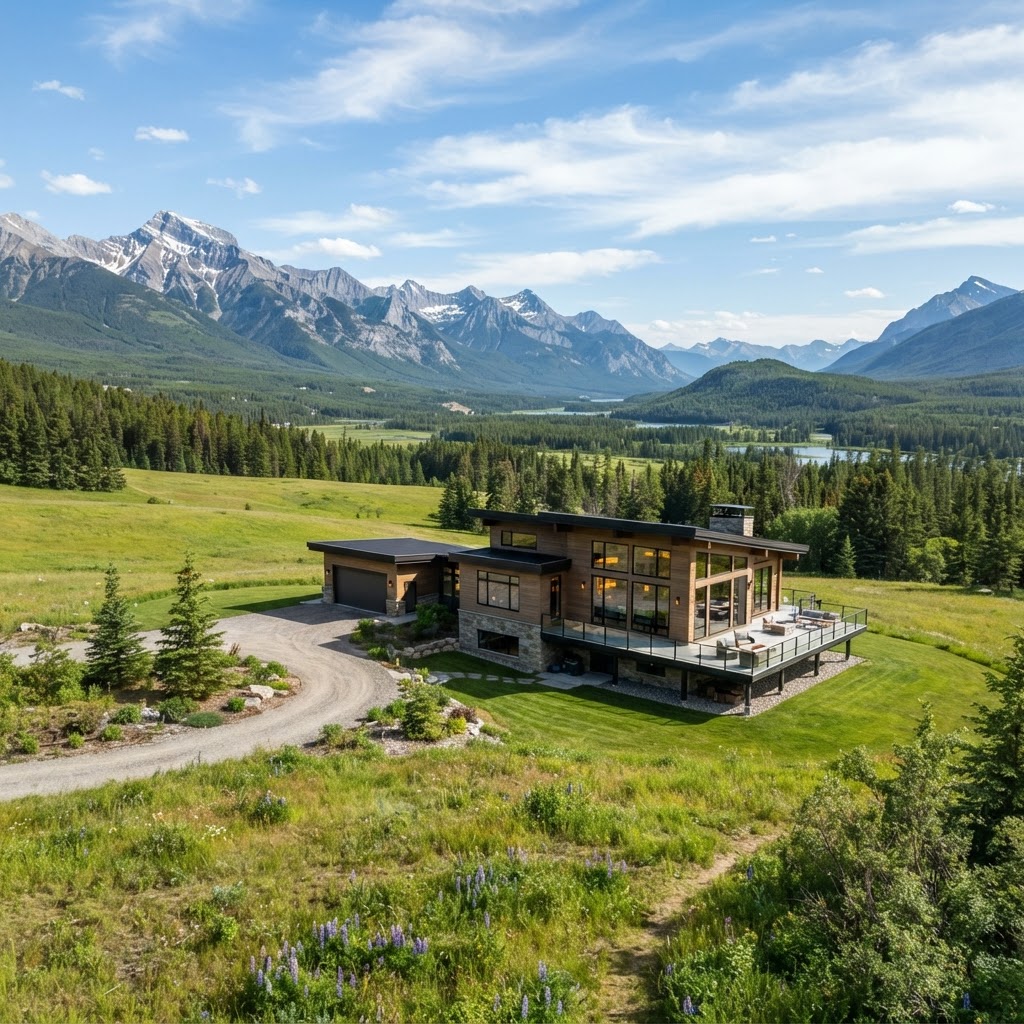
Buying Land in Canada: A Comprehensive Guide for Investors and Builders
Discover the essential steps for purchasing raw or vacant land in Canada, including financing strategies, due diligence, and development considerations. Learn how to navigate the complexities of land ownership to make an informed investment.
Understanding Land Types in Canada
Before you begin your search, it is crucial to distinguish between the two primary categories of land available in the Canadian market:
- Raw Land: This is undeveloped property in its natural state. It lacks utilities (water, electricity, sewage), road access, and infrastructure. While often cheaper, it requires significant investment to make it buildable.
- Vacant Land: This land may be partially serviced or located in areas where utilities are accessible. It has no permanent structures but is generally closer to being 'shovel-ready' than raw land.
The Reality of Crown Land
It is a common misconception that all land in Canada is available for private purchase. Approximately 89% of Canada's landmass is classified as Crown Land, which is owned by the federal or provincial governments. When searching for property, ensure you are looking at private land listings, as Crown Land is generally not for sale to the public.
Due Diligence: The Most Critical Step
Buying land is significantly different from buying a residential home. You must perform thorough due diligence to avoid costly surprises. Use our Health Check tool to assess potential risks before finalizing any offer.
1. Zoning and Permits
Check with the local municipality to confirm what you can actually build on the land. Zoning laws dictate whether the land is residential, commercial, or agricultural. Always verify if you can obtain permits for a driveway, well, or septic system.
2. Land Surveys
Never skip the survey. A professional survey defines your property boundaries and identifies potential issues like:
- Encroachments from neighbors.
- Setback conflicts.
- Shared driveway agreements.
3. Environmental Factors
Be aware of wetlands, watercourses, and coastal erosion risks. These factors can severely limit your ability to build or may require expensive environmental assessments.
Financing Your Land Purchase
Financing land is often more complex than a standard mortgage because lenders view vacant land as a higher-risk asset.
- Down Payments: Expect to provide a higher down payment, often ranging from 20% to 50%, depending on whether the land is raw or serviced.
- Loan Types: You may need to explore land loans, construction loans, or private lending.
- HELOCs: If you own other property with significant equity, a Home Equity Line of Credit (HELOC) can be a flexible way to fund a land purchase.
Use our Calculators to model your potential monthly payments and determine your budget. If you are unsure about your financial readiness, consult with our AI Advisor for personalized guidance.
Provincial Variations
Regulations vary significantly across Canada. For instance, buying land in British Columbia may involve different considerations regarding rural infrastructure compared to purchasing in Ontario or Nova Scotia. Always consult local municipal bylaws and provincial land-use policies.
Practical Tips for Success
- Budget for Development: Always set aside a 10-15% contingency fund for unexpected costs like soil testing, clearing, or utility hookups.
- Consult Experts: Work with a realtor who specializes in land and vacant lots. They understand the nuances of rural zoning and development potential.
- Engage the Community: If you have specific questions about a region, visit our Q&A Community to see what other buyers are experiencing.
For more information on the broader real estate market, explore our Buying Guides and browse our Resource Library for detailed checklists.

Related Articles
Related Questions
What should I check before buying raw land in Canada for development?
Buying raw land for development requires thorough due diligence. Here's what to check: 1. Zoning and Official Plan - Co...
00What are the best cities in Canada for real estate investment in 2024?
Top Canadian Cities for Real Estate Investment 1. Calgary, Alberta - Strong population growth - Relatively affordable...
521203Can I legally rent my basement apartment in Ontario?
Short Answer Yes, but only if it meets specific legal requirements. Requirements To legally rent a basement apartmen...
47892Is this condo reserve fund healthy? How do I evaluate?
How to Evaluate a Condo Reserve Fund Step 1: Review the Reserve Fund Study Every condo corporation in Ontario must ha...
41578