Buying Land in Canada: A Comprehensive Guide for Investors and Builders
Navigating the purchase of land in Canada requires understanding zoning, utility access, and provincial regulations. This guide breaks down the essential steps from identifying property types to closing your deal.
Understanding Canadian Land Ownership
Buying land is a significant investment that differs substantially from purchasing a pre-built home. Whether you are looking to build a custom dream home or diversify your portfolio, understanding the nuances of Canadian land is critical. Most land in Canada is held by the government as 'Crown Land' (approximately 89%), while private land is governed by provincial registries. Before you begin, use our AI Advisor to assess your specific goals.
Key Classifications of Land
When searching for property, you will encounter several classifications that dictate what you can and cannot do with the land:
- Raw Land: Property that has never been developed. It typically lacks road access, electricity, water, and sewage infrastructure.
- Vacant Land: Often serviced or partially serviced. It may have existing utility connections, making it easier to develop than raw land.
- Zoned vs. Unzoned: Zoned land falls under municipal bylaws that dictate permitted uses (e.g., residential, agricultural, commercial). Unzoned land is rarer and usually found in sparsely populated areas, though it remains subject to provincial regulations.
The Due Diligence Checklist
Before making an offer, you must conduct thorough research. A mistake here can lead to costly delays or an inability to build. Consult our Resource Library for detailed checklists.
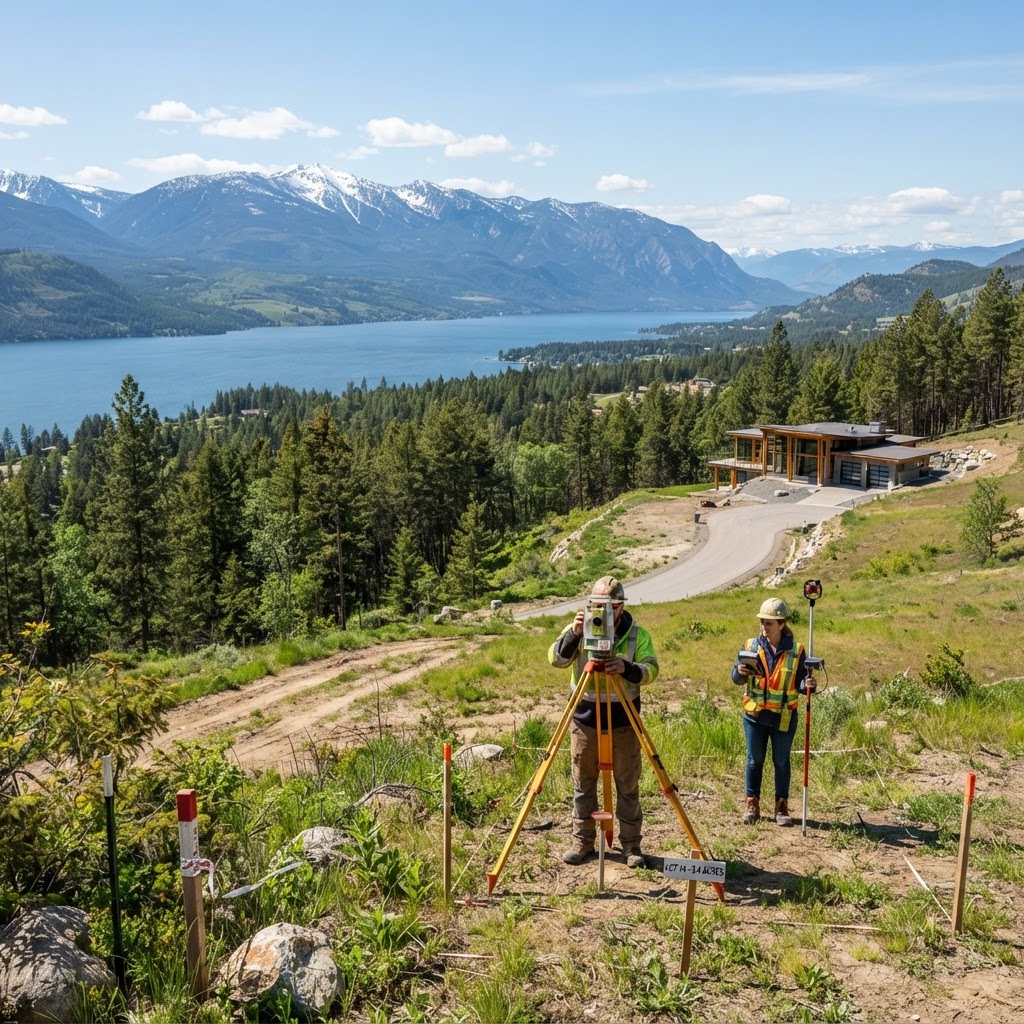
- Survey the Property: Always order a current land survey to define boundaries and identify potential encroachments.
- Check Zoning and Permitted Uses: Contact local planning departments to confirm what you are legally allowed to build. In some provinces, like Ontario, specific regulations allow for multiple residential units on certain lots.
- Utility Assessment: If the land is not connected to municipal services, you will need to investigate the feasibility of a private well and septic system. Always include a well flow rate and water quality test as a condition of your offer.
- Environmental and Hazard Checks: Ensure the land is not impacted by natural hazards, such as floodplains or unstable soil, which could restrict development.
Financing Your Land Purchase
Financing land is different from a standard residential mortgage. You may need to explore:
- Land Mortgage: Specifically designed for the purchase of the land itself.
- Construction Mortgage: A multi-stage loan that covers the land acquisition and the subsequent building process.
- Agricultural Loans: If the land is intended for farming, specialized programs may be available.
Use our Calculators to estimate your potential monthly costs and land transfer taxes.
Provincial Variations and Legal Considerations
Regulations vary significantly by province. For instance, Ontario has specific legislation like the Planning Act and the Ontario Land Tribunal Act that govern development and subdivision. Always work with a real estate lawyer who specializes in land transactions to navigate title insurance, registration fees, and local tax implications. If you have specific legal or procedural questions, visit our Q&A Community to see what others are asking.
Professional Partners
Do not attempt to navigate a land purchase alone. Build a team of experts:
- Land-focused Real Estate Agent: Someone who understands rural or development-specific markets.
- Real Estate Lawyer: Essential for title searches and closing.
- Surveyor: To verify the physical footprint of your investment.
- Well and Septic Professionals: Crucial for off-grid or rural properties.
Before you commit to a purchase, perform a Health Check on your financial readiness and project scope. For more information on the broader real estate market, explore our Buying Guides.
Final Tips for Success
- Confirm Timelines: Development approvals can take months or even years. Factor this into your budget.
- Understand Taxes: Property taxes are based on assessed value, which can change once you improve the land.
- Stay Informed: Regulations change frequently. Keep up to date with local municipal planning notices.
Related Articles
Related Questions
What should I check before buying raw land in Canada for development?
Buying raw land for development requires thorough due diligence. Here's what to check: 1. Zoning and Official Plan - Co...
00What are the best cities in Canada for real estate investment in 2024?
Top Canadian Cities for Real Estate Investment 1. Calgary, Alberta - Strong population growth - Relatively affordable...
521203How to Calculate Rental Property Cash Flow in Canada?
Rental property cash flow equals total monthly rental income minus all monthly expenses: mortgage payment, property taxe...
30What is a good cap rate for commercial real estate in Canada?
Cap rates for commercial real estate in Canada vary by property type and location: Industrial properties: 4.5% - 6.5% i...
00