Mastering Canadian Commercial Real Estate: A Strategic Investor Guide
Navigate the complexities of the Canadian commercial market with this deep dive into asset classes, valuation methods, and provincial regulations. Learn how to build a robust portfolio using professional tools and local insights.
Introduction to Canadian Commercial Real Estate (CRE)
Commercial Real Estate (CRE) in Canada represents a diverse and sophisticated asset class that extends far beyond simple residential rentals. Unlike residential properties, which are often driven by emotional factors and basic shelter needs, commercial assets are valued primarily on their ability to generate income. For Canadian investors, CRE offers a hedge against inflation and a path to significant wealth preservation.
Investing in the Canadian market requires an understanding of diverse geographic landscapes—from the high-density tech hubs of Kitchener-Waterloo to the logistical arteries of the Greater Calgary Area. Before diving in, it is essential to utilize an AI Advisor to analyze specific market sentiments and ensure your strategy aligns with current economic indicators like BoC interest rate cycles.
The Four Pillars: Core Commercial Asset Classes
In the Canadian context, commercial real estate is generally categorized into four primary sectors, each with its own risk profile and management requirements:
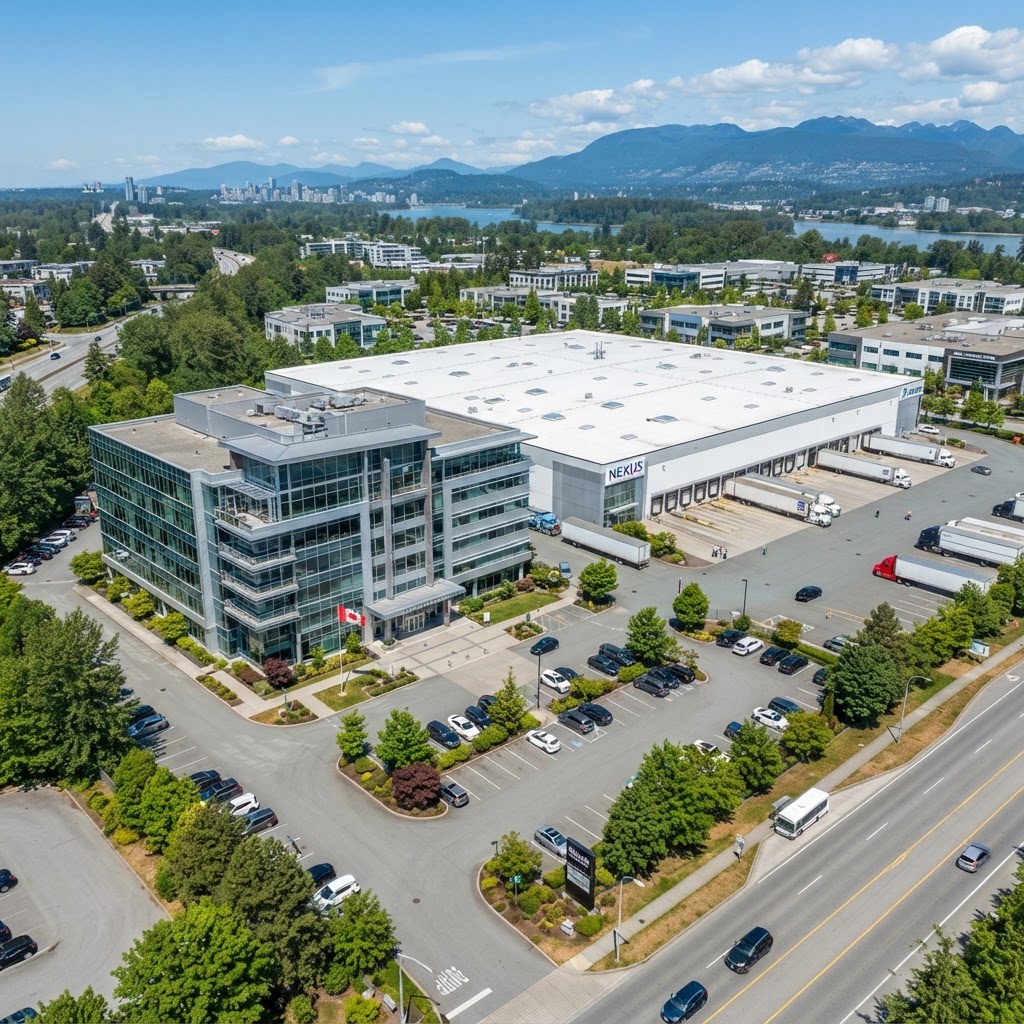
- Industrial: Often considered the "darling" of the current Canadian market due to the rise of e-commerce. This includes warehouses, distribution centers, and manufacturing plants. Low vacancy rates in cities like Vancouver and Toronto have driven significant rent growth here.
- Retail: This ranges from small "strip malls" in suburban neighborhoods to massive regional shopping centers. The trend in Canada is moving toward "service-based retail" (grocery-anchored, pharmacies, and medical) which proves more resilient to online shopping trends.
- Office: Currently undergoing a transformation due to hybrid work models. Modern, Class A office spaces in downtown cores like Montreal and Toronto remain in demand, while older Class B and C assets are being eyed for residential conversions.
- Multi-Family: In Canada, residential buildings with five or more units are classified as commercial. Given the national housing shortage, this is often viewed as the lowest-risk entry point for new commercial investors. You can compare multi-family financing versus smaller residential builds using our Calculators.
Valuation Methods: How Value is Created
Residential real estate is valued using "comparable sales." Commercial real estate, however, is valued as a business. The most common metric is the Capitalization Rate (Cap Rate).
The Formula:
Cap Rate = Net Operating Income (NOI) / Purchase Price
In Canada, cap rates vary significantly by province. A stabilized multi-family asset in Toronto might trade at a 3.5% cap rate, while a similar asset in Edmonton might trade at 5.5% to 6%, reflecting the different risk and growth profiles of those markets. To run these numbers for a prospective deal, visit our Calculators section.
Net Operating Income (NOI)
NOI is the bedrock of CRE valuation. It is calculated by taking the Total Potential Income, subtracting Vacancy/Credit Loss, and subtracting all Operating Expenses (taxes, insurance, maintenance, utilities). It does not include mortgage payments (debt service).
Real estate is governed provincially in Canada, and the rules change as you cross borders. Understanding these nuances is critical for national investors.
- Ontario: Investors must account for the Land Transfer Tax (LTT), and if buying in Toronto, an additional Municipal Land Transfer Tax (MLTT). This can significantly increase your closing costs.
- British Columbia: BC has seen various iterations of speculation and vacancy taxes. While often aimed at residential, they can impact mixed-use commercial developments.
- Quebec: The legal system is based on Civil Law (the Civil Code of Quebec), unlike the Common Law systems in the rest of Canada. This affects how leases are structured and how title is held. It is highly recommended to engage the Q&A Community to find regional experts familiar with Quebecois real estate law.
- Alberta: The absence of a provincial sales tax and generally lower land transfer fees makes Alberta an attractive environment for industrial and logistics players.
The Importance of the Lease Structure
In residential real estate, leases are fairly standard. In CRE, the lease structure determines who pays the bills. The most common types in Canada are:
- Triple Net (NNN): The tenant pays a base rent plus their proportionate share of property taxes, insurance, and maintenance (often called TMI or CAM). This is preferred by passive investors.
- Gross Lease: The tenant pays one flat fee, and the landlord covers all operating expenses. This carries more risk for the landlord if property taxes or utility costs spike.
- Percentage Lease: Common in retail, where the tenant pays a base rent plus a percentage of their gross sales.
Due Diligence and Risk Management
Commercial due diligence is significantly more rigorous than residential. A typical checklist includes:
- Environmental Site Assessment (Phase I & II): Essential for industrial properties to ensure no soil contamination from previous uses. Most Canadian lenders will not finance a deal without a clean Phase I ESA.
- Property Condition Assessment (PCA): A deep dive into the building’s structural integrity, HVAC, roofing, and electrical systems.
- Zoning and Permitted Uses: Verify that the current tenant's business is actually allowed under municipal bylaws.
- Estoppel Certificates: Legal documents signed by tenants confirming the terms of their lease, ensuring the seller isn't hiding disputes or rent arrears.
Before waiving conditions, run a Health Check on your investment thesis to identify potential blind spots in your due diligence process.
Practical Tips for the Aspiring Commercial Investor
- Build Your "Power Team": You need a commercial broker (not a residential agent), a specialized real estate lawyer, an environmental consultant, and a mortgage broker who has relationships with Tier 1 and Tier 2 Canadian lenders.
- Focus on the WALT: Weighted Average Lease Term. A building with a WALT of 7 years is much safer than one where all leases expire in 18 months.
- Leverage the Library: For deeper dives into specific topics like "CMHC MLI Select" financing for multi-family, browse our Resource Library.
- Start with What You Know: If you work in the tech sector, you might understand office needs better than industrial logistics. Play to your strengths.
Final Thoughts
Commercial real estate is a team sport. Whether you are looking at your first small retail plaza or a large industrial warehouse, the data is your best friend. For those just starting, we recommend reviewing our Buying Guides to understand the foundational elements of property acquisition in Canada.
Ready to analyze a specific deal? Ask our AI Advisor for a breakdown of current market cap rates in your target city, or join the conversation in our Q&A Community to learn from those who have already navigated the complexities of the Canadian commercial landscape.

Related Articles



Related Questions
What is a good cap rate for commercial real estate in Canada?
Cap rates for commercial real estate in Canada vary by property type and location: Industrial properties: 4.5% - 6.5% i...
00What are the best cities in Canada for real estate investment in 2024?
Top Canadian Cities for Real Estate Investment 1. Calgary, Alberta - Strong population growth - Relatively affordable...
521203Can I legally rent my basement apartment in Ontario?
Short Answer Yes, but only if it meets specific legal requirements. Requirements To legally rent a basement apartmen...
47892Is this condo reserve fund healthy? How do I evaluate?
How to Evaluate a Condo Reserve Fund Step 1: Review the Reserve Fund Study Every condo corporation in Ontario must ha...
41578