Real Estate Investing
Real estate investing in Canada includes rental properties, house flipping, pre-construction assignments, and commercial properties. Key metrics to evaluate deals include cap rate (typically 4–8% depending on market), cash flow, cash-on-cash return, and total ROI.
Real estate investing in Canada offers multiple paths to wealth — from rental properties to commercial buildings to pre-construction assignments. KnowYourProperty provides the calculators, guides, and AI-powered analysis you need to evaluate deals and build a profitable investment portfolio.
Key Topics
Return on Investment (ROI)
Learn how to calculate and compare real estate ROI across different property types, including cash-on-cash return and total return on investment.
Cap Rates
Understand capitalization rates — the universal metric for comparing income properties — and learn what cap rates are typical in different Canadian markets.
Cash Flow Analysis
Master cash flow analysis for investment properties, including operating expenses, vacancy rates, debt service coverage, and positive vs. negative cash flow.
Investment Property Analysis
Learn the step-by-step process of analyzing a potential investment property, from initial screening to detailed financial modeling.
Canadian Investment Strategies
Explore Canadian-specific investment strategies including the Smith Maneuver, house hacking, multi-family properties, and pre-construction assignments.
Portfolio Growth
Discover strategies for scaling your real estate portfolio, including leveraging equity, refinancing, and transitioning from residential to commercial investments.
Your Ad Here
Full-width content area placement
Popular Investment Guides

Buying Commercial Real Estate in Canada: The Ultimate Guide
Transitioning from residential to commercial real estate requires a shift in strategy, financing, and due diligence. This guide covers everything Canadian business owners and investors need to know about acquiring business property, from zoning laws to provincial regulations.

Condo Ownership in Canada: A Complete Guide
Everything condo buyers and owners need to know about fees, reserve funds, and governance.
Condo Status Certificate: What to Look For Before Buying
How to review a condo status certificate and what red flags to watch for before buying.
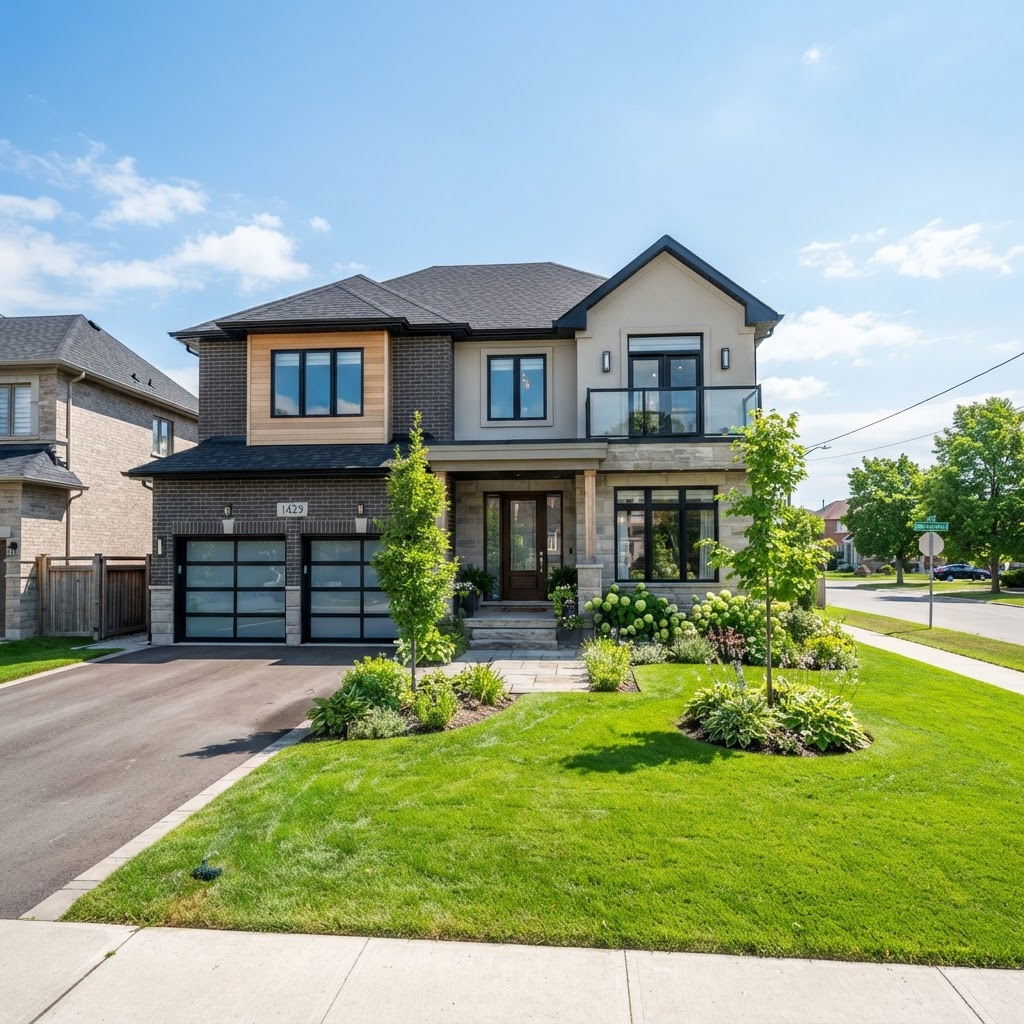
The Ultimate Guide to Owning a Detached House in Canada
A comprehensive look at purchasing, maintaining, and investing in detached houses across Canada. This guide covers provincial market variations, seasonal maintenance, and financial strategies for homeowners.

Pre-Construction Investment Strategies for Canadian Investors
Investment strategies and risk management for pre-construction property investors.

Condo Board Governance: What Owners Need to Know
Understanding condo board roles, owner rights, and how to get involved in governance.
Popular Questions
Should I refinance my mortgage in 2024?
## When Refinancing Makes Sense Refinancing can be beneficial if: ### 1. Interest Rate Savings - Your current rate is significantly higher than available rates - A rule of thumb: refinance if you can reduce your rate by at least 0.5-1% - Calculate the break-even point (closing costs ÷ monthly savings) ### 2. Debt Consolidation - Rolling high-interest debt (credit cards, lines of credit) into your mortgage - This can reduce overall interest costs significantly - Be careful not to accumulate new debt ### 3. Accessing Home Equity - Home renovations that add value - Investment opportunities - Education costs ## Costs to Consider - **Mortgage penalty**: Can be 3 months' interest or the Interest Rate Differential (IRD), whichever is greater - **Appraisal fees**: $300-$500 - **Legal fees**: $800-$1,500 - **Discharge fee**: $200-$400 ## When to Wait - If your penalty is very high (especially with fixed-rate mortgages) - If you're close to your renewal date - If you plan to move within 2-3 years ## Tip Contact a mortgage broker to compare options across multiple lenders. They can calculate whether refinancing makes financial sense for your specific situation.
423 views · 28 upvotesFixed vs. Variable Mortgage: Which Is Better in Canada?
Should I choose a fixed or variable rate mortgage in Canada?
0 views · 3 upvotesWhat Is a Good Cap Rate in Canada?
What cap rate is considered good for investment property in Canada?
0 views · 3 upvotesHow Much Down Payment Do I Need in Canada?
What is the minimum down payment required to buy a home in Canada?
0 views · 4 upvotesRelated Resources
Rental Property Cash Flow Tracker
A monthly income and expense tracking log for rental property investors to monitor cash flow and calculate cap rate.
logMortgage Renewal Comparison Worksheet
A side-by-side worksheet to compare mortgage renewal offers from multiple lenders and negotiate the best rate.
templateRental Property Financial Analysis Spreadsheet
Analyze potential rental property investments with this detailed financial model including cash flow projections.
templateFrequently Asked Questions
Cap rates in Canada vary by market and property type. Residential cap rates typically range from 3–5% in Toronto/Vancouver to 5–8% in Calgary, Edmonton, and Atlantic Canada. Commercial properties can offer 6–10%. A 'good' cap rate depends on your investment goals and risk tolerance.
Your Ad Here
Full-width content area placement
Have Questions About Real Estate Investing?
Get instant, AI-powered answers tailored to Canadian real estate — ask anything about real estate investing.
Ask AI Advisor