E-Commerce and Industrial Real Estate in Canada
How e-commerce is driving industrial real estate demand and investment opportunities.
Introduction
E-commerce has transformed the Canadian industrial real estate market. This guide covers the impact and investment opportunities.
E-Commerce Impact on Industrial Real Estate
Increased Demand
- Last-mile delivery: Need for urban logistics space
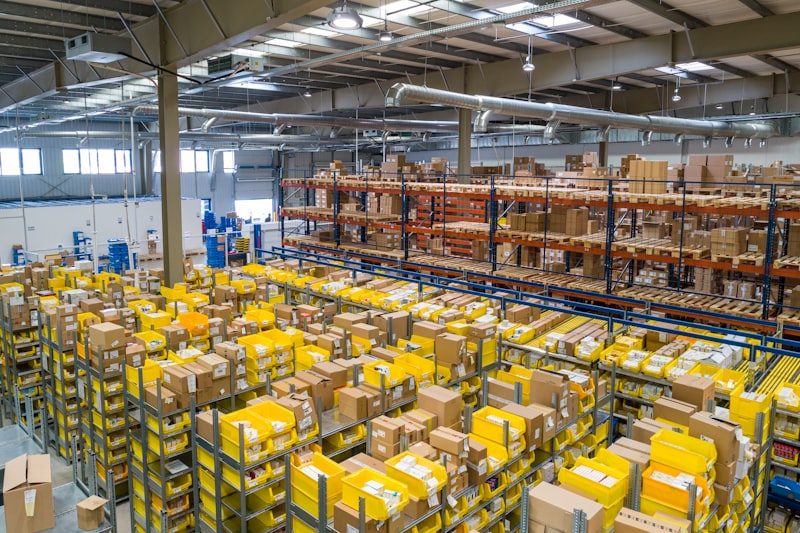
- Fulfillment centers: Large distribution warehouses
- Returns processing: Dedicated space for returns
- Cold chain: Grocery and meal delivery storage
Changing Building Requirements
- Higher clear height: 32+ ft for vertical storage
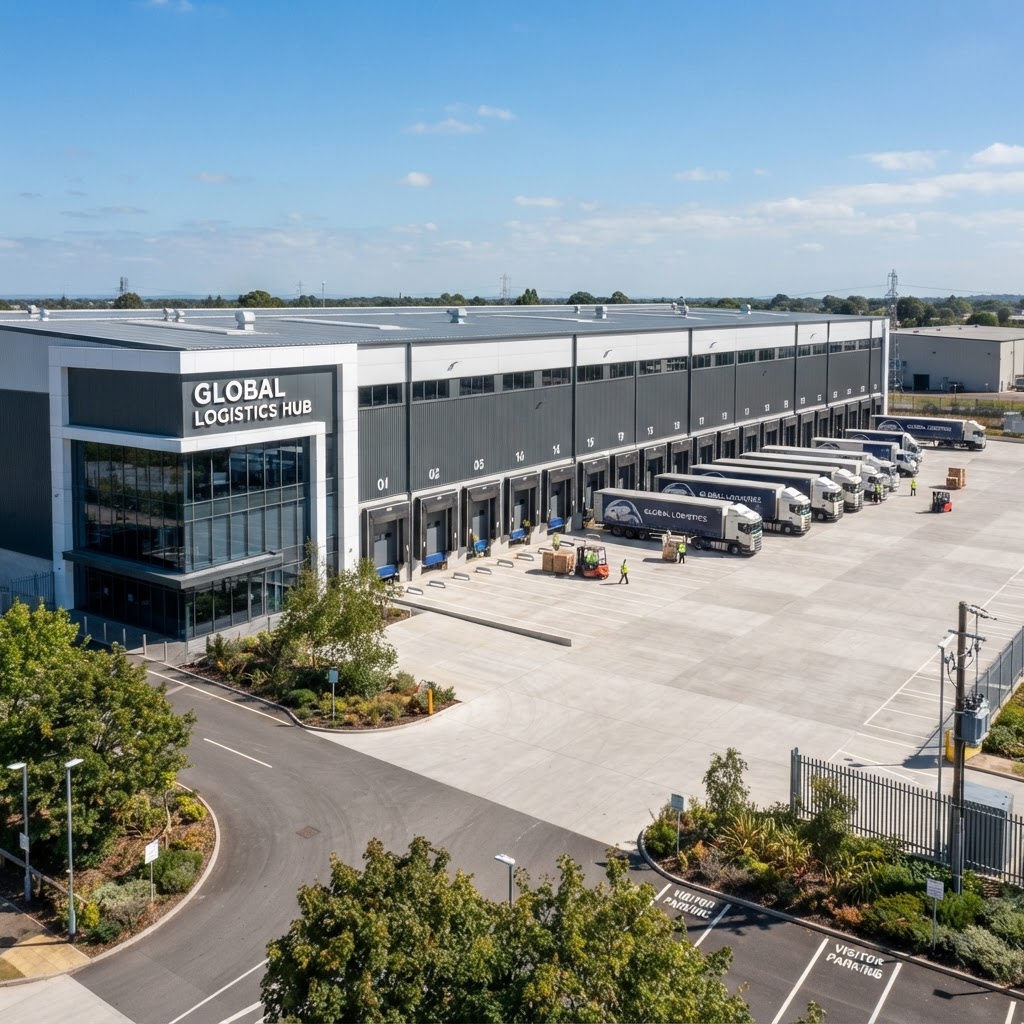
- More loading docks: Higher throughput
- Larger truck courts: More trailer parking
- Advanced technology: Automation and robotics
- Power capacity: For automation and climate control
Types of E-Commerce Industrial Properties
Fulfillment Centers
- Large (100,000-1,000,000+ sqft)
- High clear height (32+ ft)
- Extensive dock loading
- Advanced automation systems
- Major tenants: Amazon, Walmart, Shopify partners
Last-Mile Delivery
- Smaller (20,000-100,000 sqft)
- Urban or suburban locations
- Close to population centers
- Smaller delivery vehicles
- Quick delivery promise
Cold Storage
- Refrigerated/frozen warehousing
- Specialized building systems
- Higher rents and construction costs
- Growing demand from grocery delivery
Returns Centers
- Processing returned items
- Smaller than fulfillment centers
- Labor-intensive operations
Investment Opportunities
Why Invest in E-Commerce Industrial?
- Strong demand: E-commerce continues growing
- Long leases: 10-15+ year terms for large tenants
- Credit tenants: National/international companies
- Rent growth: Low vacancy drives rent increases
- Inflation protection: NNN leases pass through costs
Investment Strategies
1. Single-Tenant Distribution Center
- One tenant (e.g., Amazon, FedEx)
- Long-term lease (10-15+ years)
- NNN lease structure
- Lower management intensity
- Use our Cap Rate Calculator
2. Multi-Tenant Industrial Park
- Multiple smaller tenants
- Diversified income stream
- Higher management intensity
- Potentially higher returns
3. Last-Mile Properties
- Urban infill locations
- Higher price per sqft
- Growing demand from delivery companies
- Limited supply drives value
4. Development
- Build new e-commerce space
- Build-to-suit or speculative
- Higher returns but higher risk
- Use our Land Development Calculator
Key Market Drivers
E-Commerce Growth
- Canadian e-commerce: $80+ billion annually
- Growing 10-15% per year
- Driven by convenience and fast delivery
Population Growth
- Immigration drives demand
- Urbanization increases last-mile needs
- Population density drives delivery efficiency
Supply Chain Restructuring
- Nearshoring from Asia
- Inventory buffers (post-COVID)
- Faster delivery expectations
Market Analysis
Key Metrics to Track
- Vacancy rate: Lower = stronger market (2-5% is tight)
- Net absorption: Space being leased vs vacated
- Rental rate growth: Year-over-year increases
- Construction pipeline: New supply coming online
- Cap rates: Lower = higher prices (4-6% is tight)
Provincial Markets
Ontario (GTA)
- Largest industrial market
- Lowest vacancy in Canada (1-3%)
- Highest rents
- Strongest demand
- Key areas: Mississauga, Brampton, Vaughan
British Columbia (Metro Vancouver)
- Very tight market (1-2% vacancy)
- Port-related logistics demand
- Limited new supply
- Key areas: Richmond, Surrey, Delta
Alberta
- More balanced market
- Energy sector sensitivity
- Lower prices, higher cap rates
- Better entry point for investors
Building Requirements for E-Commerce
Essential Features
- Clear height: 32+ ft preferred
- Column spacing: 50+ ft clear span
- Loading docks: 1 per 5,000-8,000 sqft
- Truck court: 120+ ft depth
- Power: 3-phase, 2000+ amps
- Floor load: 250+ psf
- Automation-ready: Fiber, power, floor flatness
- Trailer parking: On-site storage
Nice-to-Have Features
- ESFR sprinklers: Early suppression fast response
- LED lighting: Energy efficient
- Solar panels: Reduce operating costs
- EV charging: For electric delivery vehicles
- Cross-dock design: For high throughput
Risks and Challenges
1. Tenant Risk
- E-commerce companies may fail or downsize
- Large tenant vacancy = major income loss
- Diversify with multiple tenants when possible
2. Technology Risk
- Automation may change building needs
- Buildings may become obsolete
- Need for power and data infrastructure
3. Market Risk
- E-commerce growth may slow
- New supply may flood the market
- Economic downturns reduce demand
4. Location Risk
- Urban locations may become less valuable
- Transportation infrastructure changes
- Zoning changes
Summary
E-commerce is driving strong demand for industrial real estate in Canada. Focus on properties with modern specifications and strong locations. For financial analysis, use our Calculators: Cap Rate, Cash Flow, Commercial Mortgage. The AI Advisor can answer investment questions.
This guide is for educational purposes only.
Related Articles

Related Questions
What are the best cities in Canada for real estate investment in 2024?
Top Canadian Cities for Real Estate Investment 1. Calgary, Alberta - Strong population growth - Relatively affordable...
521203How to Calculate Rental Property Cash Flow in Canada?
Rental property cash flow equals total monthly rental income minus all monthly expenses: mortgage payment, property taxe...
30What is a good cap rate for commercial real estate in Canada?
Cap rates for commercial real estate in Canada vary by property type and location: Industrial properties: 4.5% - 6.5% i...
00Can I legally rent my basement apartment in Ontario?
Short Answer Yes, but only if it meets specific legal requirements. Requirements To legally rent a basement apartmen...
47892