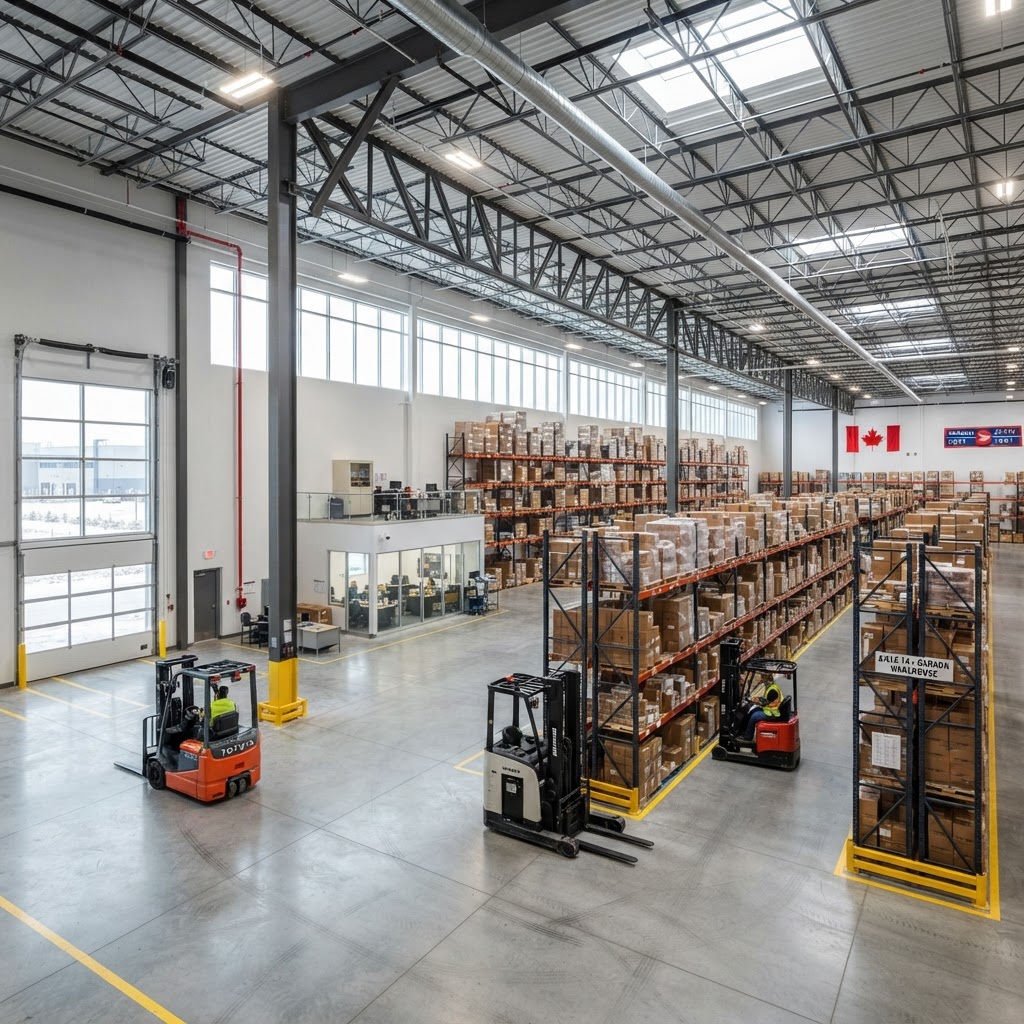
Investing in Canadian Industrial Real Estate: A 2026 Market Guide
Navigate the evolving Canadian industrial real estate landscape with our comprehensive guide on market trends, investment strategies, and regional outlooks. Learn how to identify opportunities in a stabilizing market while managing risks associated with trade and supply chain shifts.
Understanding the Canadian Industrial Market
The Canadian industrial real estate sector is currently undergoing a period of stabilization. After years of unprecedented growth and tightening, the market is moving toward an inflection point in 2026. Whether you are a seasoned investor or a business owner looking for warehouse space, understanding these shifts is critical for success.
Current Market Trends
- Stabilization and Recovery: National availability rates are beginning to plateau, and asking rents are finding a floor. Net leasing activity is expected to return to historical norms as new supply tapers off.
- Small and Mid-Bay Preference: In the current macroeconomic environment, small to mid-bay properties are outperforming large-bay facilities. These smaller units offer greater flexibility for tenants and are easier to lease in uncertain times.
- Trade Sensitivity: The industrial sector remains highly sensitive to North American trade agreements. Investors should monitor policy reviews closely, as these can impact manufacturing and logistics demand.
Key Factors for Industrial Success
When evaluating industrial properties, consider the following technical requirements:
- Clear Heights: Modern logistics require higher ceilings to accommodate vertical racking systems.
- Power Capacity: With the rise of automation and data centers, ensuring a property has sufficient electrical infrastructure is non-negotiable.
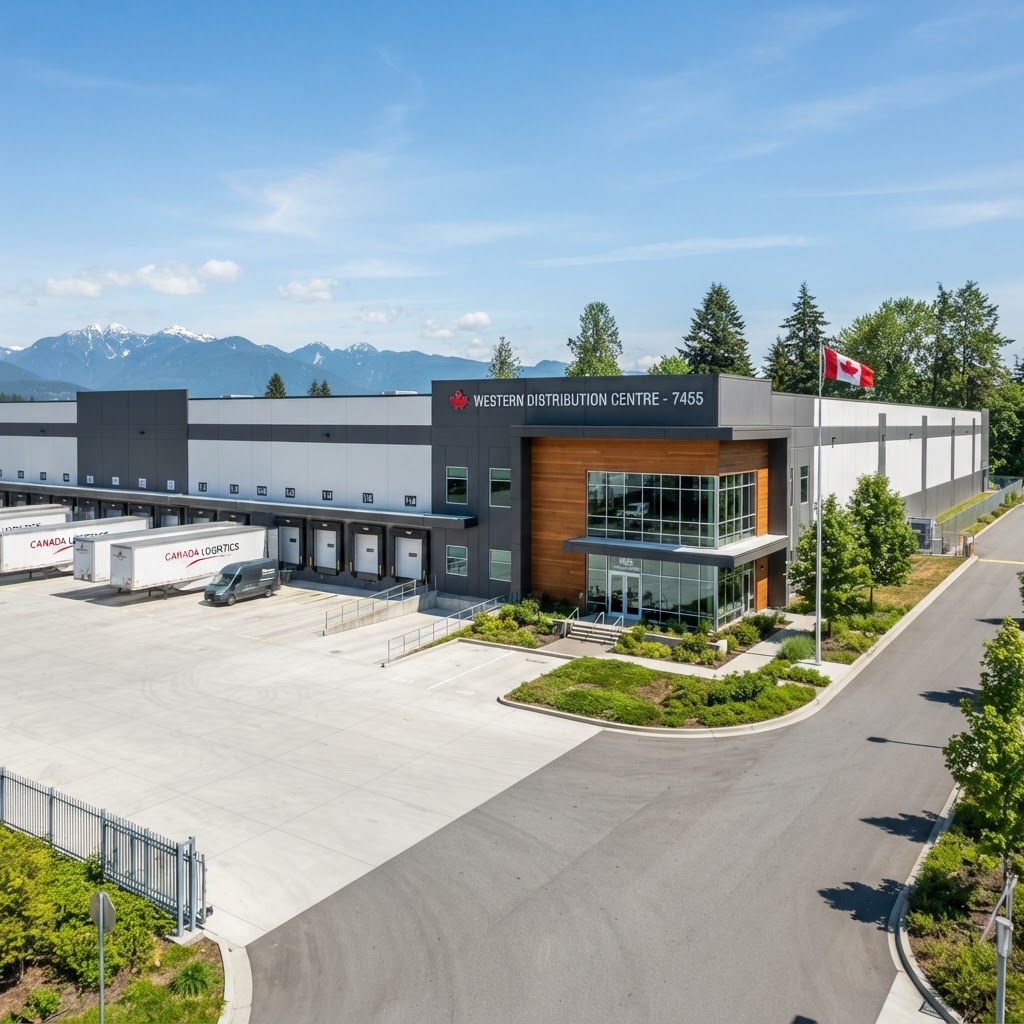
- Loading Facilities: Proximity to major transportation arteries and the number of dock-level versus grade-level doors will dictate your operational efficiency.
Regional Outlooks
Industrial performance varies significantly across Canada. For instance, Calgary has seen robust tenant demand, with vacancy rates tightening as pre-leasing activity remains strong. Conversely, markets in the Greater Golden Horseshoe are navigating a temporary oversupply, which has placed nominal downward pressure on lease rates. Before making a move, use our AI Advisor to analyze specific regional data.
Investment Strategies
If you are looking to acquire industrial assets, consider these steps:
- Conduct a Health Check: Before committing to a purchase, perform a thorough Health Check on the property to identify potential maintenance liabilities or zoning restrictions.
- Financial Modeling: Use our Calculators to project your return on investment, factoring in current cap rates and potential rent growth trajectories.
- Due Diligence: Always verify the environmental history of the site, especially for properties previously used for manufacturing.
While the market is resilient, investors must be prepared for headwinds. Rising interest rates and trade uncertainty can lead to a 'pens-down' approach among institutional investors. However, this often creates opportunities for private investors who can move quickly. If you have questions about specific market conditions, join our Q&A Community to connect with other professionals.
Practical Tips for Tenants and Buyers
- Start Early: In tight markets like Calgary or Ottawa, quality space is absorbed quickly. Begin your search at least 6-9 months before your lease expiry.
- Consider Design-Build: If existing inventory does not meet your needs, explore design-build solutions. Federal tax incentives for manufacturing facilities may help offset construction costs.
- Leverage Resources: Explore our Resource Library for templates on lease agreements and industrial property checklists.
For more information on broader property types, check out our Buying Guides to ensure your industrial acquisition aligns with your overall portfolio strategy.

Related Articles
Related Questions
What are the best cities in Canada for real estate investment in 2024?
Top Canadian Cities for Real Estate Investment 1. Calgary, Alberta - Strong population growth - Relatively affordable...
521203How to Calculate Rental Property Cash Flow in Canada?
Rental property cash flow equals total monthly rental income minus all monthly expenses: mortgage payment, property taxe...
30What is a good cap rate for commercial real estate in Canada?
Cap rates for commercial real estate in Canada vary by property type and location: Industrial properties: 4.5% - 6.5% i...
00Can I legally rent my basement apartment in Ontario?
Short Answer Yes, but only if it meets specific legal requirements. Requirements To legally rent a basement apartmen...
47892