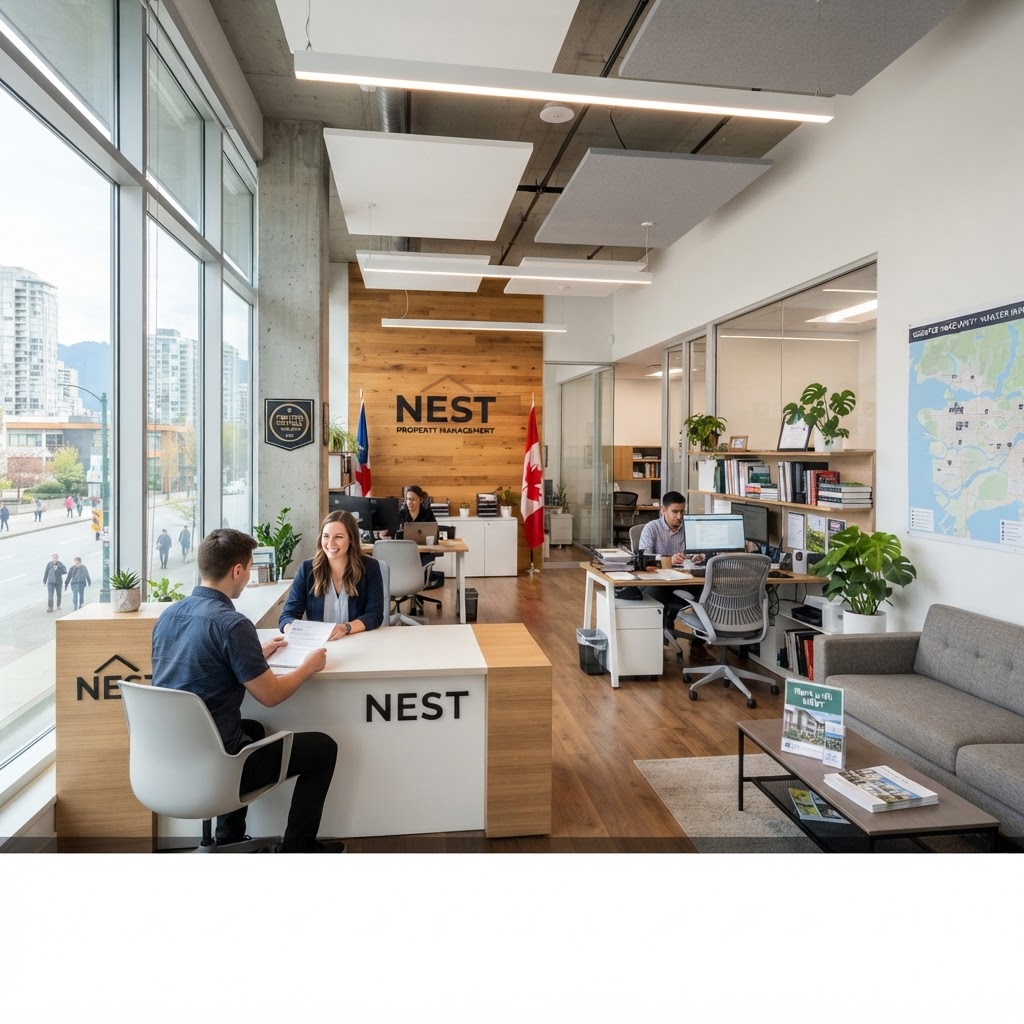
Mastering Property Management in Canada: A Comprehensive Guide
Navigate the complexities of Canadian rental property management with this essential guide covering legal compliance, tenant relations, and operational best practices. Learn how to protect your investment and streamline your workflow effectively.
Introduction to Canadian Property Management
Managing rental property in Canada is a multifaceted responsibility that balances financial goals with strict legal obligations. Whether you are a DIY landlord managing a single condo or an investor overseeing a multi-unit portfolio, success depends on your ability to navigate provincial regulations, maintain your asset, and foster positive tenant relationships. If you are just starting your journey, consider using our AI Advisor to help clarify your specific management strategy.
Understanding the Legal Landscape
Canada’s rental laws are primarily provincial, meaning the rules governing evictions, rent increases, and lease agreements vary significantly between regions. Generally, the legal framework is considered slightly pro-tenant, focusing on housing stability and preventing displacement.
Key Legal Considerations:
- Lease Agreements: Always use a standard lease form where required by your province. Ensure all terms comply with local residential tenancy acts.
- Eviction Protocols: Eviction is a legal process, not a personal choice. You must have valid grounds, such as non-payment of rent or substantial property damage, and follow the specific dispute resolution process mandated by your province.
- Privacy Laws: You are responsible for protecting sensitive tenant information. Ensure your data collection practices comply with federal and provincial privacy legislation.
For help understanding how these laws impact your specific situation, visit our Q&A Community to see how other landlords handle common disputes.
Core Responsibilities of a Landlord
Effective property management requires a proactive approach to daily operations.
- Tenant Screening: A rigorous screening process is your best defense against future issues. Verify income, check references, and conduct credit checks where permitted.
- Maintenance and Repairs: You are legally obligated to provide a safe, habitable environment. Establish a network of reliable contractors for emergency repairs and routine maintenance.
- Financial Management: Keep meticulous records of all income and expenses. Many maintenance and management costs are tax-deductible, but you must have the documentation to prove them. Use our Calculators to estimate your potential cash flow and tax implications.
- Communication: Clear, professional communication prevents misunderstandings. Document all interactions regarding repairs or lease changes in writing.
DIY vs. Professional Management
Deciding whether to manage your property yourself or hire a professional depends on your time, expertise, and portfolio size.
- Self-Management: Offers direct control and saves on management fees but requires a significant time commitment and a steep learning curve regarding local bylaws.
- Professional Management: A property management company handles leasing, maintenance, and compliance. This is often the preferred route for investors who want to scale their portfolio without the day-to-day operational burden.
Before making a decision, perform a Health Check on your current rental operations to see if you are meeting industry standards.
Leveraging Technology
Modern property management is increasingly digital. Utilizing property management software can help you:
- Automate rent collection and late fee tracking.
- Store digital copies of lease agreements and inspection reports.
- Manage maintenance requests and vendor invoices in one centralized dashboard.
Conclusion
Successful property management is about protecting your asset while providing a quality living experience for your tenants. By staying informed on provincial regulations and utilizing the right tools, you can maximize your returns and minimize stress. For more in-depth resources, explore our Resource Library or check out our Buying Guides if you are looking to expand your portfolio.
Disclaimer: This guide is for educational purposes only. Always consult with local legal professionals regarding specific tenancy issues in your jurisdiction.
Related Articles



Related Questions
How much should I budget for annual home repairs?
The 1% Rule A widely-used guideline is to budget 1-2% of your home's value annually for maintenance and repairs. Exa...
35654What are the best cities in Canada for real estate investment in 2024?
Top Canadian Cities for Real Estate Investment 1. Calgary, Alberta - Strong population growth - Relatively affordable...
521203Can I legally rent my basement apartment in Ontario?
Short Answer Yes, but only if it meets specific legal requirements. Requirements To legally rent a basement apartmen...
47892Is this condo reserve fund healthy? How do I evaluate?
How to Evaluate a Condo Reserve Fund Step 1: Review the Reserve Fund Study Every condo corporation in Ontario must ha...
41578