Rental Properties & Landlords
Being a landlord in Canada requires understanding provincial tenancy laws, screening tenants properly, maintaining the property to legal standards, collecting rent, and managing expenses. Landlords must comply with the Residential Tenancies Act in their province.
Being a landlord in Canada comes with significant responsibilities and opportunities. KnowYourProperty provides comprehensive guides on rental property management, cash flow analysis, landlord-tenant laws, and investment calculators to help you run a profitable rental business.
Key Topics
Rental Property Cash Flow
Learn how to calculate and optimize rental property cash flow, including rent collection, vacancy rates, and expense management strategies.
Landlord Expenses
Understand all the costs of being a landlord — mortgage, property taxes, insurance, maintenance, property management fees, and capital reserves.
Screening Tenants
Learn best practices for tenant screening in Canada, including credit checks, reference verification, and compliance with provincial human rights laws.
Leases & Agreements
Understand residential tenancy agreements, lease terms, rent increase rules, and eviction procedures that vary by province in Canada.
Property Management
Explore self-management vs. hiring a property management company, and learn the day-to-day tasks required to maintain a rental property.
Rental Investing
Discover strategies for building a rental property portfolio, including house hacking, multi-unit properties, and analyzing potential investment properties.
Rental & Landlord Guides
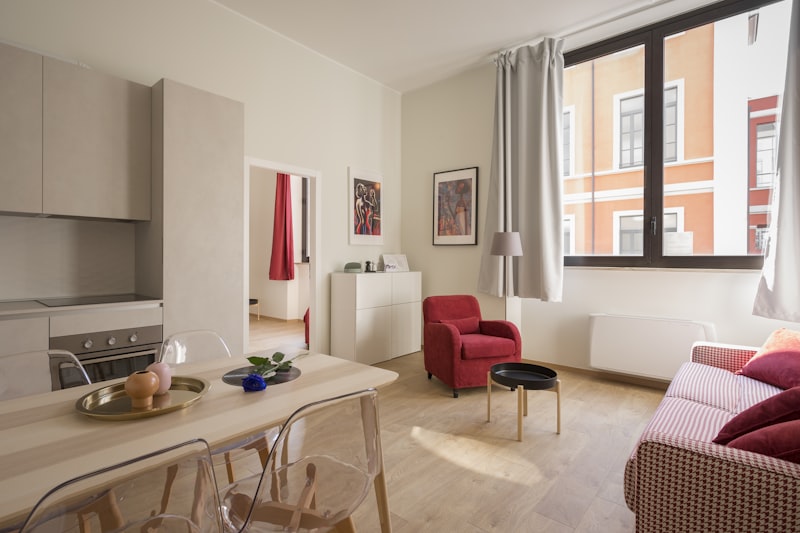
Renting Your First Apartment: A Complete Guide
Everything first-time renters need to know about finding, securing, and living in a rental.

Landlord Responsibilities in Canada
Legal obligations, maintenance duties, and best practices for Canadian landlords.
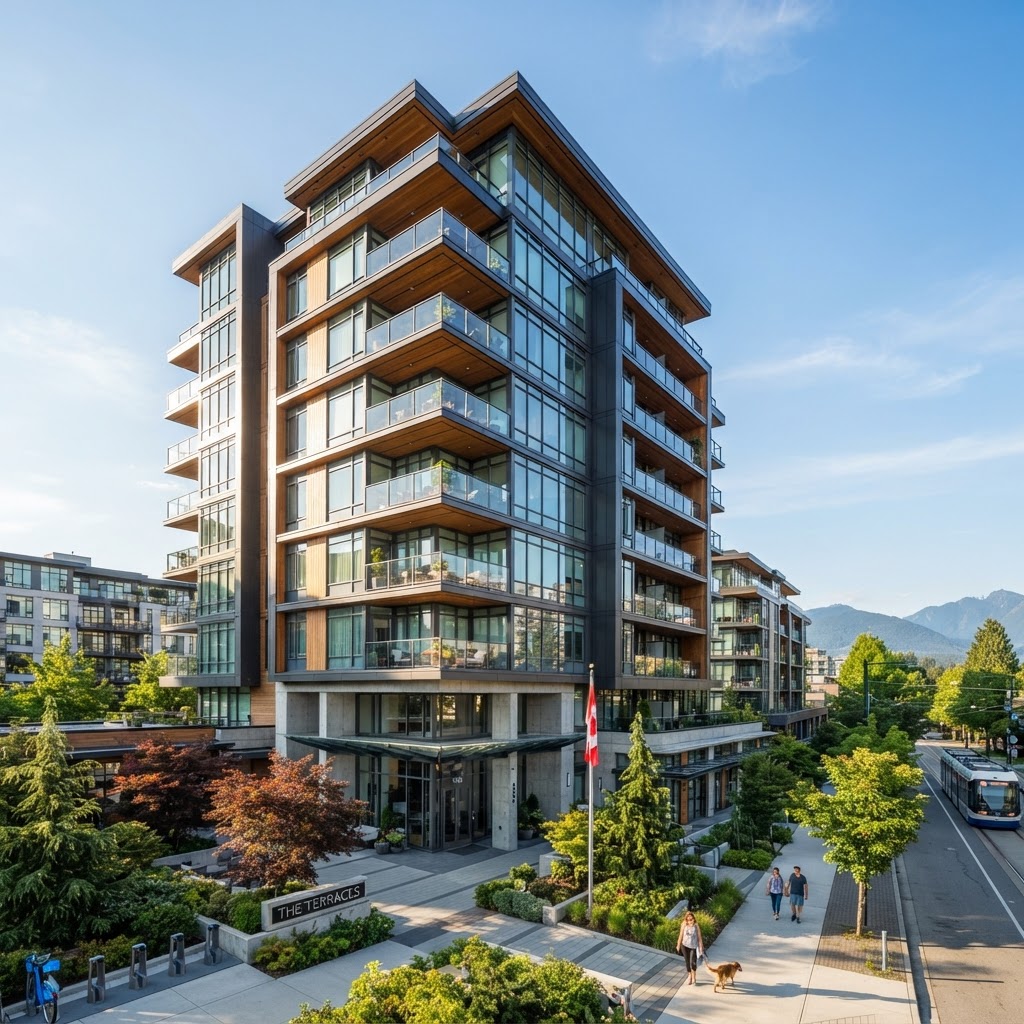
Understanding Ontario Residential Leasing: A Comprehensive Guide
Navigate the complexities of Ontario's rental market with this essential guide to the Residential Tenancies Act, standard lease requirements, and tenant rights. Learn how to protect your interests whether you are a landlord or a tenant in the province.
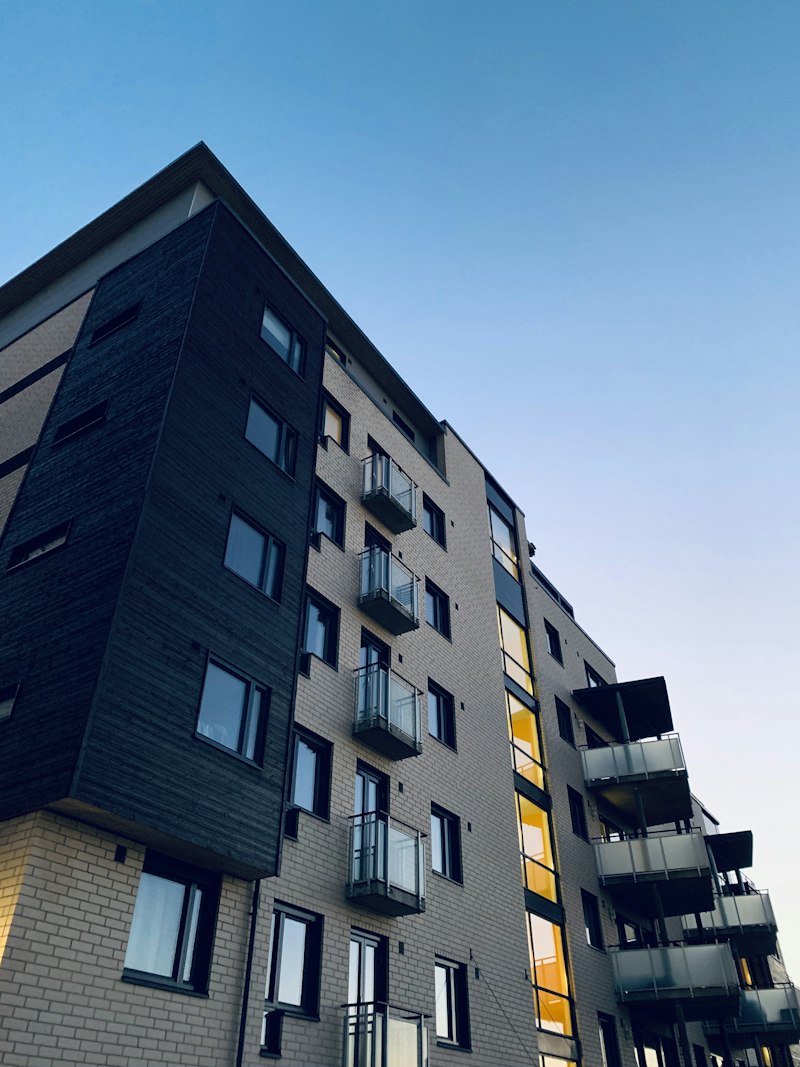
Understanding Residential Lease Agreements
What's in a lease agreement, key clauses to watch, and how to protect yourself as a tenant.

How to Negotiate a Commercial Lease in Canada
Key terms, hidden costs, and negotiation strategies for commercial tenants.
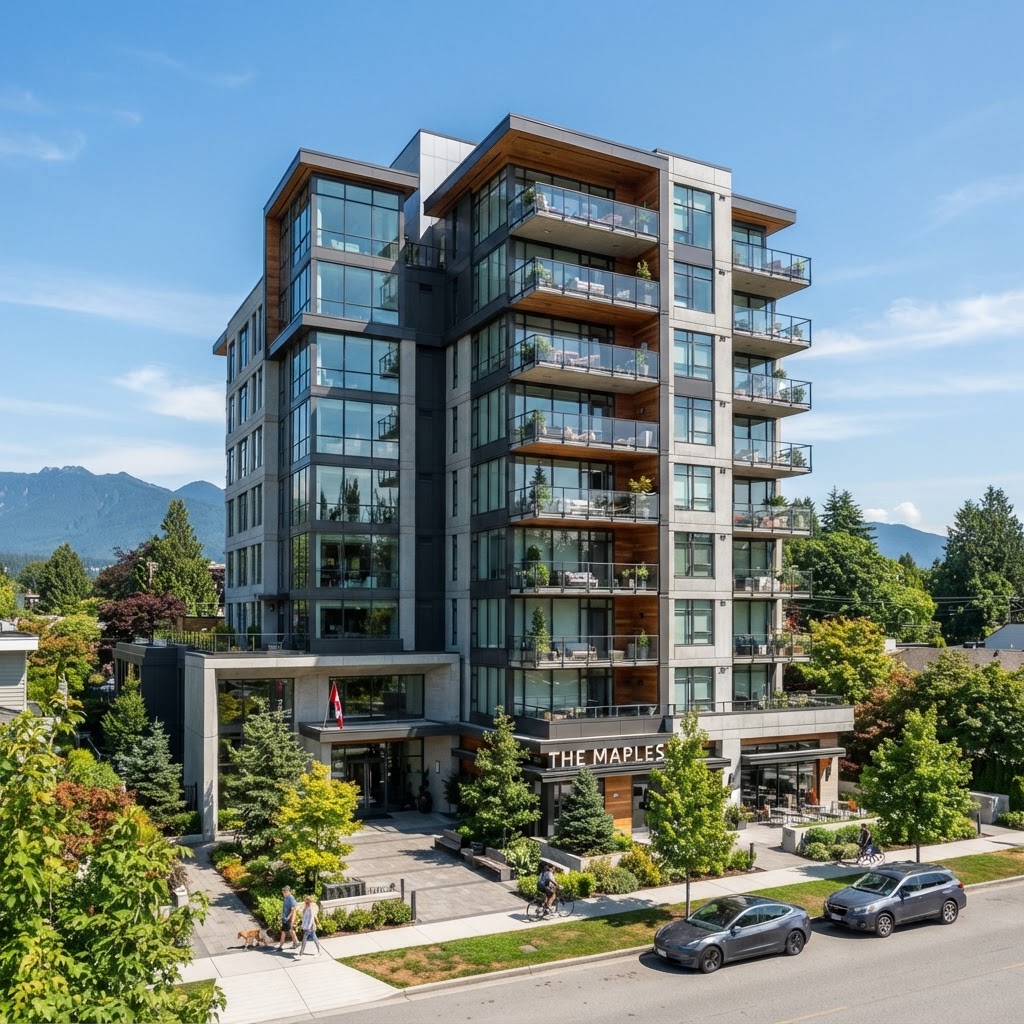
The Essential Guide to Leasing Property in Canada
Navigate the complexities of Canadian leasing with this comprehensive guide covering residential and commercial tenancy rights, provincial regulations, and best practices for both landlords and tenants. Learn how to protect your interests and ensure a smooth rental experience across the country.
Popular Questions
Can I legally rent my basement apartment in Ontario?
## Short Answer Yes, but only if it meets specific legal requirements. ## Requirements To legally rent a basement apartment (second unit) in Ontario, you must ensure: ### Building Code Compliance - **Ceiling height**: Minimum 1.95m (6'5") in habitable rooms - **Egress windows**: Bedroom windows must be large enough for emergency escape (minimum 380mm × 380mm opening) - **Separate entrance**: Recommended but not always required - **Fire separation**: 30-minute fire rating between units - **Smoke alarms and CO detectors**: In each unit ### Zoning - Since 2012, Ontario law permits second units in most residential zones - Check your municipal bylaws for any additional requirements - Some municipalities require registration ### Permits - Building permit required for new construction or major renovations - Electrical Safety Authority inspection for electrical work ### Fire Code - Working smoke alarms on every level - Carbon monoxide detectors near sleeping areas - Clear exit paths ## Costs Converting a basement to a legal apartment typically costs $30,000-$80,000 depending on the work needed. ## Next Steps 1. Contact your local building department 2. Hire a licensed contractor 3. Get proper permits before starting work 4. Register with your municipality if required
892 views · 47 upvotesHow to Calculate Rental Property Cash Flow in Canada?
What is the formula for calculating rental property cash flow in Canada?
0 views · 3 upvotesRelated Resources
Ontario Standard Lease Agreement
The official Ontario Standard Lease form with helpful annotations explaining each section for landlords.
formTenant Screening Checklist
A screening checklist for landlords to evaluate prospective tenants — credit, references, income, and red flags.
checklistTenant Screening Application Template
A professional rental application form that collects all the information you need to screen prospective tenants.
templateFrequently Asked Questions
Rent increase limits vary by province. In Ontario (2024), the guideline is 2.5%. In BC, it's 3.5%. Some provinces don't cap increases between tenants. Always check your provincial residential tenancy laws before raising rent.
Have Questions About Rental Properties & Landlords?
Get instant, AI-powered answers tailored to Canadian real estate — ask anything about rental properties & landlords.
Ask AI Advisor