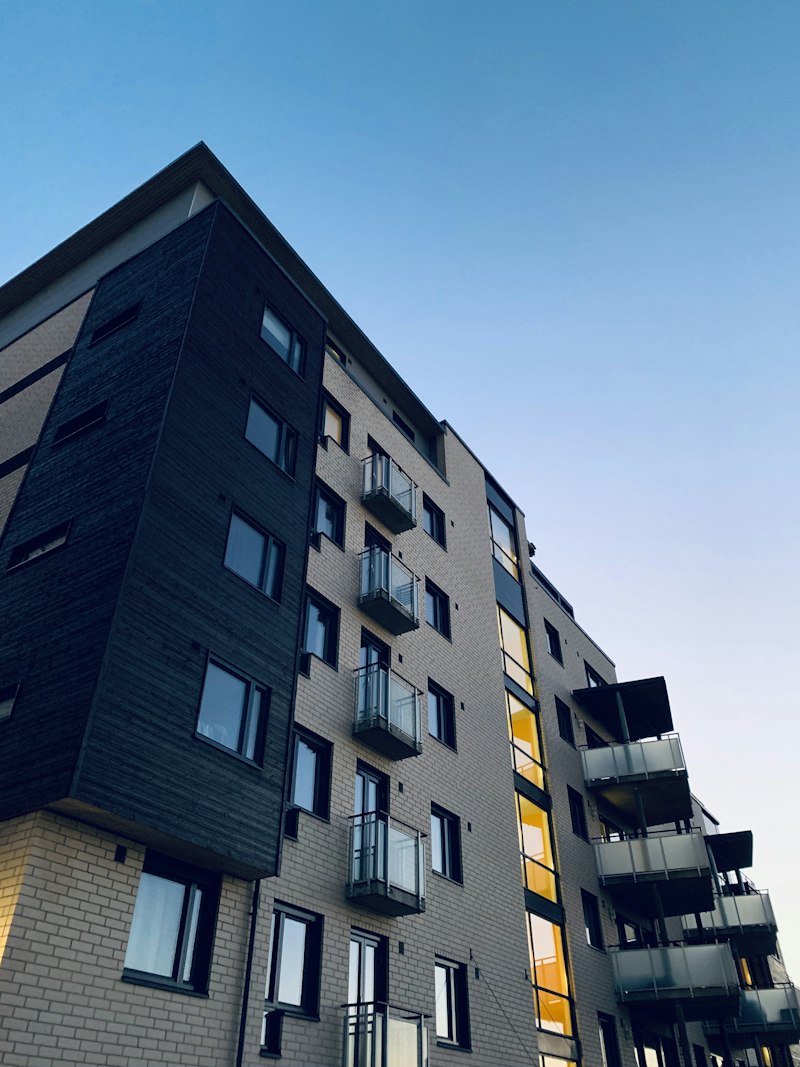
Understanding Residential Lease Agreements
What's in a lease agreement, key clauses to watch, and how to protect yourself as a tenant.
Introduction
Your lease agreement is a legally binding contract. Understanding its terms protects you from disputes and unexpected costs.
Standard Lease Components
1. Parties and Property
- Landlord and tenant names
- Property address and unit number
- Contact information for both parties
2. Lease Term
- Fixed-term: Specific start and end dates
- Month-to-month: Renews automatically
- Weekly: Less common
3. Rent
- Monthly rent amount
- Due date (typically 1st of month)
- Acceptable payment methods
- Late fee provisions (where legal)
4. Deposits
- Security/damage deposit amount
- Last month's rent (Ontario)
- Conditions for return
Key Clauses to Review
Rent Increase Clause
- How and when increases happen
- Provincial guidelines apply
- Must be within legal limits
Maintenance and Repairs
- Who is responsible for what
- How to request repairs
- Emergency repair procedures
- Timeline for responses
Utilities
- Which utilities tenant pays
- Which landlord pays
- Shared metering arrangements
Pet Policy
- Whether pets allowed
- Size/breed restrictions
- Pet deposits (where legal)
Subletting and Assignment
- Whether permitted
- Landlord approval process
- Tenant remains liable
Entry Rights
- Notice period for landlord entry
- Acceptable reasons for entry
- Emergency entry provisions
Provincial Standard Leases
Ontario
- Standard Lease mandatory for most residential tenancies
- Landlords must use the government form
- Additional terms can be attached
British Columbia
- No standard form required
- RTA terms apply regardless
- Common law fills gaps
Quebec
- Lease form regulated by TAL
- Specific mandatory clauses
- French language requirements
Alberta
- No standard form
- Residential Tenancies Act applies
- Written agreements recommended
Red Flags in Lease Agreements
Illegal Clauses
- Waiving tenant rights (void)
- Automatic eviction clauses
- Unreasonable penalties
- No-notice entry provisions
Unfair Terms
- Excessive deposits (above provincial limits)
- Unreasonable repair expectations
- One-sided termination rights
Before You Sign
- Read the entire lease — don't skim
- Check all blanks are filled in correctly
- Document existing damage with photos
- Understand your obligations
- Keep a copy of the signed lease
- Know your provincial rights — standard terms override lease terms
Breaking a Lease
Mutual Agreement
- Landlord and tenant agree to end early
- Get it in writing
Assignment/Sublet
- Find a replacement tenant
- Landlord must approve (cannot unreasonably refuse)
Constructive Eviction
- If the unit becomes uninhabitable
- Document all issues
Provincial Break Rules
- Ontario: Can break with 60 days notice (month-to-month)
- British Columbia: 1 month notice with valid reason
- Alberta: Varies by lease term
Summary
Always read your lease carefully and know your provincial rights. Standard provincial terms override lease clauses that try to remove your rights. For rental affordability, use our Calculators. The AI Advisor can answer general leasing questions, and our Q&A Community has tenant discussions.
This guide is for educational purposes only.
Related Articles


Related Questions
Can I legally rent my basement apartment in Ontario?
Short Answer Yes, but only if it meets specific legal requirements. Requirements To legally rent a basement apartmen...
47892How to Calculate Rental Property Cash Flow in Canada?
Rental property cash flow equals total monthly rental income minus all monthly expenses: mortgage payment, property taxe...
30What are the best cities in Canada for real estate investment in 2024?
Top Canadian Cities for Real Estate Investment 1. Calgary, Alberta - Strong population growth - Relatively affordable...
521203Is this condo reserve fund healthy? How do I evaluate?
How to Evaluate a Condo Reserve Fund Step 1: Review the Reserve Fund Study Every condo corporation in Ontario must ha...
41578