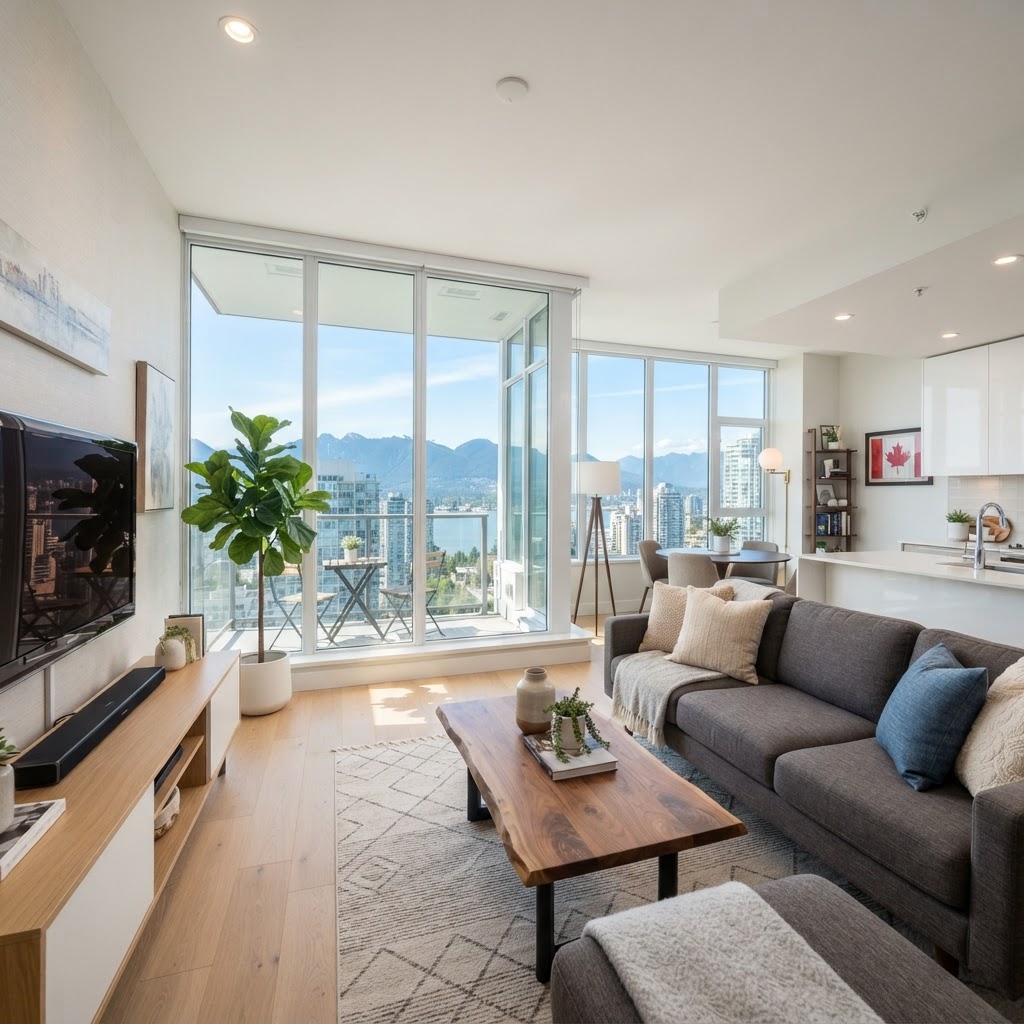
Mastering Residential Leasing in Canada: A Comprehensive Guide
Navigating the Canadian rental market requires understanding provincial tenancy laws, standard lease agreements, and your rights as a tenant or landlord. This guide breaks down the essentials of leasing across Canada to help you make informed housing decisions.
Understanding Canadian Leasing Laws
Leasing a property in Canada is governed primarily at the provincial and territorial level. Because each province maintains its own Residential Tenancy Act, rules regarding rent control, security deposits, and eviction processes vary significantly. Before signing any agreement, it is essential to identify the specific legislation in your region. For personalized insights, you can consult our AI Advisor to understand how local laws apply to your specific situation.
The Importance of Standardized Leases
Many provinces, most notably Ontario, mandate the use of a government-standardized lease agreement. These forms are designed to protect both parties by ensuring that essential terms—such as rent, utilities, and house rules—are clearly defined and compliant with provincial law.
Key Sections of a Standard Lease:
- Parties Involved: Full legal names of all tenants and the landlord.
- Rental Unit Details: Address, parking, and storage information.
- Term and Rent: Start date, end date, and the amount of rent due.
- Deposits: Rules regarding last month's rent or security deposits.
- Services and Utilities: Clarification on who pays for heat, hydro, and water.
If you are unsure about the terms in your contract, use our Health Check tool to evaluate your lease agreement for potential red flags.
Provincial Variations in Deposits and Rent Control
One of the most common points of confusion for renters is the difference in deposit regulations. While some provinces allow for a security deposit (often half a month's rent), others like Ontario strictly limit deposits to the last month's rent.
- Rent Control: Not all provinces have rent control. In jurisdictions without it, landlords may be able to increase rent to market rates once a lease term expires. Always check your local Resource Library for the most current rent increase guidelines.
- Security Deposits: Always verify the maximum allowable deposit in your province to avoid overpaying.
Tips for a Smooth Leasing Experience
Whether you are a landlord or a tenant, preparation is key to a successful tenancy.
- Screening: Landlords should conduct thorough background and credit checks.
- Documentation: Keep a copy of your signed lease, move-in inspection report, and all communication regarding repairs.
- Budgeting: Use our Calculators to determine how much rent you can afford based on your monthly income and expenses.
If you have specific questions about your rights or responsibilities, join our Q&A Community to connect with others who have navigated similar situations. For those considering whether to rent or buy, check out our Buying Guides to compare the long-term financial implications of both paths.
Final Checklist Before Signing
Before you commit to a lease, ensure you have:
- Verified the landlord's identity and ownership of the property.
- Inspected the unit for any pre-existing damages.
- Confirmed what is included in the rent (e.g., internet, appliances).
- Read the entire lease, including any 'Additional Terms' added to the document.
Remember, provincial legislation always overrides the lease. Any clause in a contract that contradicts the law is generally considered void. Stay informed, stay protected, and enjoy your new home.

Related Articles
Related Questions
Can I legally rent my basement apartment in Ontario?
Short Answer Yes, but only if it meets specific legal requirements. Requirements To legally rent a basement apartmen...
47892How to Calculate Rental Property Cash Flow in Canada?
Rental property cash flow equals total monthly rental income minus all monthly expenses: mortgage payment, property taxe...
30What are the best cities in Canada for real estate investment in 2024?
Top Canadian Cities for Real Estate Investment 1. Calgary, Alberta - Strong population growth - Relatively affordable...
521203Should I lease or buy commercial space for my small business?
The lease vs. buy decision for your business depends on several key factors: When leasing makes sense: - Your business ...
00