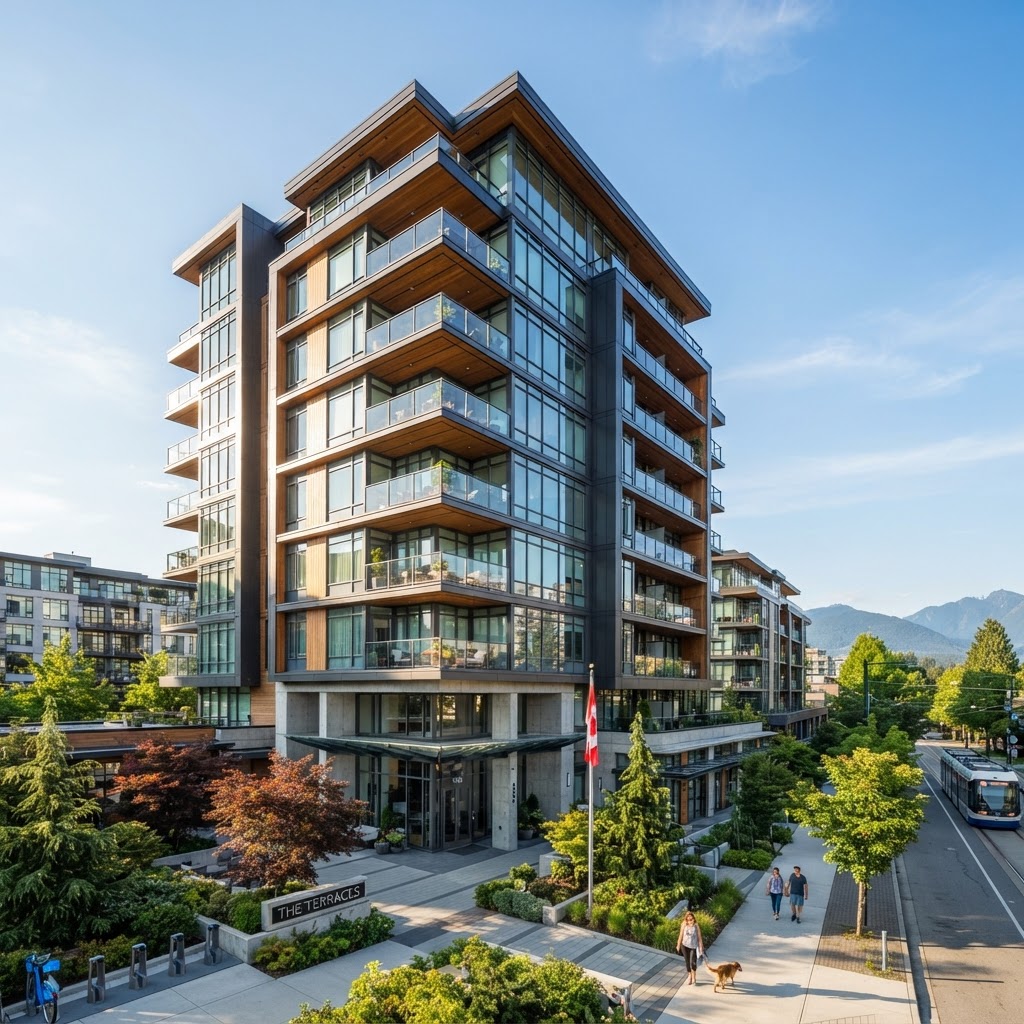
Understanding Ontario Residential Leasing: A Comprehensive Guide
Navigate the complexities of Ontario's rental market with this essential guide to the Residential Tenancies Act, standard lease requirements, and tenant rights. Learn how to protect your interests whether you are a landlord or a tenant in the province.
Introduction to Leasing in Ontario
Leasing a property in Ontario is governed by the Residential Tenancies Act, 2006 (RTA). Unlike some other jurisdictions, Ontario maintains a highly regulated rental environment designed to balance the rights of landlords and tenants. Whether you are looking to rent your first apartment or managing a portfolio of properties, understanding the legal framework is critical to avoiding disputes.
If you are unsure about specific clauses in your agreement, our AI Advisor can help you interpret complex legal language, or you can visit our Q&A Community to see how others have handled similar situations.
The Mandatory Standard Lease
Since April 30, 2018, most private residential tenancies in Ontario must use the Government of Ontario's Standard Form of Lease. This document is mandatory for:
- Single and semi-detached houses
- Apartment buildings
- Condominium units
- Secondary suites (basement apartments)
Why the Standard Lease Matters
Using the standard lease ensures that both parties are aware of their statutory rights. If a landlord fails to provide this form, a tenant has the legal right to request one. If the landlord does not provide it within 21 days of the request, the tenant may be entitled to withhold one month's rent. Always ensure your agreement is documented correctly; you can use our Health Check tool to verify if your current rental situation aligns with provincial standards.
Deposits and Financial Obligations
Ontario law is very specific regarding what a landlord can and cannot collect. Understanding these rules is essential for financial planning.
Permitted Deposits
- Last Month’s Rent (LMR): Landlords may collect a deposit for the last month's rent. This must be applied to the final month of the tenancy.
- Key Deposit: A landlord may charge a refundable deposit for keys or access cards, but it cannot exceed the actual replacement cost.
Prohibited Deposits
- Damage Deposits: It is illegal for a landlord to collect a security or damage deposit in Ontario.
- Pet Deposits: Charging a fee or deposit for pets is strictly prohibited.
- Cleaning Deposits: Any upfront fee for cleaning is not permitted under the RTA.
Use our Calculators to estimate your move-in costs and ensure you are not paying illegal fees.
Rent Control and Increases
Rent control in Ontario is determined by the date a unit was first occupied for residential purposes.
- Rent-Controlled Units: Generally, units first occupied for residential purposes on or before November 15, 2018, are subject to annual rent increase guidelines set by the province.
- Exempt Units: Units first occupied after November 15, 2018, are generally exempt from rent control, meaning landlords can increase rent by any amount, provided they give proper 90-day notice using the correct form.
Maintenance and Privacy
Landlords are responsible for maintaining the property in a good state of repair, regardless of the lease terms. Tenants have a right to reasonable enjoyment and privacy. A landlord cannot enter a unit without providing 24 hours' written notice, except in cases of emergency.
When Disputes Arise
The Landlord and Tenant Board (LTB) is the independent tribunal responsible for resolving disputes. Whether it is an issue regarding illegal eviction, maintenance neglect, or non-payment of rent, the LTB provides the formal process for resolution.
For those looking to understand the broader Canadian landscape, check out our other Buying Guides to see how leasing compares to homeownership, or browse our Resource Library for more detailed provincial breakdowns.
Quick Checklist for Tenants and Landlords
- Verify the Lease: Ensure you are using the current version of the Ontario Standard Lease.
- Document Everything: Keep records of all communications, rent payments, and maintenance requests.
- Know Your Forms: Familiarize yourself with LTB forms (e.g., N1 for rent increases, N4 for non-payment).
- Stay Informed: Laws like the RTA are subject to updates. Always check for the latest legislative changes to ensure your practices remain compliant.

Related Articles

Related Questions
Can I legally rent my basement apartment in Ontario?
Short Answer Yes, but only if it meets specific legal requirements. Requirements To legally rent a basement apartmen...
47892How to Calculate Rental Property Cash Flow in Canada?
Rental property cash flow equals total monthly rental income minus all monthly expenses: mortgage payment, property taxe...
30What are the best cities in Canada for real estate investment in 2024?
Top Canadian Cities for Real Estate Investment 1. Calgary, Alberta - Strong population growth - Relatively affordable...
521203Should I lease or buy commercial space for my small business?
The lease vs. buy decision for your business depends on several key factors: When leasing makes sense: - Your business ...
00