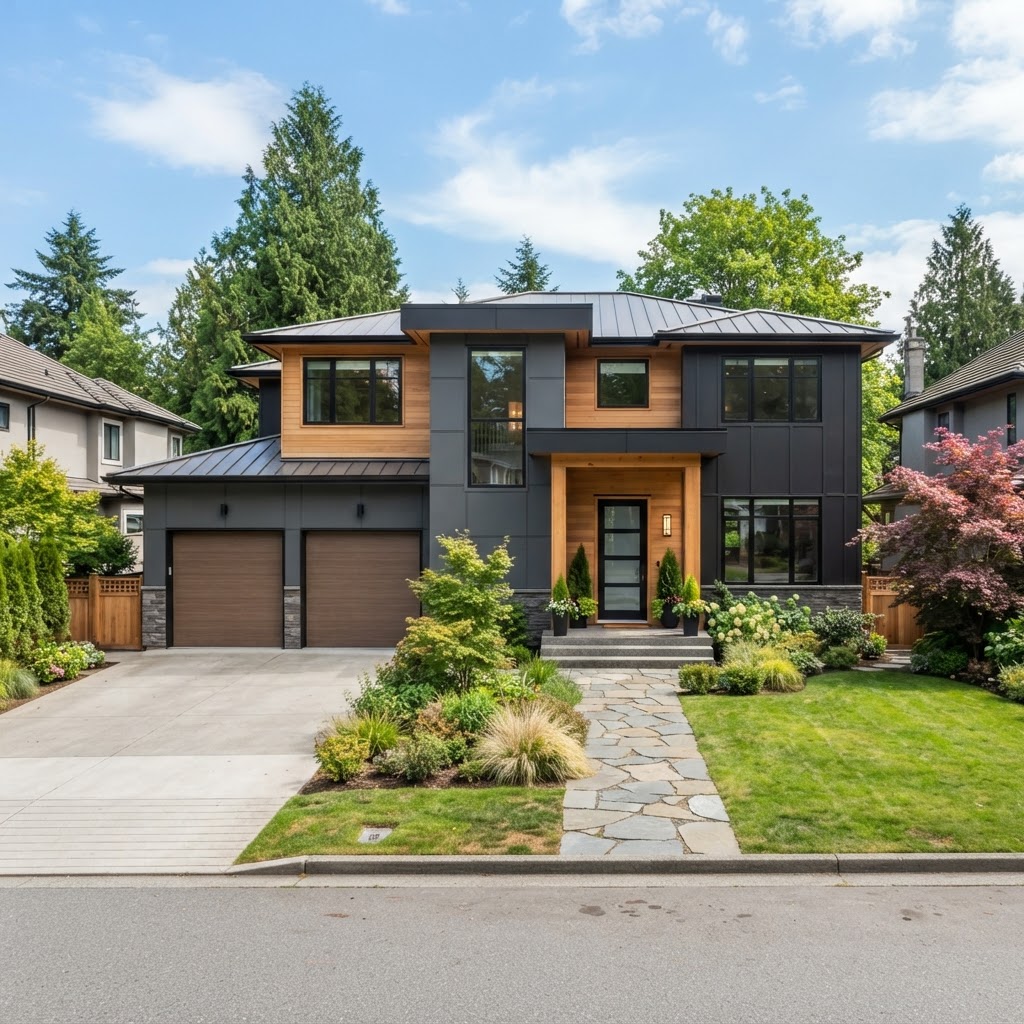
The Ultimate Guide to Buying Your First Home in Canada
Navigate the Canadian real estate market with confidence using this comprehensive step-by-step guide. From securing mortgage pre-approval to closing the deal, learn how to manage your finances and find the right property.
Introduction to Canadian Homeownership
Buying a home is one of the most significant financial milestones in your life. Whether you are looking for a detached house in the suburbs or a condo in the city, the process in Canada involves several critical stages. Before you start browsing listings, it is essential to understand the financial and legal requirements involved in the Canadian market.
Step 1: Assess Your Financial Health
Before you look at a single property, you must understand your budget. A common rule of thumb is to keep your total monthly housing expenses—including mortgage payments, property taxes, and utilities—below 35% of your gross monthly income. Use our Calculators to determine what you can realistically afford.
- Credit Score: Ensure your credit history is strong. If you are a newcomer, you may need to provide alternative proof of creditworthiness.
- Savings: Beyond the down payment, you need to account for closing costs, which typically range from 1.5% to 4% of the purchase price.
Step 2: Understand Down Payment Requirements
In Canada, the minimum down payment depends on the purchase price:
- Under $500,000: 5% minimum.
- $500,000 to $1.5 million: 5% on the first $500,000 and 10% on the remainder.
- $1.5 million and over: 20% minimum.
If your down payment is less than 20%, you will be required to pay for mortgage default insurance. Consult our AI Advisor to see how different down payment amounts affect your monthly payments.
Step 3: Mortgage Pre-Approval
Getting pre-approved is a vital step that tells sellers you are a serious buyer. It locks in an interest rate for a specific period and gives you a clear budget ceiling. Visit our Resource Library for checklists on the documents you will need to provide to your lender.
Step 4: Finding the Right Property
Once you have your budget, it is time to search. Consider your lifestyle needs, commute, and future resale value.
- Work with a Professional: A buyer's agent can provide access to listings and handle negotiations.
- Due Diligence: Always conduct a home inspection. Never skip this step, as it can save you thousands in unexpected repairs. If you are unsure about a property's condition, perform a Health Check to identify potential red flags.
Step 5: Making an Offer and Closing
When you find the right home, your agent will help you draft an Agreement of Purchase and Sale. This document will include conditions such as financing, home inspection, and status certificates (for condos).
- Closing Costs: Remember to budget for land transfer taxes, legal fees, and title insurance.
- Finalizing: Once conditions are met, you will sign the final paperwork with your lawyer or notary.
Practical Tips for Success
- Use Tax-Advantaged Accounts: Utilize the First Home Savings Account (FHSA) and the Home Buyers' Plan (HBP) to maximize your savings.
- Stay Informed: The market changes rapidly. Join our Q&A Community to discuss local market trends with other buyers.
- Explore More: For deeper dives into specific regions or property types, check out our other Buying Guides.
Buying a home is a journey. Take it one step at a time, stay organized, and don't hesitate to reach out for professional advice when needed.

Related Articles



Related Questions
How Much House Can I Afford in Canada?
In Canada, you can typically afford a home priced at 4 to 5 times your gross annual household income, provided your tota...
50Should I refinance my mortgage in 2024?
When Refinancing Makes Sense Refinancing can be beneficial if: 1. Interest Rate Savings - Your current rate is signi...
28423How Much Down Payment Do I Need in Canada?
The minimum down payment in Canada is 5% for homes under $500,000. For homes priced $500,001 to $999,999, you need 5% on...
40Fixed vs. Variable Mortgage: Which Is Better in Canada?
Fixed mortgages offer rate certainty and protection from increases, while variable mortgages historically cost less over...
30