
The Ultimate Guide to Buying and Owning a Condo in Canada
A comprehensive look at the Canadian condo market, covering legal structures, financial obligations, and provincial differences. Perfect for first-time buyers and seasoned investors alike.
Understanding Condominium Ownership in Canada
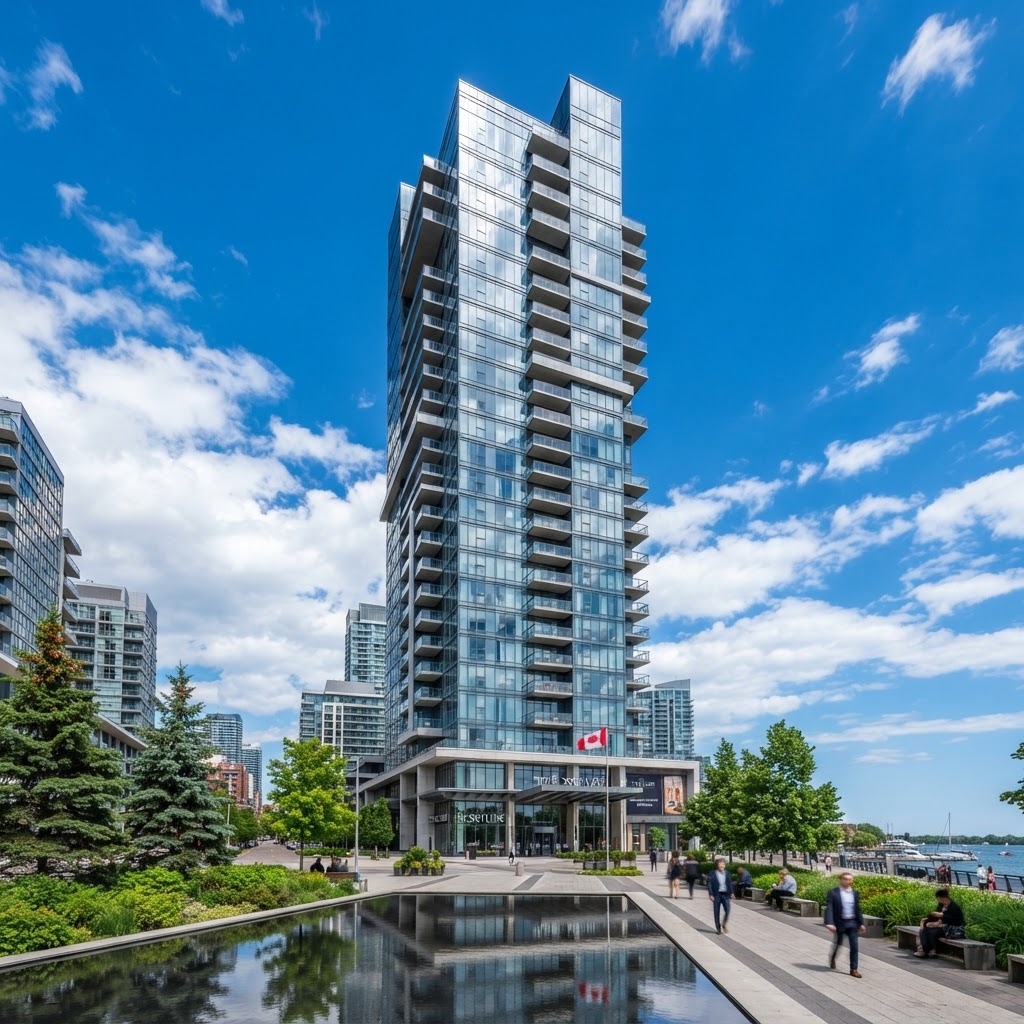
Condominium living has become a cornerstone of the Canadian real estate landscape. According to Statistics Canada, approximately one in eight Canadian households now lives in a residential condominium. While often associated with high-rise towers in urban centers like Toronto or Vancouver, the 'condo' designation is actually a legal form of ownership rather than a specific building style. When you buy a condo, you own your specific unit and a shared percentage of the 'common elements,' such as the hallways, elevators, land, and amenities.
Navigating this market requires a solid understanding of how these corporations operate. Before diving into a purchase, it is wise to consult our Buying Guides to see how condos compare to freehold homes.
Key Terminology Across Provinces
While the concept is similar nationwide, the terminology varies significantly depending on where you are located in Canada:
- Ontario, Alberta, and most of Canada: The term 'Condominium' is the standard legal name.
- British Columbia: Condos are referred to as 'Strata' properties, governed by the Strata Property Act.
- Quebec: The legal term is 'Divided Co-property' (copropriété divise).
Regardless of the name, the structure involves a corporation (or strata corporation) managed by a Board of Directors elected by the owners. If you are confused about the specific terminology in your region, our AI Advisor can help clarify local regulations.
The Financials: Fees, Funds, and Levies
One of the most critical aspects of condo ownership is the financial commitment beyond your mortgage. Every owner is required to pay monthly maintenance fees, also known as common expense contributions.
1. Monthly Maintenance Fees
These fees cover the day-to-day operating costs of the building, including utilities for common areas, landscaping, snow removal, property management, and building insurance. In major hubs like the GTA, fees have recently seen average annual increases of over 5%, while Vancouver has seen even sharper spikes historically. For new builds, you can typically expect to start between $0.60 and $0.75 per square foot.
2. The Reserve Fund
A portion of your monthly fee is diverted into a 'Reserve Fund' (or Contingency Reserve Fund in BC). This is essentially a long-term savings account for major repairs and replacements, such as a new roof or elevator modernization. A healthy reserve fund is vital; without it, owners may face a 'Special Assessment'—a large, one-time payment required to cover emergency repairs.
3. Reserve Fund Studies
Provincial laws mandate how these funds are managed. In Ontario, corporations must conduct a Reserve Fund Study every three years. In British Columbia, strata corporations with five or more units must obtain 'depreciation reports' every five years. These studies involve a physical analysis of the building's components and a financial analysis to ensure enough money is being saved for the next 30 years.
To see how these fees fit into your long-term financial plan, use our Calculators to model your monthly carrying costs.
Essential Documents: The Status Certificate
When buying a resale condo, the most important document you will encounter is the Status Certificate (known as an Estoppel Certificate in some Western provinces). In Ontario, a corporation must provide this document within 10 days of a request for a regulated fee of $100.
This package includes:
- The Declaration and Bylaws: The 'constitution' of the condo, detailing rules on pets, rentals, and parking.
- Financial Statements: The current budget and the balance of the reserve fund.
- Legal Disclosures: Information on any pending lawsuits against the corporation.
- Unit Specifics: Confirmation that the current owner is up to date on their fees.
It is highly recommended that you have a real estate lawyer review this document. You can also use our Health Check tool to get a better sense of what to look for in these financial disclosures.
Condo Governance and Your Rights
Living in a condo means living by a set of rules designed to maintain harmony and property values. These are typically divided into three categories:
- Declaration: The primary document that defines the units and common elements.
- Bylaws: Rules governing how the corporation is run (e.g., how directors are elected).
- Rules: Daily regulations, such as restrictions on the size of dogs allowed or the hours the gym is open.
If you encounter disputes with your board or neighbors, our Q&A Community is a great place to see how other Canadian owners have resolved similar issues.
Practical Tips for Condo Buyers
- Check the 'Hot' Markets: In cities like Toronto and Vancouver, 'Hot Homes' can sell in days. Ensure your financing is pre-approved.
- Review the Amenities: Remember that you pay for every amenity. If you don't use the pool or the 24-hour concierge, you might be better off in a 'boutique' building with fewer frills and lower fees.
- Investigate the Management: A poorly managed building can lead to skyrocketing fees. Look for buildings managed by reputable firms with a history of transparency.
- Understand Insurance: The corporation's insurance only covers the building shell. You need your own 'condo insurance' to cover your contents, improvements, and personal liability.
For more detailed checklists, visit our Resource Library to download our Condo Buyer's Checklist.
Is Condo Living Right for You?
Condos offer a 'lock-and-leave' lifestyle that is highly attractive to busy professionals and retirees. However, it requires a willingness to follow community rules and accept that some financial decisions are out of your individual control. By doing your due diligence and understanding the provincial nuances of the Canadian market, you can turn a condo into a stable, long-term investment.
Related Articles


Related Questions
Is this condo reserve fund healthy? How do I evaluate?
How to Evaluate a Condo Reserve Fund Step 1: Review the Reserve Fund Study Every condo corporation in Ontario must ha...
41578What are the best cities in Canada for real estate investment in 2024?
Top Canadian Cities for Real Estate Investment 1. Calgary, Alberta - Strong population growth - Relatively affordable...
521203Can I legally rent my basement apartment in Ontario?
Short Answer Yes, but only if it meets specific legal requirements. Requirements To legally rent a basement apartmen...
47892How much should I budget for annual home repairs?
The 1% Rule A widely-used guideline is to budget 1-2% of your home's value annually for maintenance and repairs. Exa...
35654