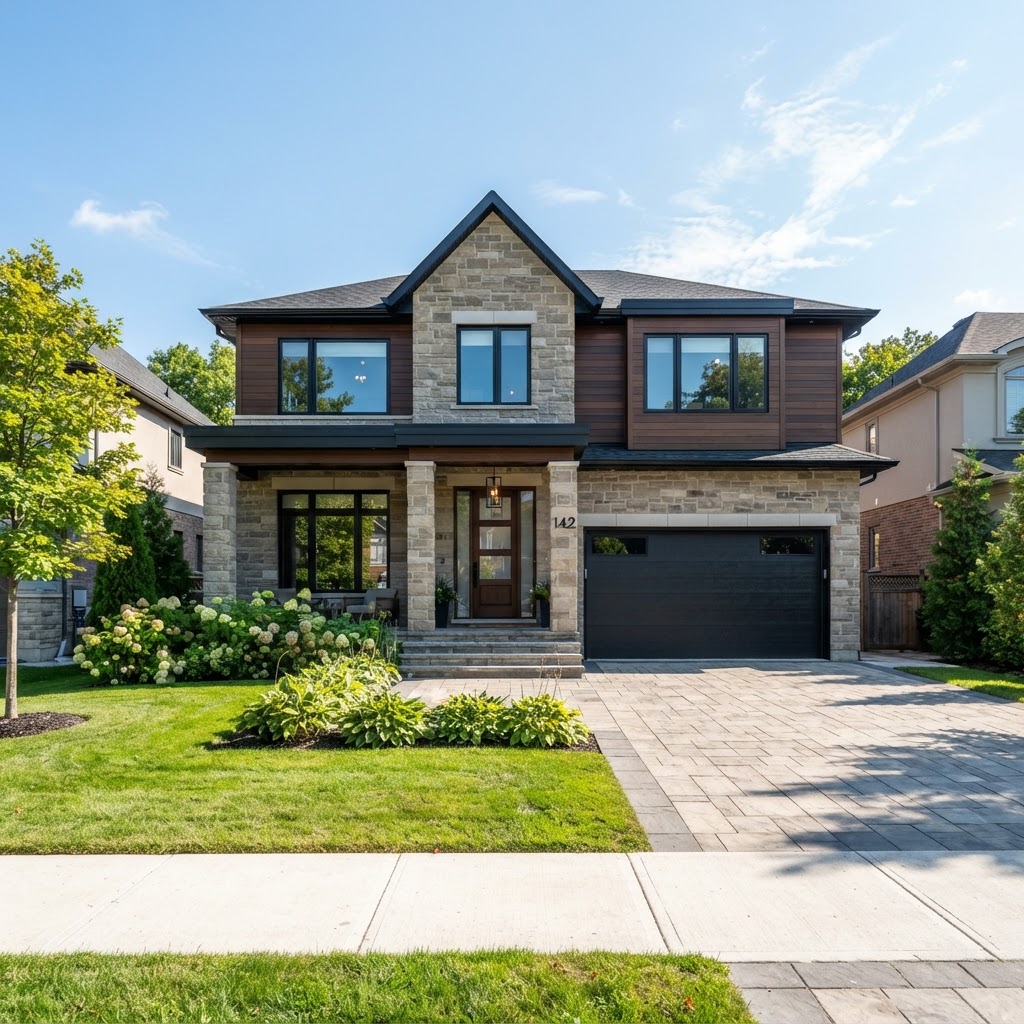
The Ultimate Guide to Buying and Owning a House in Canada
A comprehensive overview of the Canadian residential real estate market, covering house types, provincial tax variations, and the step-by-step path to homeownership.
Buying a house in Canada is a significant milestone and often the largest financial investment a person will make. Canada offers a diverse range of residential properties, from the historic brownstones of Montreal to the modern glass-fronted detached homes of Vancouver. Understanding the nuances of the Canadian real estate market is essential for any prospective buyer. Whether you are a first-time buyer or looking to upgrade, this guide provides the foundational knowledge required to navigate the complexities of the houses category in Canada. For those just starting their journey, our Buying Guides offer a great starting point for understanding the broader market.
Defining House Types in Canada
In Canada, residential properties are generally categorized by their physical structure and their relationship to neighboring buildings. Choosing the right type depends on your budget, lifestyle, and maintenance preferences.
- Detached Houses: Often referred to as single-family homes, these structures do not share any walls with other residences. They offer the highest level of privacy and usually include both front and back yards. In cities like Calgary, detached homes make up over 57% of the housing stock, whereas in denser urban centers like Montreal, they represent a much smaller fraction (around 7.5%).
- Semi-Detached Houses: These homes share one common wall with a neighbor. They are a popular middle-ground option, providing more space than a townhouse but at a lower price point than a fully detached home. They are common in older neighborhoods in Toronto and Ottawa.
- Townhouses (Row Houses): These are units that share walls on both sides, except for the end units. In many provinces, townhouses may be part of a condominium corporation (or Strata in British Columbia), meaning you own the interior while a board manages the exterior and common elements. This often involves a monthly fee.
- Link Houses: A unique Canadian variation where houses appear detached above ground but are connected by their foundations or garage walls underground. This allows for higher density while maintaining the appearance of a detached streetscape.
- Bungalows and Split-Levels: Bungalows are single-story homes highly sought after by seniors for their accessibility. Split-level homes, popular in the 1970s, offer a unique layout that separates living areas by half-flights of stairs, providing distinct zones for living and sleeping.
Financial Readiness and the Stress Test
Before you start browsing listings, you must understand your borrowing capacity. The Canadian government mandates a stress test for all insured and uninsured mortgages. This ensures that buyers can still afford their payments if interest rates rise. As of 2026, with the Bank of Canada policy rate around 2.25%, the stress test remains a critical hurdle for many buyers.
- Down Payments: For homes under $500,000, the minimum down payment is 5%. For the portion between $500,000 and $999,999, you need 10%. Any home over $1 million requires a full 20% down payment.
- Mortgage Insurance: If your down payment is less than 20%, you must purchase mortgage default insurance through providers like the CMHC. This protects the lender, not you, but allows you to enter the market with less capital.
- Non-Resident Requirements: While residents can buy with 5%, non-residents are often required by major banks to provide a minimum of 35% down.
To get a clear picture of your budget, use our Calculators to factor in interest rates, property taxes, and heating costs.
Provincial Variations: Taxes and Legalities
Real estate law in Canada is provincially regulated, leading to significant differences in closing costs and purchasing rules.
- Ontario and British Columbia: Both provinces have implemented a Non-Resident Speculation Tax (NRST), which can be as high as 20% for foreign buyers in certain regions. Additionally, both provinces charge a Land Transfer Tax (LTT) based on the purchase price. In Toronto, buyers face a double whammy: both a provincial and a municipal land transfer tax.
- Alberta: Known for being more buyer-friendly, Alberta does not have a provincial land transfer tax. Instead, buyers pay nominal land title and mortgage registration fees, which can save thousands of dollars at closing. This makes cities like Calgary and Edmonton attractive for those looking to minimize closing costs.
- Quebec: Unlike the rest of Canada which uses Common Law, Quebec operates under Civil Law. Transactions are handled by a Notary rather than a lawyer. Buyers should also be prepared for the Welcome Tax (taxe de mutation), a land transfer fee charged by municipalities.
- The Maritimes: Provinces like Nova Scotia and New Brunswick have seen rising prices but remain some of the most affordable regions for detached houses, though they have their own specific deed transfer taxes.
The Step-by-Step Buying Process
- Get Pre-Approved: Before searching, secure a mortgage pre-approval to know your limit and lock in a rate.
- Define Your Needs: Use our AI Advisor to help narrow down your search criteria based on your lifestyle and financial goals.
- The Search: Look for properties that meet your criteria. Consider proximity to schools, transit, and amenities. In 2026, the national benchmark price sits around $673,400, but local markets vary significantly.
- Making an Offer: Your Realtor will help you draft an Agreement of Purchase and Sale. This will include your price, closing date, and conditions such as financing or a home inspection.
- Due Diligence: Never skip a home inspection. Use our Health Check tool to track the condition of the property's major systems like the roof, HVAC, and foundation.
- Closing Day: Your lawyer or notary will transfer the funds, register the deed, and hand over the keys.
Practical Tips for Homeowners
- Budget for Closing Costs: Always set aside 1.5% to 4% of the purchase price for closing costs, including legal fees, adjustments for property taxes, and title insurance.
- Seasonal Maintenance: Owning a house in Canada requires seasonal preparation. In the fall, clear gutters and winterize outdoor faucets to prevent pipe bursts. In the spring, check the foundation for cracks as the snow melts to prevent basement flooding.
- Leverage the Community: If you have specific questions about a neighborhood in Toronto, Vancouver, or Halifax, visit our Q&A Community to hear from residents and experts.
- Stay Educated: The market changes rapidly. Regularly visit our Resource Library for updates on interest rates, new housing price indices, and legislative changes.
Market Outlook for 2026
As of mid-2026, the Canadian housing market has shown signs of stabilization. While demand remains high in major hubs, the supply of new housing starts is slowly catching up. Buyers are finding more predictable financing options compared to the volatility of previous years. For more detailed regional analysis and specific city data, explore our comprehensive Resource Library.","read_time":10,"complexity":"beginner","tags":["Houses","Home Buying","Canada Real Estate","Property Types"],"province":"National","provinces":["National"],"cities":["Toronto","Vancouver","Calgary","Montreal","Edmonton","Ottawa","Winnipeg","Halifax"],"cover_image_query":"modern canadian suburban detached house exterior"}
Related Articles
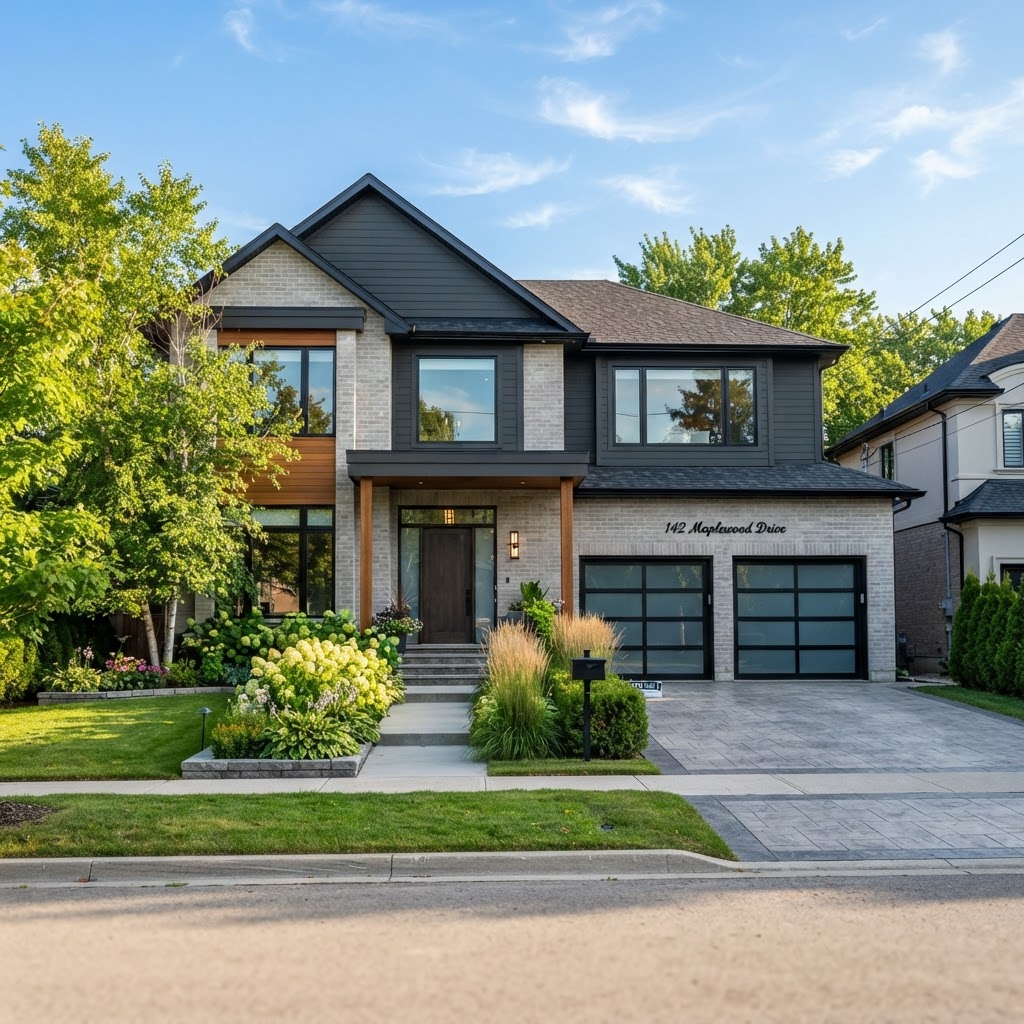

Related Questions
What are the best cities in Canada for real estate investment in 2024?
Top Canadian Cities for Real Estate Investment 1. Calgary, Alberta - Strong population growth - Relatively affordable...
521203Can I legally rent my basement apartment in Ontario?
Short Answer Yes, but only if it meets specific legal requirements. Requirements To legally rent a basement apartmen...
47892Is this condo reserve fund healthy? How do I evaluate?
How to Evaluate a Condo Reserve Fund Step 1: Review the Reserve Fund Study Every condo corporation in Ontario must ha...
41578How much should I budget for annual home repairs?
The 1% Rule A widely-used guideline is to budget 1-2% of your home's value annually for maintenance and repairs. Exa...
35654