Understanding House Types in Canada: A Comprehensive Guide
Navigating the Canadian housing market requires understanding the diverse range of property types available. This guide explores common architectural styles, ownership structures, and key considerations for prospective buyers across the country.
Introduction to Canadian Housing
Buying a home is one of the most significant financial decisions you will make. In Canada, the housing market is incredibly diverse, ranging from historic detached homes in older urban cores to modern townhouses in expanding suburban developments. Before you begin your search, it is essential to understand the different types of houses available and how they impact your lifestyle, budget, and long-term investment potential. If you are just starting your journey, we recommend using our AI Advisor to help clarify your specific needs.
Common Types of Houses in Canada
Understanding the terminology used in real estate listings is the first step toward finding your ideal home. Here are the most common categories:
1. Single-Detached Homes
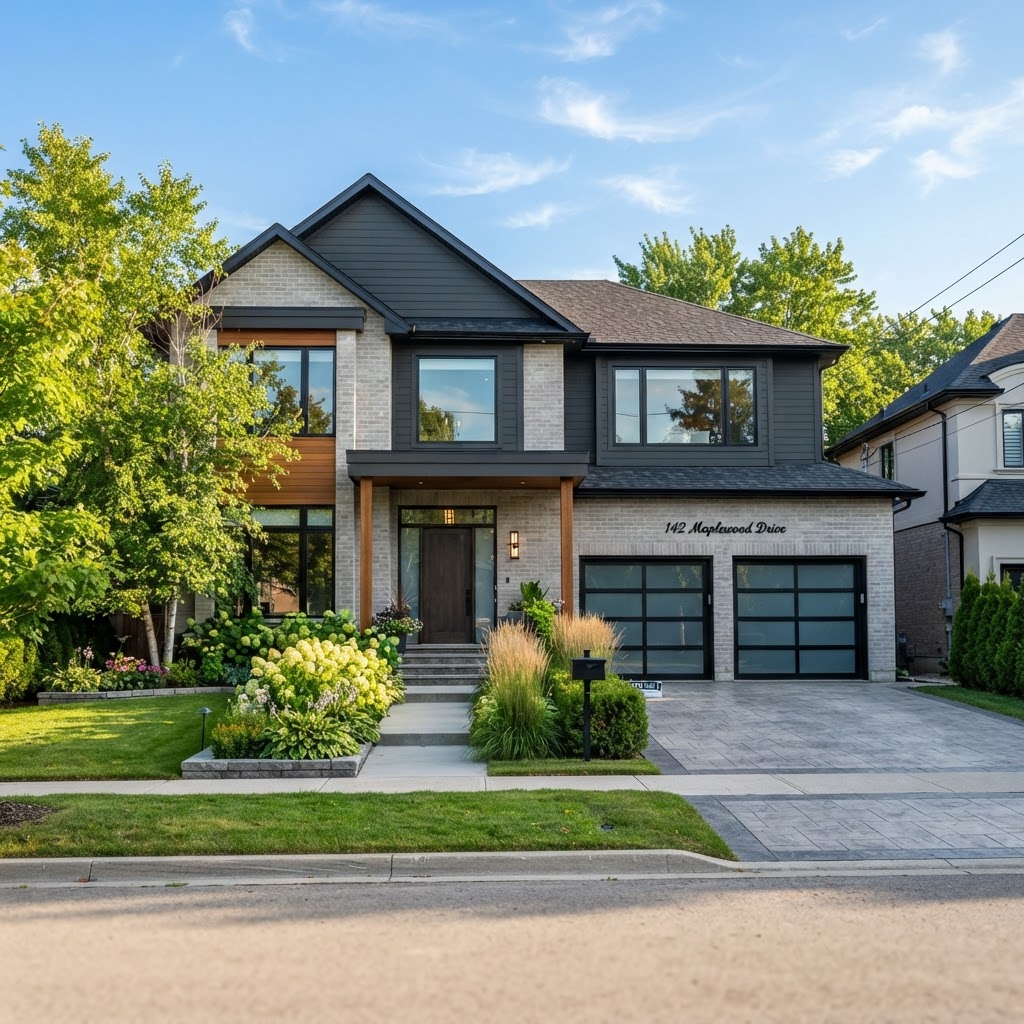
These are standalone structures that do not share walls with any other property. They offer the most privacy and typically include a private yard and driveway. They are highly sought after by families but often come with a higher price tag due to the land value.
2. Semi-Detached Homes
Often referred to as a "semi," this is a single building divided into two separate units by a common wall. Each unit is owned individually. This is a popular middle-ground for buyers who want more space than a condo but are not ready for the maintenance of a fully detached home.
3. Townhouses (Row Houses)
Townhouses are units that share walls with other units on both sides (except for end units). They are often part of a strata or condominium corporation, meaning you may pay monthly maintenance fees for shared amenities or exterior upkeep.
4. Condominiums
While often associated with high-rise apartments, condos can also be low-rise or even detached units within a condominium corporation. Ownership includes your specific unit and a share of the common property.
Factors Influencing Your Choice
When deciding which type of house fits your needs, consider the following:
- Budget: Use our Calculators to determine what you can afford, keeping in mind that detached homes often have higher property taxes and utility costs.
- Maintenance: Are you prepared for snow removal, lawn care, and roof repairs? If not, a townhouse or condo with a management board might be better.
- Location: In dense cities like Toronto or Vancouver, detached homes are rare and expensive. You may need to look at semi-detached or townhouses to stay within your preferred neighborhood.
- Future Needs: Consider your long-term plans. Will you need more bedrooms in five years? Is the property suitable for aging in place?
The Buying Process
Regardless of the house type, the process remains consistent. You should always start by getting a clear picture of your financial health. Use our Health Check to ensure you are ready for the commitment of a mortgage.
- Get Pre-Approved: Know your borrowing power before you start viewing homes.
- Define Your Criteria: Use our Resource Library to create a checklist of must-haves versus nice-to-haves.
- Work with Professionals: A qualified realtor will help you navigate local market nuances.
- Due Diligence: Always conduct a home inspection, regardless of the property type.
Provincial Variations
Real estate rules and taxes vary significantly by province. For instance, land transfer taxes in Ontario differ from those in British Columbia. Always consult with a local professional to understand the specific closing costs in your region. If you have specific questions about your local market, visit our Q&A Community to see what others are asking.
Conclusion
Whether you are looking for a starter home or your forever house, understanding the market is key. For more detailed information on the buying process, explore our Buying Guides. Remember, the right home is not just about the structure; it is about finding a space that supports your lifestyle and financial goals.

Related Articles
Related Questions
What are the best cities in Canada for real estate investment in 2024?
Top Canadian Cities for Real Estate Investment 1. Calgary, Alberta - Strong population growth - Relatively affordable...
521203Can I legally rent my basement apartment in Ontario?
Short Answer Yes, but only if it meets specific legal requirements. Requirements To legally rent a basement apartmen...
47892Is this condo reserve fund healthy? How do I evaluate?
How to Evaluate a Condo Reserve Fund Step 1: Review the Reserve Fund Study Every condo corporation in Ontario must ha...
41578How much should I budget for annual home repairs?
The 1% Rule A widely-used guideline is to budget 1-2% of your home's value annually for maintenance and repairs. Exa...
35654