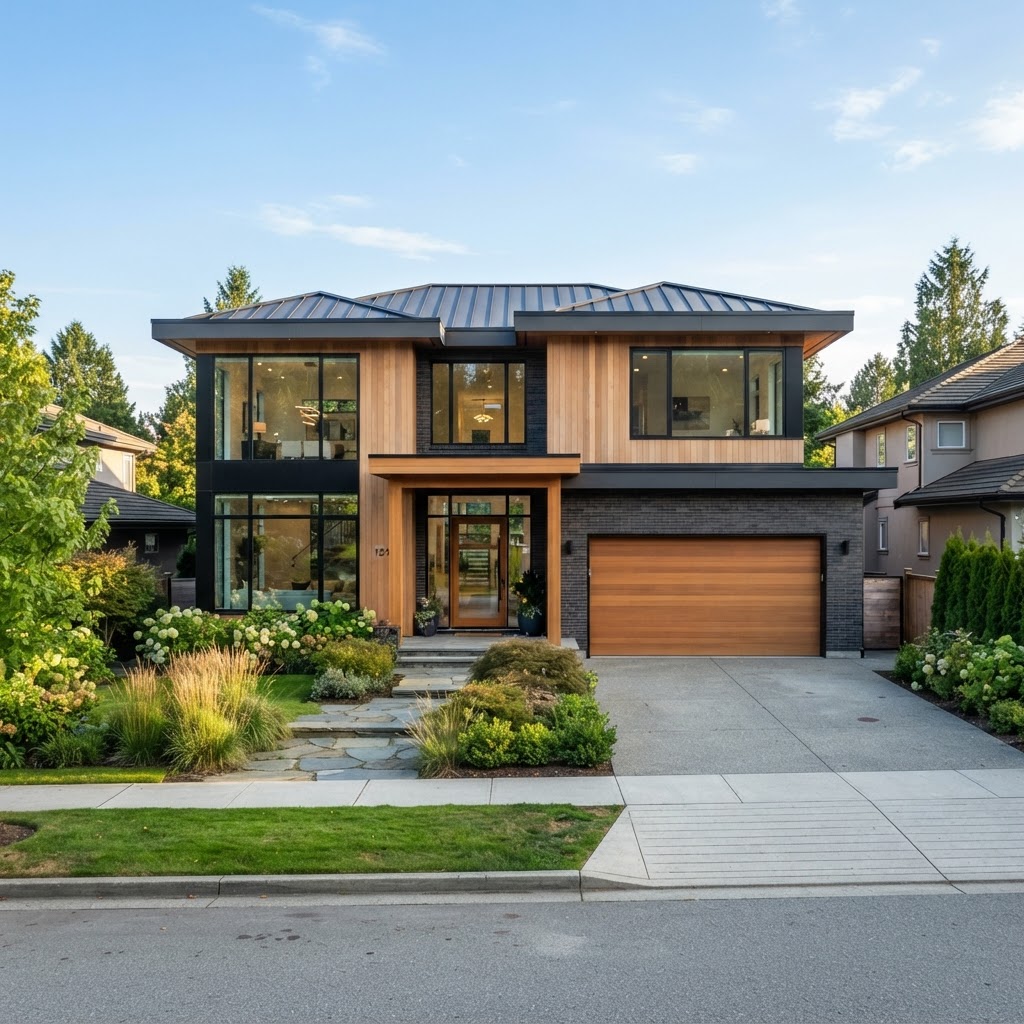
Understanding Canadian House Types: A Comprehensive Buyer's Guide
Navigating the Canadian real estate market requires understanding the difference between structural house types and ownership models. This guide breaks down common dwellings to help you make an informed decision for your next purchase.
Introduction to Canadian Housing
Buying a home in Canada is a significant milestone, but the terminology can be confusing. To make a smart investment, you must distinguish between the physical structure of the building and the legal form of ownership. Whether you are looking for a detached family home or a modern townhouse, understanding these categories is the first step in your journey. For personalized guidance, consult our AI Advisor.
Structural Types of Houses
In Canada, homes are generally classified by their physical structure. These classifications impact your privacy, maintenance responsibilities, and overall cost.
1. Detached Houses
A detached house stands on its own lot and does not share any walls with neighboring properties. These are highly sought after for the privacy and outdoor space they provide. Common styles include:
- Bungalows: Single-storey homes where all living areas are on one level.
- 2-Storey Homes: The most common detached style, separating living spaces on the main floor from bedrooms upstairs.
- Split-Level: Homes with multiple levels separated by short flights of stairs.
2. Semi-Detached Houses
Often called "semis," these properties share one common wall with another home. Each side is typically owned by a different person, and each has its own lot and deed. They offer a balance between the space of a detached home and the affordability of attached housing.
3. Townhouses (Row Houses)
Townhouses share walls on both sides (except for end units). While they share structure, they often provide private entrances and small yards. In some provinces, townhouses may be structured as condominiums, meaning you own the interior while a corporation manages the exterior.
4. Multi-Unit Dwellings
These include duplexes, triplexes, and fourplexes. These buildings contain multiple separate residential units. They are popular investment properties, as owners often live in one unit and rent out the others to offset mortgage costs.
The Importance of Ownership Types
It is critical to remember that house type is not the same as ownership type. You can have a detached house that is part of a condominium corporation (common in some planned communities).
- Freehold: You own the land and the structure. You are responsible for all maintenance and repairs.
- Condominium (Strata): You own your specific unit, but share ownership of common areas. You will pay monthly maintenance fees, which must be factored into your budget. Use our Calculators to see how these fees impact your debt-service ratios.
Regional Variations
Housing stock varies significantly across Canada:
- Greater Toronto Area: High density of condos and semi-detached homes.
- Montreal: Famous for its unique duplex and triplex architecture.
- Vancouver: High prevalence of strata-titled properties and laneway houses.
- Atlantic Canada: Predominantly single-detached housing.
Practical Tips for Buyers
- Assess Your Lifestyle: Do you want a large yard to maintain, or would you prefer a low-maintenance condo lifestyle?
- Check the Zoning: Before purchasing, ensure the property is zoned for your intended use, especially if you are looking at multi-unit dwellings.
- Get a Professional Inspection: Regardless of the house type, always perform a Health Check on the property's condition before finalizing your offer.
- Understand Financing: Lenders view different property types differently. A manufactured home on leased land, for example, may have different financing requirements than a standard freehold detached house.
For more in-depth information on the purchasing process, visit our Buying Guides or join the conversation in our Q&A Community. You can also explore our Resource Library for checklists and templates to assist in your search.
Related Articles
Related Questions
How Much House Can I Afford in Canada?
In Canada, you can typically afford a home priced at 4 to 5 times your gross annual household income, provided your tota...
60How Much Down Payment Do I Need in Canada?
The minimum down payment in Canada is 5% for homes under $500,000. For homes priced $500,001 to $999,999, you need 5% on...
40What are the best cities in Canada for real estate investment in 2024?
Top Canadian Cities for Real Estate Investment 1. Calgary, Alberta - Strong population growth - Relatively affordable...
521203Can I legally rent my basement apartment in Ontario?
Short Answer Yes, but only if it meets specific legal requirements. Requirements To legally rent a basement apartmen...
47892