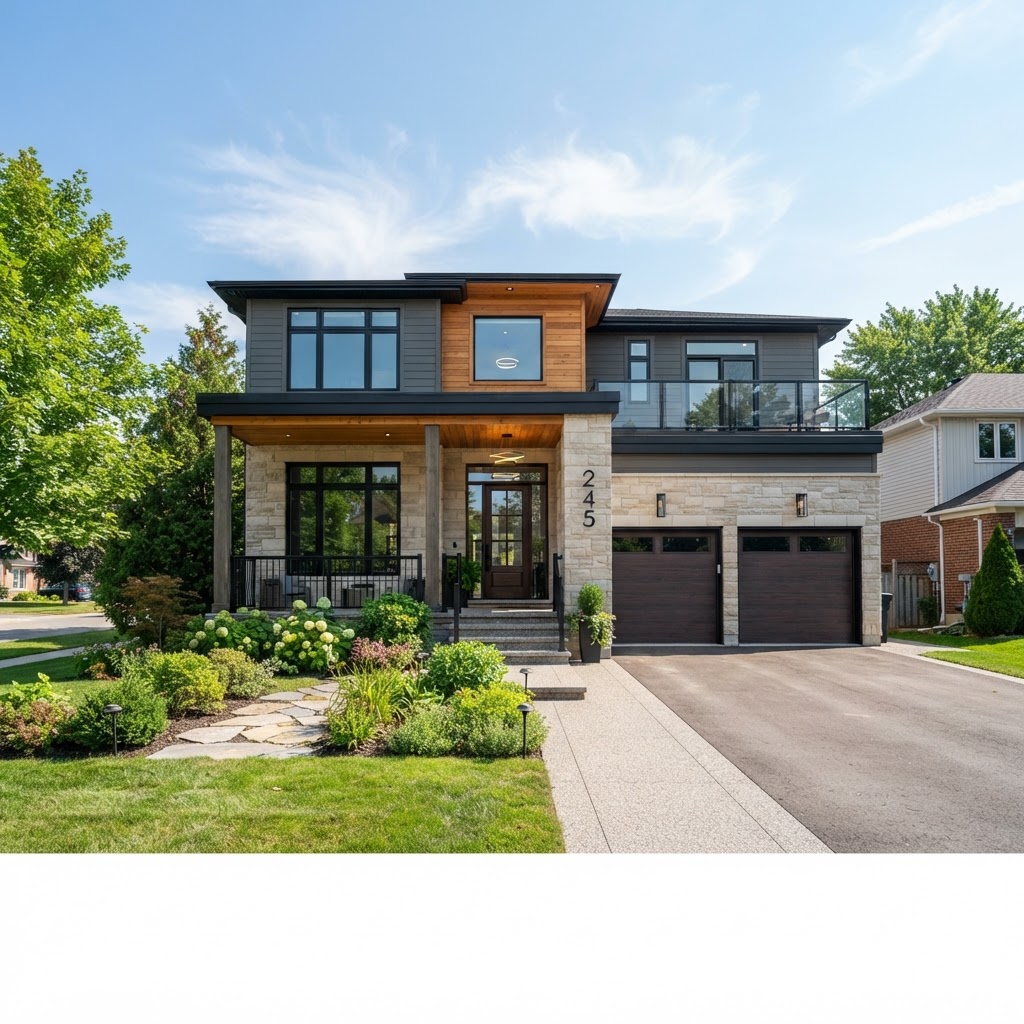
Buying a House in Canada: A Comprehensive Educational Guide
Navigate the Canadian housing market with confidence using this essential guide covering property types, financial preparation, and the buying process. Learn how to assess your budget and prepare for the responsibilities of homeownership across different provinces.
Understanding the Canadian Housing Market
Buying a house is one of the most significant financial decisions you will make. In Canada, the real estate landscape is diverse, ranging from dense urban centers like Toronto and Vancouver to more affordable markets in the Prairies and Atlantic provinces. Before you begin your search, it is vital to understand the different types of properties available and the financial commitment involved.
Common Types of Houses in Canada
- Detached Houses: Stand-alone structures that offer the most privacy and control over the property. You own both the building and the land it sits on.
- Semi-Detached Houses: Two homes that share a common wall. These are often more affordable than detached homes while still providing a private yard.
- Townhouses: Row houses that share side walls with neighbors. They are a popular middle-ground for first-time buyers.
- Plexes (Duplexes/Triplexes): Multi-unit properties that can serve as both a home and an investment, as you can rent out the additional units.
For a deeper dive into how these choices impact your lifestyle, visit our Resource Library.
Financial Preparation
Before viewing properties, you must understand your purchasing power. Use our Calculators to estimate your mortgage payments and determine what you can realistically afford.
Key Financial Considerations
- Down Payment: While the minimum down payment in Canada is 5% for the first $500,000, many buyers aim for 20% to avoid mortgage default insurance.
- Closing Costs: Budget an additional 1.5% to 4% of the purchase price to cover legal fees, land transfer taxes, and home inspection costs.
- Pre-Approval: Getting pre-approved by a lender provides a clear budget and shows sellers you are a serious buyer. If you are unsure where to start, consult our AI Advisor for personalized guidance.
The Buying Process
- Define Your Needs: Create a list of 'must-haves' versus 'nice-to-haves.' Consider proximity to work, schools, and public transit.
- Search and View: Use online listings to track market trends. When viewing homes, look beyond the staging to assess the condition of the roof, foundation, and electrical systems.
- Make an Offer: Once you find the right home, your real estate agent will help you draft an offer. This includes the purchase price, deposit, and conditions (such as financing or home inspection).
- Due Diligence: Always conduct a professional home inspection. It is a small price to pay to avoid major future repairs.
- Closing: Your lawyer will handle the title search, transfer of funds, and registration of the deed.
Provincial Variations
Real estate laws and taxes are primarily managed at the provincial level. For instance, Land Transfer Tax (LTT) varies significantly between provinces like Ontario and British Columbia. Always check local regulations regarding foreign buyer bans and non-resident speculation taxes, as these can impact your eligibility and costs. For specific questions about your region, join the conversation in our Q&A Community.
Maintaining Your Investment
Once you own a home, the work isn't over. Regular maintenance is key to preserving your property's value. Use our Health Check tool to keep track of your home's maintenance schedule and ensure you are staying on top of seasonal tasks.
For more detailed information on the entire journey, explore our other Buying Guides.

Related Articles

Related Questions
Should I refinance my mortgage in 2024?
When Refinancing Makes Sense Refinancing can be beneficial if: 1. Interest Rate Savings - Your current rate is signi...
28423How Much House Can I Afford in Canada?
In Canada, you can typically afford a home priced at 4 to 5 times your gross annual household income, provided your tota...
50What are the best cities in Canada for real estate investment in 2024?
Top Canadian Cities for Real Estate Investment 1. Calgary, Alberta - Strong population growth - Relatively affordable...
521203Can I legally rent my basement apartment in Ontario?
Short Answer Yes, but only if it meets specific legal requirements. Requirements To legally rent a basement apartmen...
47892