Understanding Canadian Housing Types: A Comprehensive Guide
Navigating the Canadian real estate market requires understanding the diverse range of housing options available. This guide breaks down common property types, ownership structures, and key considerations for prospective buyers across the country.
Introduction to Canadian Housing
Choosing the right home is one of the most significant financial and lifestyle decisions you will make. In Canada, the housing market offers a variety of property types, each with unique benefits, maintenance requirements, and price points. Whether you are a first-time buyer or looking to upgrade, understanding these differences is essential. Before you start your search, we recommend using our AI Advisor to help clarify your specific needs and preferences.
Common Types of Houses in Canada
Canada’s housing landscape is diverse, ranging from dense urban centers to sprawling suburban neighborhoods. Here are the most common types of homes you will encounter:
- Detached Houses: These are standalone structures that do not share walls with other buildings. They offer the most privacy and land ownership but typically come with a higher price tag and full responsibility for maintenance and property taxes.
- Semi-Detached Houses: These homes share one common wall with an adjacent property. They are often more affordable than fully detached homes while still providing a private yard and a sense of independence.
- Townhouses (Townhomes): These are rows of houses that share side walls. They are a popular "middle-ground" option, often offering more space than a condo but at a lower price point than a detached home. Note that some townhouses are part of a strata or condo corporation, which may involve monthly maintenance fees.
- Bungalows: A classic Canadian design, these are one-storey homes. They are highly sought after for their accessibility and ease of maintenance.
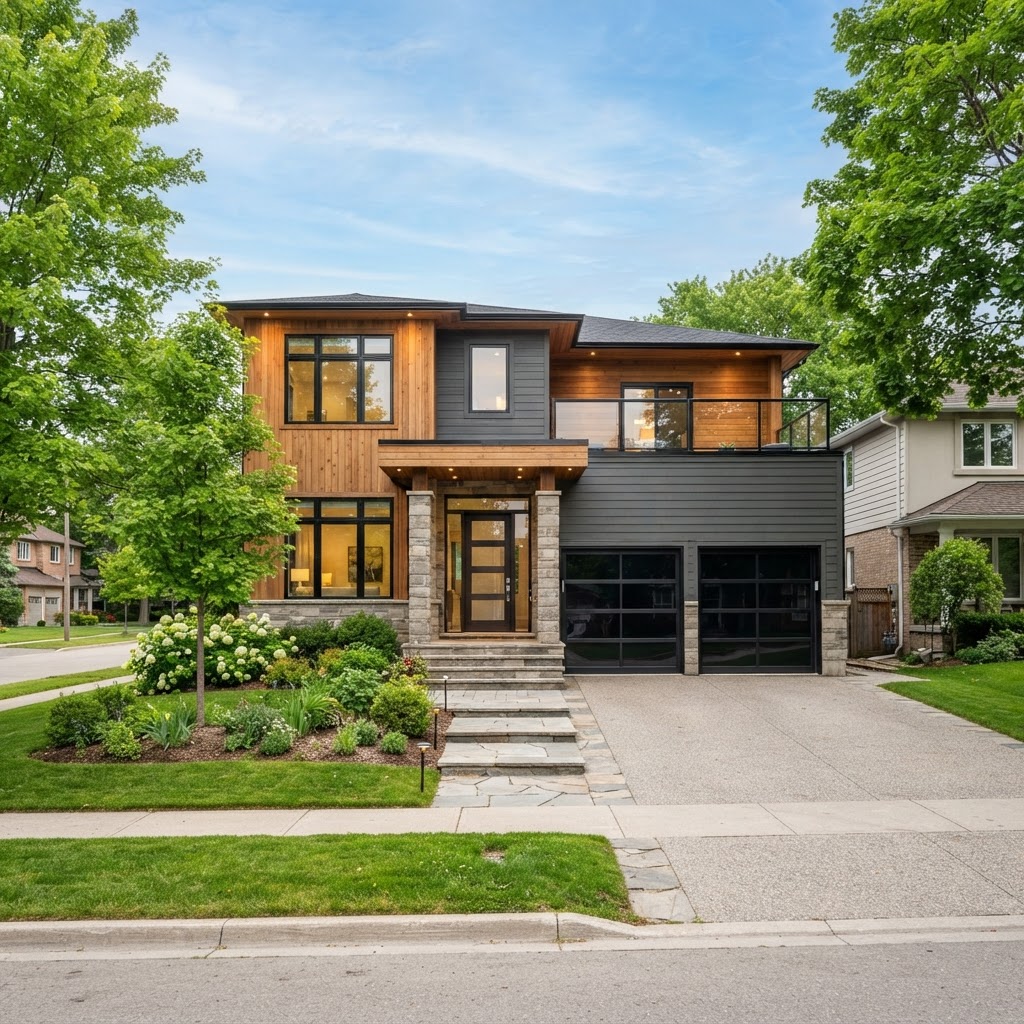
- Two-Storey Houses: The most common modern family home, these structures split living spaces on the main floor and sleeping quarters on the upper level.
Understanding Ownership Structures
In Canada, the form of ownership significantly impacts your rights and responsibilities as a homeowner.
- Freehold: You own the land and the structure outright. You are responsible for all maintenance, repairs, and property taxes. This is the most common form of ownership for detached and semi-detached homes.
- Condominium (Strata): You own your specific unit, but share ownership of common areas (like hallways, elevators, or recreational facilities) with other owners. You will pay monthly maintenance fees to cover the upkeep of these shared spaces.
Financial Considerations
Before you begin viewing properties, it is crucial to understand your financial health. Use our Calculators to estimate your mortgage affordability and monthly carrying costs.
- Gross Debt Service (GDS) Ratio: A key metric used by lenders. Generally, your monthly housing expenses (mortgage, taxes, heating, and 50% of condo fees) should not exceed 32% of your gross monthly income.
- Property Taxes: These are municipal taxes based on the assessed value of your home. Ensure you factor these into your long-term budget.
- Maintenance Costs: Even if you buy a freehold home, you must budget for ongoing repairs, landscaping, and snow removal.
Steps to Buying Your Home
- Assess Your Finances: Check your credit score and get pre-approved for a mortgage.
- Define Your Needs: Use our Health Check to evaluate your readiness for homeownership.
- Search and View: Work with a real estate professional to identify properties that match your criteria. You can find more tips in our Buying Guides.
- Make an Offer: Once you find the right home, your agent will help you draft a purchase agreement.
- Closing: This involves a legal process where ownership is transferred. Ensure you have a solicitor to handle the paperwork.
Expert Tips for Success
- Location Matters: Consider your commute, proximity to schools, and future neighborhood development.
- Ask Questions: If you are unsure about a specific property type or market trend, visit our Q&A Community to get insights from others.
- Stay Informed: The Canadian market is dynamic. Keep up to date by exploring our Resource Library for the latest guides and market insights.
By taking the time to understand these housing types and the associated financial commitments, you will be better prepared to make a confident decision in the Canadian real estate market.
Related Articles
Related Questions
What are the best cities in Canada for real estate investment in 2024?
Top Canadian Cities for Real Estate Investment 1. Calgary, Alberta - Strong population growth - Relatively affordable...
521203Can I legally rent my basement apartment in Ontario?
Short Answer Yes, but only if it meets specific legal requirements. Requirements To legally rent a basement apartmen...
47892Is this condo reserve fund healthy? How do I evaluate?
How to Evaluate a Condo Reserve Fund Step 1: Review the Reserve Fund Study Every condo corporation in Ontario must ha...
41578How much should I budget for annual home repairs?
The 1% Rule A widely-used guideline is to budget 1-2% of your home's value annually for maintenance and repairs. Exa...
35654