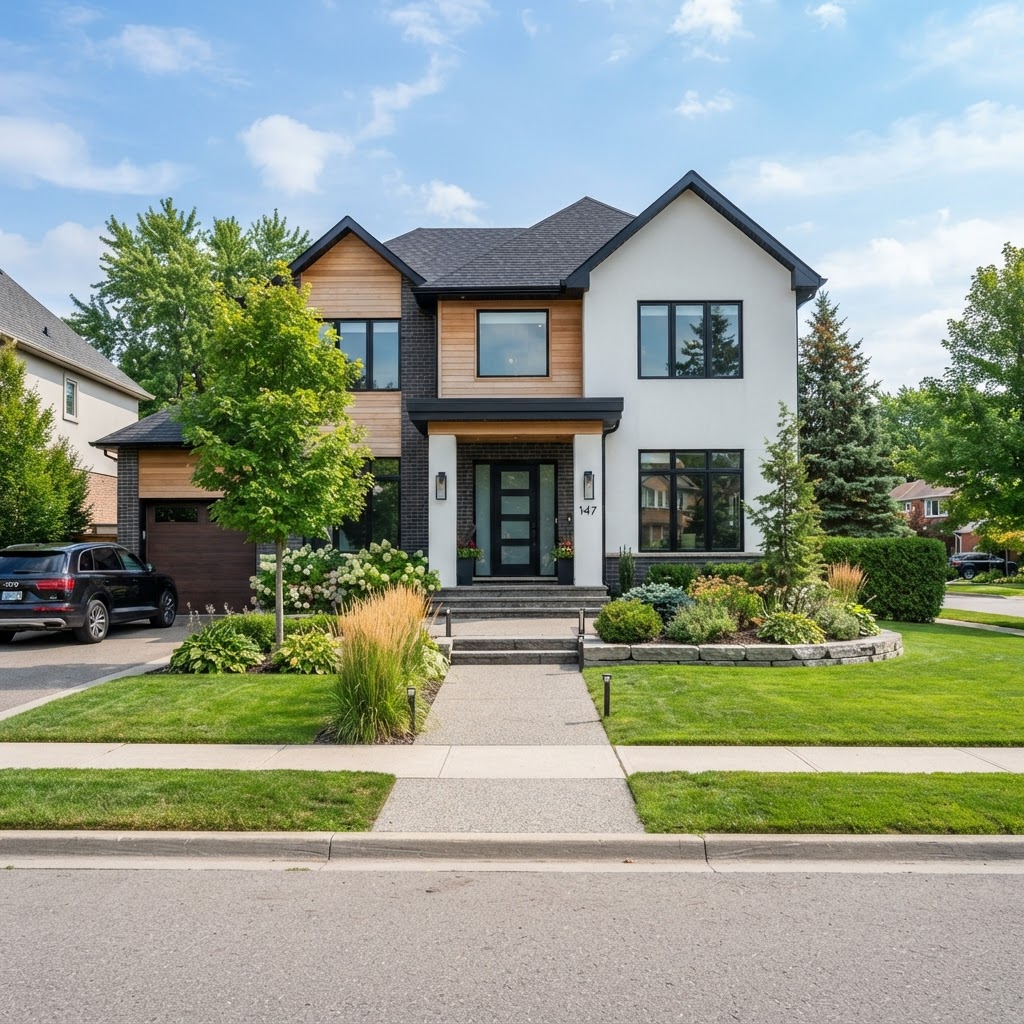
Buying a House in Canada: A Comprehensive Guide for Homebuyers
Navigate the Canadian housing market with confidence using this essential guide covering budgeting, financing, and the steps to homeownership. Learn how to manage costs and make informed decisions across different provinces.
Understanding the Canadian Housing Market
Buying a house in Canada is a significant milestone that requires careful planning and a clear understanding of both national regulations and provincial variations. Whether you are looking for a detached home, a townhouse, or a semi-detached property, the process involves several critical stages, from financial preparation to closing the deal.
1. Financial Preparation and Budgeting
Before you start browsing listings, you must establish a realistic budget. It is not just about the purchase price; you need to account for the total cost of ownership.
- Down Payment: The minimum down payment in Canada depends on the purchase price of the home. For homes under $500,000, the minimum is 5%. For the portion between $500,000 and $999,999, it is 10%. Homes over $1 million require a 20% down payment.
- Affordability Rules: A common rule of thumb is that your monthly housing costs (mortgage, property taxes, heating, and 50% of condo fees) should not exceed 32% of your gross monthly income. Use our Calculators to determine your specific borrowing power.
- Debt Service Ratios: Lenders look at your Gross Debt Service (GDS) and Total Debt Service (TDS) ratios to ensure you can manage your debt load.
2. Essential Upfront Costs
Beyond the down payment, you must budget for several one-time expenses:
- Home Inspection: Essential for identifying potential structural or mechanical issues. Costs typically range from $400 to $800.
- Appraisal Fees: Your lender may require an appraisal to confirm the property's value.
- Legal Fees: You will need a real estate lawyer or notary to handle the title transfer and closing documentation.
- Land Transfer Tax: Depending on your province and city, this can be a significant expense. Some regions offer rebates for first-time buyers.
3. The Buying Process
Follow these steps to ensure a smooth transaction:
- Get Pre-Approved: This gives you a clear budget and shows sellers you are a serious buyer.
- Hire Professionals: Work with a licensed real estate agent who understands your target market. They can provide insights into local zoning bylaws and neighborhood trends.
- View Properties: Use the AI Advisor to help narrow down your search criteria based on your lifestyle and financial goals.
- Make an Offer: Once you find the right home, your agent will help you draft an offer, which may include conditions like financing, inspection, or status certificate review.
4. Provincial and Regional Considerations
Real estate rules vary significantly across Canada. For instance, British Columbia has specific subject removal processes, while Quebec has unique requirements regarding the 'welcome tax' (land transfer duties). Always check the Resource Library for region-specific documentation.
5. Ongoing Ownership Costs
Once you own your home, your financial responsibilities continue:
- Property Taxes: These are paid to your municipality and vary by location.
- Maintenance and Repairs: Budget at least 1-2% of your home's value annually for upkeep.
- Insurance: Home insurance is mandatory for mortgage holders.
6. Next Steps
If you are just starting your journey, check out our Buying Guides for more detailed information on specific property types. If you have questions about your specific situation, join the Q&A Community to connect with other buyers and experts. Finally, perform a Health Check on your financial readiness before making your final move.
Related Articles
Related Questions
How Much House Can I Afford in Canada?
In Canada, you can typically afford a home priced at 4 to 5 times your gross annual household income, provided your tota...
50Should I refinance my mortgage in 2024?
When Refinancing Makes Sense Refinancing can be beneficial if: 1. Interest Rate Savings - Your current rate is signi...
28423How Much Down Payment Do I Need in Canada?
The minimum down payment in Canada is 5% for homes under $500,000. For homes priced $500,001 to $999,999, you need 5% on...
40What are the best cities in Canada for real estate investment in 2024?
Top Canadian Cities for Real Estate Investment 1. Calgary, Alberta - Strong population growth - Relatively affordable...
521203