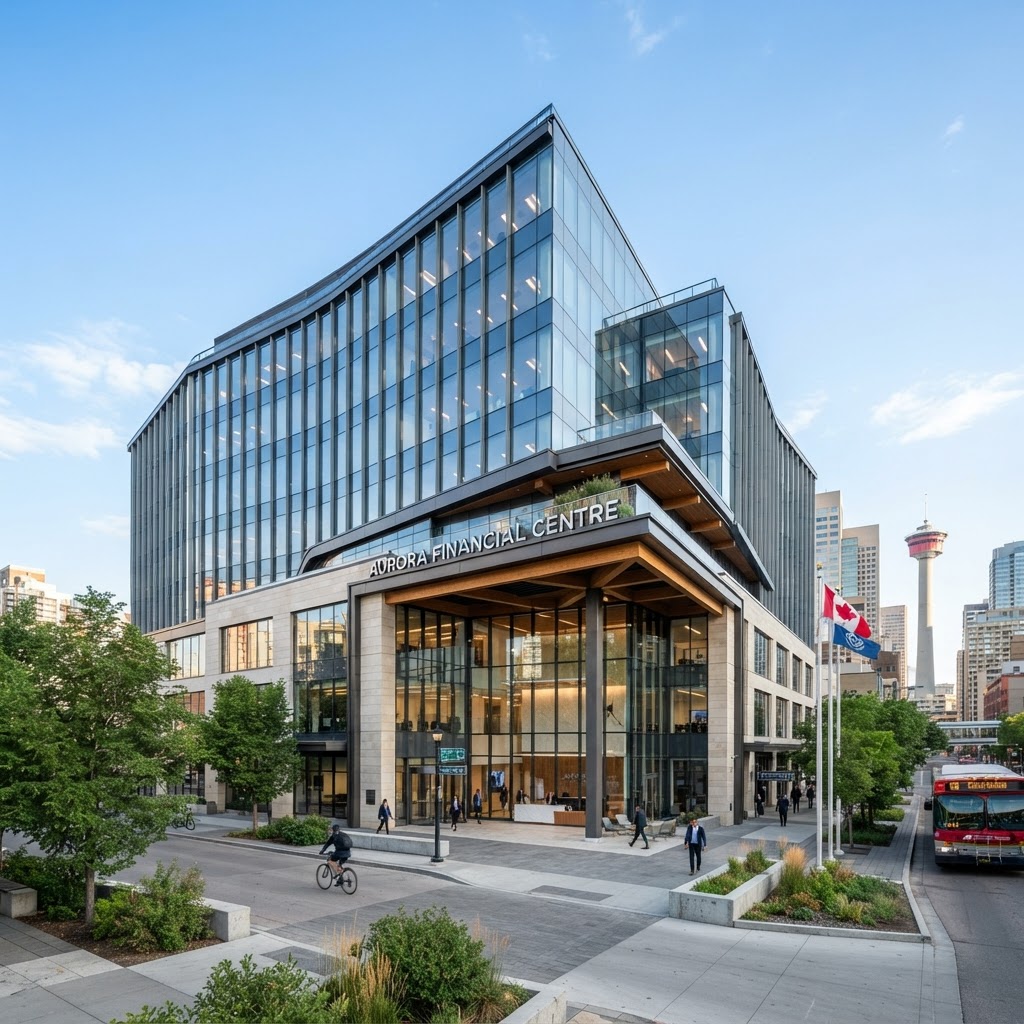
Buying Commercial Property in Canada: A Guide for Business Owners
A comprehensive guide to purchasing commercial real estate in Canada. Learn about property classes, financing requirements, and provincial zoning regulations to scale your business operations.
Introduction to Commercial Real Estate for Businesses
For many Canadian entrepreneurs, the transition from leasing a space to owning commercial real estate is a significant milestone. Owning your business premises offers stability, the potential for capital appreciation, and the ability to build equity rather than paying a landlord. However, the commercial market operates under a different set of rules than the residential sector. Whether you are looking for a storefront in Toronto, a warehouse in Calgary, or an office in Montreal, understanding the nuances of the Canadian market is essential. Before diving into listings, it is helpful to review our broader Buying Guides to understand the foundational steps of property acquisition.
Understanding Commercial Property Classes
Commercial real estate in Canada is generally categorized into four main types, each with its own risk profile and management requirements:
- Office Space: Often classified as Class A (premier buildings with high-end finishes), Class B (older but well-maintained), or Class C (functional but needing renovation). In cities like Vancouver and Toronto, Class A office space remains a high-demand asset for professional services.
- Retail: This includes everything from standalone buildings to shopping malls. Location is the primary driver here, as foot traffic and accessibility dictate the success of the business.
- Industrial: This sector includes warehouses, distribution centers, and manufacturing facilities. With the rise of e-commerce, industrial space in the Greater Golden Horseshoe and the Lower Mainland has seen significant growth.
- Multi-Family: While residential in nature, buildings with five or more units are treated as commercial investments in Canada.
Financing Your Business Property
Financing a commercial property is more complex than securing a residential mortgage. Most Canadian lenders require a down payment of 20% to 35%, depending on the property type and the strength of your business financials. Lenders will scrutinize your Debt Service Coverage Ratio (DSCR), which measures your business's ability to cover mortgage payments with its operating income.
Typical terms for commercial loans include shorter amortization periods (often 15 to 25 years) and interest rates that may be slightly higher than residential rates. You can use our Calculators to estimate your monthly payments and determine how much debt your business can comfortably carry. Additionally, the Business Development Bank of Canada (BDC) offers specialized programs for entrepreneurs that may provide higher loan-to-value ratios for owner-occupied properties.
Zoning and Permitted Use
One of the most critical steps in due diligence is verifying the zoning bylaws of a potential property. Zoning determines what activities are legally allowed on the site. In Canada, zoning is managed at the municipal level, and rules can vary significantly between cities like Edmonton and Halifax.
- Permitted Use: Activities that are allowed by right under the current zoning.
- Discretionary Use: Activities that may be allowed but require municipal approval and potentially a public hearing.
- Non-Conforming Use: A use that was legal when it started but no longer fits current zoning; these can be risky if you plan to renovate or expand.
If you are unsure if your business model fits a specific property's zoning, our AI Advisor can help you interpret common zoning terminology and prepare questions for your local planning department.
Provincial Variations in Real Estate Law
While much of commercial real estate is similar across the country, legal frameworks differ by province.
- Common Law Provinces: Most of Canada follows common law principles. In provinces like Ontario and Alberta, disputes over land use or development approvals are often handled by specialized tribunals (e.g., the Ontario Land Tribunal).
- Quebec: Real estate in Quebec is governed by the Civil Code of Quebec. This system is distinct and requires legal professionals familiar with civil law contracts and property rights.
- British Columbia: Unlike Ontario, BC does not have a specialized merit-based appeal tribunal for municipal decisions; challenges are typically handled through the court system on procedural grounds.
For a deeper dive into these legal distinctions, visit our Resource Library.
The Due Diligence Process
Before closing a deal, you must conduct thorough due diligence to protect your investment. This process should include:
- Environmental Site Assessment (ESA): A Phase I ESA is standard in Canada to check for historical contamination. If issues are found, a Phase II ESA involving soil and water testing may be required.
- Building Condition Assessment (BCA): A professional inspection of the structural, mechanical, and electrical systems.
- Financial Audit: If the property has existing tenants, you must review their leases, payment histories, and the property's operating expenses.
- Title Search: Ensuring there are no liens or encumbrances that could affect your ownership.
To ensure you haven't missed any critical steps, run a Health Check on your purchase plan to identify potential red flags.
Tax Implications: GST/HST and Capital Gains
Commercial property transactions in Canada are generally subject to GST or HST. However, if you are a GST/HST registrant and the property is for commercial use, you may be able to claim an Input Tax Credit (ITC) to offset the tax paid. It is also important to consider the tax implications of selling the property in the future, as capital gains taxes will apply. Consulting with a tax professional early in the process can save your business thousands of dollars.
Practical Tips for Business Buyers
- Think About Future Growth: Ensure the property has the capacity for your business to expand or can be easily modified.
- Consider the Triple Net Lease (NNN): If you are buying as an investment, understand that many commercial tenants pay for taxes, insurance, and maintenance in addition to base rent.
- Build a Local Team: Work with a commercial realtor, a specialized lawyer, and an accountant who understand the specific market dynamics of your city.
If you have specific questions about a local market or a unique property type, join the conversation in our Q&A Community to get insights from other Canadian business owners and experts.
Conclusion
Buying a property for your business is a long-term commitment that requires careful planning and expert advice. By understanding the classes of real estate, securing the right financing, and navigating the provincial legal landscapes, you can secure an asset that supports your business's growth for decades to come. Always perform your due diligence and leverage the tools available to ensure your investment is sound.

Related Articles

Related Questions
Should I lease or buy commercial space for my small business?
The lease vs. buy decision for your business depends on several key factors: When leasing makes sense: - Your business ...
00What are the best cities in Canada for real estate investment in 2024?
Top Canadian Cities for Real Estate Investment 1. Calgary, Alberta - Strong population growth - Relatively affordable...
521203What should I check before buying raw land in Canada for development?
Buying raw land for development requires thorough due diligence. Here's what to check: 1. Zoning and Official Plan - Co...
00Can I legally rent my basement apartment in Ontario?
Short Answer Yes, but only if it meets specific legal requirements. Requirements To legally rent a basement apartmen...
47892