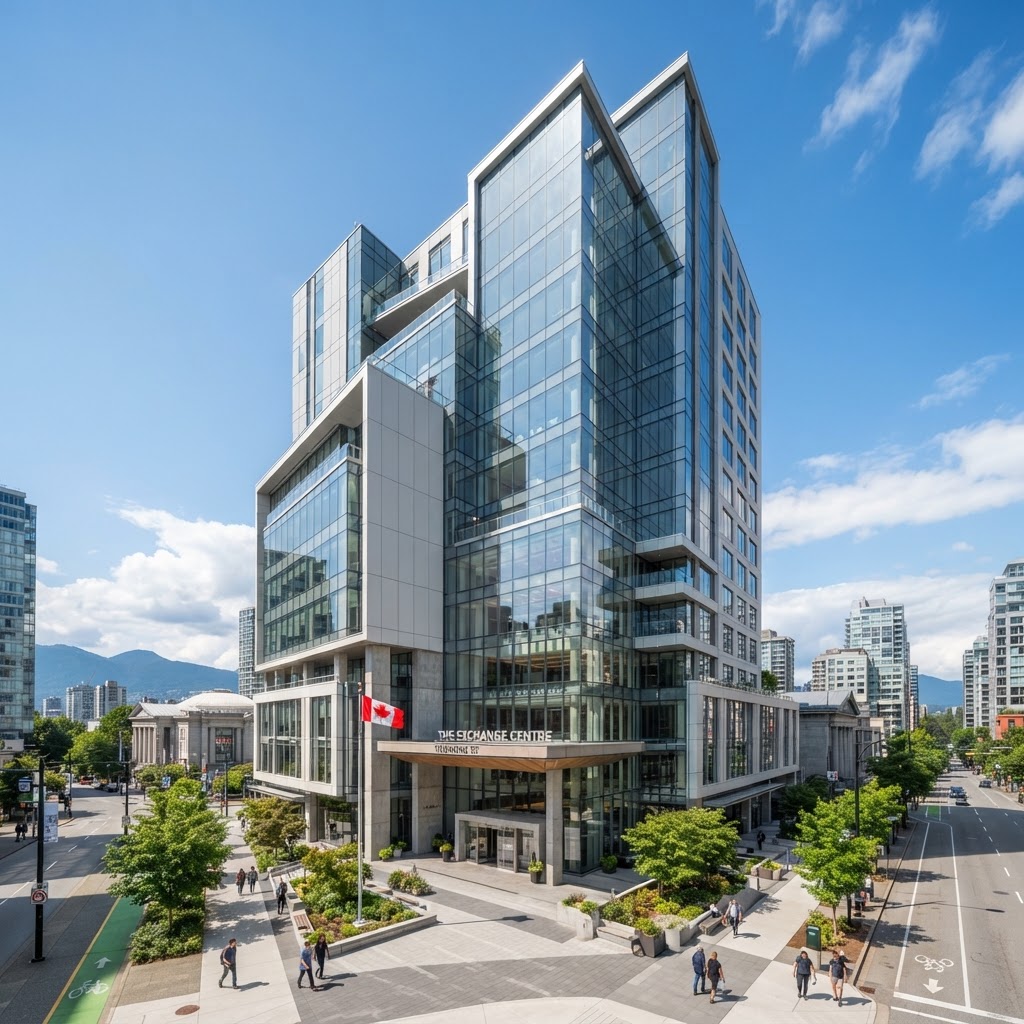
Buying Commercial Real Estate in Canada: The Ultimate Guide
Transitioning from residential to commercial real estate requires a shift in strategy, financing, and due diligence. This guide covers everything Canadian business owners and investors need to know about acquiring business property, from zoning laws to provincial regulations.
Introduction to Canadian Commercial Real Estate
Buying property for your business is a significant milestone that can transform your operational efficiency and long-term financial health. Unlike residential real estate, which is primarily driven by personal needs and emotional appeal, commercial real estate (CRE) is an asset class defined by its income-generating potential and utility for business operations. In Canada, the CRE market is diverse, ranging from high-density office towers in Toronto to sprawling industrial warehouses in Calgary and retail strips in Vancouver.
Whether you are an entrepreneur looking to stop paying rent or an investor seeking to build wealth, understanding the nuances of the Canadian market is essential. This guide will walk you through the asset classes, financing requirements, and the rigorous due diligence process required for a successful acquisition. For a broader look at the market, you can also explore our Buying Guides.
Defining the Four Main Asset Classes
In Canada, commercial real estate is generally categorized into four primary sectors, each with its own risk profile and market drivers:
- Industrial: This includes warehouses, distribution centers, and manufacturing facilities. According to recent market outlooks, the industrial sector remains a cornerstone of the Canadian economy, though it has seen some softening in vacancy rates recently.
- Retail: This covers everything from standalone fast-food buildings to large shopping malls. Retail fundamentals in Canada have remained surprisingly strong despite the rise of e-commerce.
- Office: The office market is currently in a state of stabilization as businesses navigate hybrid work models. Prime 'Class A' office spaces in major hubs like Montreal and Toronto continue to attract institutional interest.
- Multi-Family: In the commercial context, this refers to residential buildings with five or more units. This is often considered the most stable CRE asset class due to the high demand for rental housing across Canada.
Financing Your Business Property
Financing a commercial property is significantly different from getting a residential mortgage. Lenders, including major banks and the Business Development Bank of Canada (BDC), focus heavily on the property's ability to generate income rather than just the borrower's personal credit score.
Key Financial Metrics
- Loan-to-Value (LTV): While residential buyers might get away with 5% or 10% down, commercial lenders typically require 25% to 40% down.
- Debt Service Coverage Ratio (DSCR): This is the most critical metric. It measures the property's net operating income (NOI) against its debt obligations. Most Canadian lenders look for a DSCR of 1.2x to 1.5x. You can test your numbers using our Calculators.
- Interest Rates and Terms: Commercial loans often have shorter terms (5 to 10 years) and longer amortizations (20 to 25 years). Rates are usually higher than residential rates and are influenced by the 'prime rate' and bond yields.
The Critical Role of Zoning and Land Use
Before signing an Agreement of Purchase and Sale (APS), you must verify that your intended business use is permitted under local municipal bylaws. Zoning laws control exactly how land may be used and what structures can be built.
In Ontario, for example, the Planning Act gives municipalities the power to set zoning bylaws. If your business requires a 'change of use,' you may need to apply for a minor variance or a zoning amendment, which can be a lengthy and expensive process. If you are unsure about a specific property's potential, our AI Advisor can help clarify common zoning terminology.
Provincial Legal Frameworks and Variations
Real estate law in Canada is governed primarily at the provincial level, leading to significant variations across the country:
- Ontario: The Commercial Tenancies Act governs the relationship between landlords and tenants, but it is much less prescriptive than residential law, leaving most terms to be decided in the lease contract.
- British Columbia: BC has its own Commercial Tenancy Act. Additionally, BC has specific taxes like the Speculation and Vacancy Tax that may impact certain types of holdings.
- Quebec: Unlike the rest of Canada which follows Common Law, Quebec operates under the Civil Code, which has unique requirements for property transfers and 'hypothecs' (mortgages).
Tax Implications: GST/HST and Land Transfer Tax
One of the biggest surprises for first-time commercial buyers is the application of GST/HST. Unlike used residential homes, the sale of commercial property is generally subject to GST/HST. However, if the buyer is a GST/HST registrant, they can often 'self-assess' and claim an Input Tax Credit (ITC), effectively neutralizing the tax at the time of closing.
Land Transfer Taxes (LTT) also vary wildly. In Toronto, buyers pay both a provincial and a municipal land transfer tax, which can add tens of thousands of dollars to the closing costs. Always consult with a tax professional or check our Resource Library for closing cost templates.
The Due Diligence Checklist
Due diligence in commercial real estate is an exhaustive process that typically lasts 30 to 60 days. You should never waive conditions until the following are completed:
- Phase I Environmental Site Assessment (ESA): This is standard in Canada to ensure the land isn't contaminated from previous uses (like gas stations or dry cleaners). If issues are found, a Phase II (soil sampling) may be required.
- Building Condition Assessment (BCA): A professional engineer reviews the structural, mechanical, and electrical systems of the building.
- Financial Audit: Reviewing at least three years of the property’s income and expense statements, rent rolls, and existing leases.
- Title Search: Ensuring there are no liens, easements, or work orders against the property.
To keep track of your property's ongoing viability after purchase, consider using our Health Check tool.
Practical Tips for Success
- Hire a Specialist: Do not use a residential agent for a commercial deal. Commercial Realtors have access to specialized data (like CoStar or Altus) and understand complex lease structures.
- Factor in 'TMI': In commercial leases, tenants often pay Taxes, Maintenance, and Insurance (TMI) in addition to base rent. As an owner, you need to understand how these recoveries impact your NOI.
- Plan for Vacancy: Commercial properties can take much longer to lease than residential units. Ensure you have a capital reserve to cover the mortgage during turnover periods.
Conclusion
Buying commercial real estate in Canada is a sophisticated move that requires a dedicated team of professionals, including a commercial broker, a real estate lawyer, and a specialized accountant. While the barriers to entry are higher than residential investing, the rewards—including higher yields, professional tenants, and long-term stability—are significant.
If you have specific questions about a deal you're looking at, join the conversation in our Q&A Community to get insights from other Canadian business owners and experts.
Related Articles



Related Questions
Should I lease or buy commercial space for my small business?
The lease vs. buy decision for your business depends on several key factors: When leasing makes sense: - Your business ...
00What are the best cities in Canada for real estate investment in 2024?
Top Canadian Cities for Real Estate Investment 1. Calgary, Alberta - Strong population growth - Relatively affordable...
521203Can I legally rent my basement apartment in Ontario?
Short Answer Yes, but only if it meets specific legal requirements. Requirements To legally rent a basement apartmen...
47892Is this condo reserve fund healthy? How do I evaluate?
How to Evaluate a Condo Reserve Fund Step 1: Review the Reserve Fund Study Every condo corporation in Ontario must ha...
41578