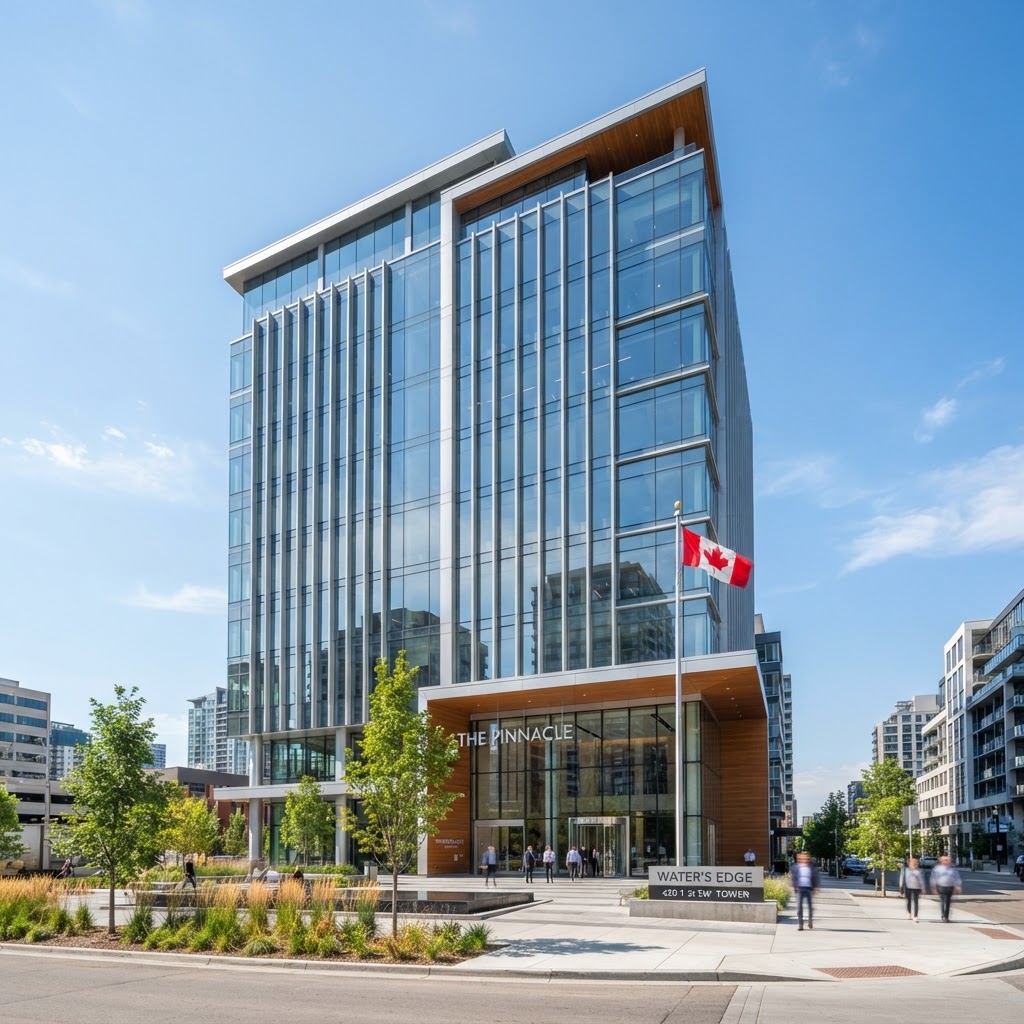
Investing in Canadian Commercial Real Estate: A Comprehensive Guide
Explore the fundamentals of commercial real estate in Canada, from understanding asset classes to mastering financial metrics like DSCR and cap rates. This guide provides essential insights for investors looking to navigate the Canadian market effectively.
Understanding the Canadian Commercial Real Estate Landscape
Commercial real estate (CRE) in Canada encompasses a diverse range of properties, including retail spaces, office buildings, industrial warehouses, and multi-family residential complexes. Unlike residential property, commercial investments are primarily driven by the income-generating potential of the asset. Whether you are a seasoned investor or just starting, understanding the nuances of the Canadian market is critical to your success.
If you are just beginning your journey, we recommend reviewing our Buying Guides to understand the foundational differences between residential and commercial acquisitions.
Key Asset Classes
Before diving into an investment, it is important to identify which sector aligns with your financial goals:
- Retail: Includes storefronts, shopping centres, and strip malls. Success here is highly dependent on location and foot traffic.
- Office: Ranges from downtown high-rises to suburban professional centres. This sector is currently evolving due to hybrid work trends.
- Industrial: Includes warehouses, distribution centres, and manufacturing plants. This sector has seen significant growth due to the rise of e-commerce.
- Multi-Family: Apartment buildings and complexes. These are often considered a hybrid between residential and commercial, offering stable, long-term rental income.
Essential Financial Metrics
To evaluate the viability of a commercial property, you must look beyond the purchase price. Use our Calculators to run your own projections based on these industry-standard metrics:
- Debt Service Coverage Ratio (DSCR): This compares a property's net operating income to its mortgage payments. A DSCR of 1.25 or higher is typically preferred by lenders, as it indicates the property generates 25% more income than is required to cover debt obligations.
- Cap Rate (Capitalization Rate): This measures the expected rate of return on an investment property. It is calculated by dividing the net operating income by the current market value of the property.
- Cash Flow: The net amount of cash remaining after all operating expenses and mortgage payments have been paid.
The Buying Process in Canada
Investing in commercial property involves a more rigorous due diligence process than residential buying. You should consider performing a Health Check on your financial readiness before approaching lenders.
- Due Diligence: Always conduct a thorough inspection of the property, including environmental assessments, zoning verification, and a review of existing lease agreements.
- Financing: Commercial mortgages often require larger down payments (typically 25-35%) and have different interest rate structures compared to residential mortgages.
- Legal Considerations: Consult with professionals who specialize in commercial real estate law to navigate provincial regulations, which can vary significantly between provinces like Ontario, British Columbia, and Alberta.
Tips for Success
- Leverage Data: Use our AI Advisor to analyze market trends and property data specific to your target city.
- Engage with the Community: Join our Q&A Community to connect with other investors and share experiences regarding property management and market shifts.
- Stay Informed: Regularly visit our Resource Library for updated guides on tax implications, zoning laws, and urban development trends across Canada.
Provincial Variations
While the principles of commercial investing are national, local factors play a huge role. For instance, property tax structures and municipal zoning bylaws differ greatly between cities like Toronto, Vancouver, and Montreal. Always research the specific municipal tax rates and development charges in your target area before finalizing an offer.
Related Articles

Related Questions
Should I lease or buy commercial space for my small business?
The lease vs. buy decision for your business depends on several key factors: When leasing makes sense: - Your business ...
00What are the best cities in Canada for real estate investment in 2024?
Top Canadian Cities for Real Estate Investment 1. Calgary, Alberta - Strong population growth - Relatively affordable...
521203Can I legally rent my basement apartment in Ontario?
Short Answer Yes, but only if it meets specific legal requirements. Requirements To legally rent a basement apartmen...
47892Is this condo reserve fund healthy? How do I evaluate?
How to Evaluate a Condo Reserve Fund Step 1: Review the Reserve Fund Study Every condo corporation in Ontario must ha...
41578