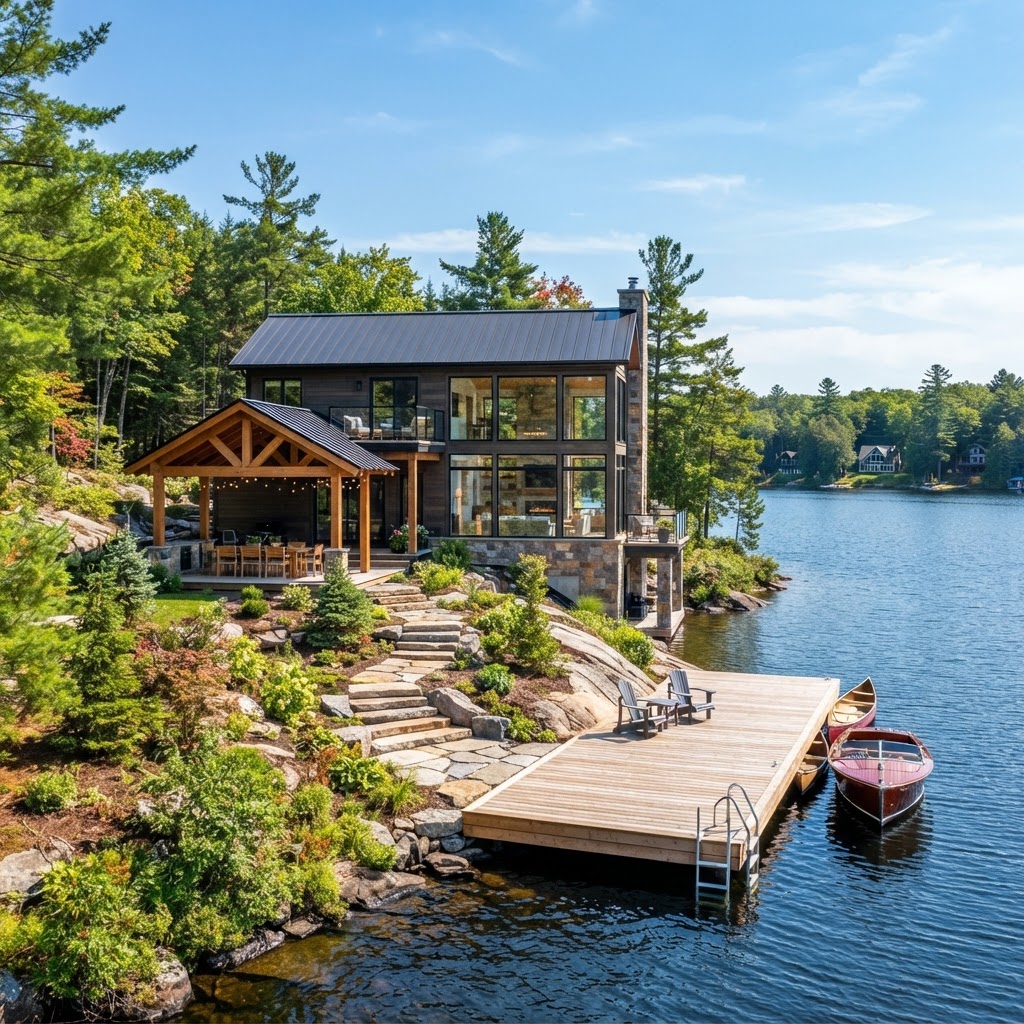
The Ultimate Guide to Buying and Owning a Cottage in Ontario
Discover the essential steps for purchasing a recreational property in Ontario, from navigating unique waterfront due diligence to managing long-term maintenance costs. This guide covers everything you need to know to make an informed investment in your dream getaway.
Introduction to Ontario Cottage Ownership
Owning a cottage in Ontario is a dream for many, offering a unique 'lifestyle dividend' that includes family memories, time in nature, and a potential future retirement home. However, buying a recreational property is fundamentally different from purchasing a primary residence in the city. Whether you are looking at the luxury estates of Muskoka or the accessible shores of Simcoe County, understanding the complexities of waterfront real estate is critical to your success.
Defining Your Cottage Goals
Before you start browsing listings, define what you need from your property:
- Seasonal vs. Four-Season: Seasonal cottages often have lower acquisition costs but require annual opening and closing procedures, such as draining pipes. Four-season properties offer year-round utility but come with higher heating, snow removal, and maintenance costs.
- Intended Use: Are you looking for a private family retreat, a short-term rental investment, or a future retirement home? Your goals will dictate the necessary infrastructure, such as winterized wells and reliable road access.
Financial Readiness and Financing
Financing a cottage is often more complex than a standard home mortgage. Lenders categorize recreational properties based on their features:
- Type A Properties: Traditional homes with year-round road access, permanent heat, and potable running water. These may qualify for lower down payments.
- Type B Properties: Seasonal dwellings without permanent heat or reliable water systems. These typically require larger down payments (often 10% to 20% or more).
Always consult with a mortgage broker experienced in recreational property before making an offer. Use our Calculators to model your monthly cash flow, keeping in mind that you must account for property taxes, insurance, and ongoing maintenance reserves.
The Due Diligence Checklist
Unlike city homes, cottages often rely on private systems that require specialized inspections. Never skip these steps:
- Septic Systems: This is the most critical inspection. A failing system is one of the most expensive repairs a cottage owner can face. Ensure the system is inspected for age, capacity, and condition.
- Water Supply: Determine if the property uses a well, lake intake, or another system. Always test water quality.
- Road Access: Confirm if the road is municipal, private, or seasonal. If it is private, clarify who is responsible for snow removal and maintenance costs.
- Shoreline Ownership: Verify if you own the shoreline or if it is a Crown-leased reserve. This significantly impacts your rights to build docks or boathouses.
- Zoning: Never assume you can expand, rebuild, or operate a short-term rental. Verify all permitted uses with the local municipality.
Ongoing Costs of Ownership
Beyond the purchase price, budget for the 'true cost' of ownership. Experts recommend setting aside 1-2% of the property's value annually for capital repairs. Key expenses include:
- Property Taxes: Waterfront properties are often assessed at a premium by the Municipal Property Assessment Corporation (MPAC).
- Maintenance: From dock repairs and tree management to seasonal opening and closing, maintenance is a constant requirement.
- Utilities: Hydro, heating (propane or oil), and internet costs can be higher in remote areas.
Seasonal Tips for Buyers
If you are buying in the off-season, use the winter to your advantage. You can observe how the road is plowed, how the building retains heat, and whether the pipes are protected from freezing. However, remember that snow can hide issues like shoreline erosion or septic bed damage, so plan for a follow-up inspection in the spring.
For more personalized advice, connect with our AI Advisor or join the conversation in our Q&A Community. You can also perform a Health Check on your financial readiness or explore our Resource Library for more in-depth guides on Buying Guides.
Conclusion
Buying a cottage is a significant investment that requires careful planning. By prioritizing land and waterfront quality over interior finishes and conducting thorough due diligence, you can ensure your cottage remains a source of joy rather than financial stress.

Related Articles
Related Questions
Can I legally rent my basement apartment in Ontario?
Short Answer Yes, but only if it meets specific legal requirements. Requirements To legally rent a basement apartmen...
47892What are the best cities in Canada for real estate investment in 2024?
Top Canadian Cities for Real Estate Investment 1. Calgary, Alberta - Strong population growth - Relatively affordable...
521203Is this condo reserve fund healthy? How do I evaluate?
How to Evaluate a Condo Reserve Fund Step 1: Review the Reserve Fund Study Every condo corporation in Ontario must ha...
41578How much should I budget for annual home repairs?
The 1% Rule A widely-used guideline is to budget 1-2% of your home's value annually for maintenance and repairs. Exa...
35654