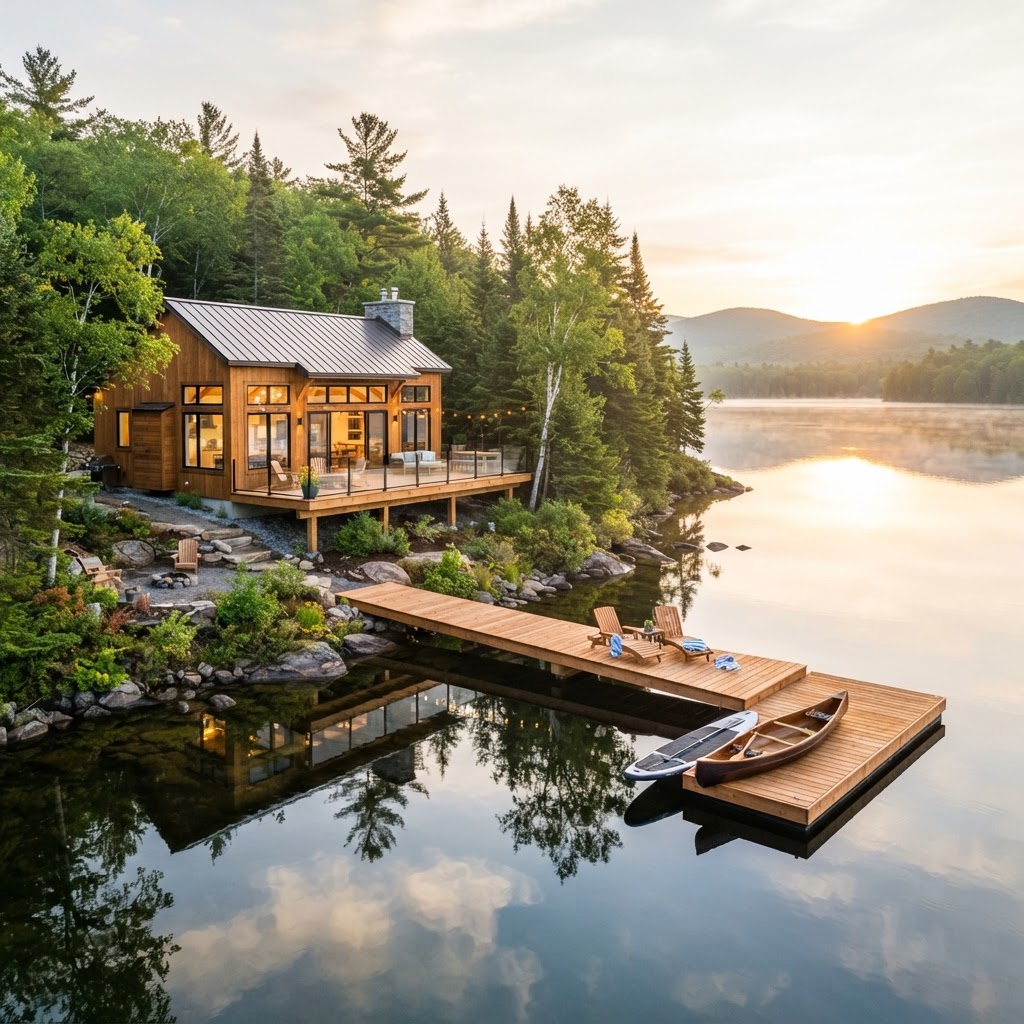
The Ultimate Canadian Cottage Buying Guide: Off-Grid, Waterfront & Costs
Navigate the complexities of purchasing a recreational property in Canada. Learn how seasonal access, septic systems, shoreline bylaws, financing differences, and maintenance costs impact your rural investment.
Purchasing a cottage or recreational cabin is a quintessential Canadian dream, offering an escape to nature, weekend retreats, and long-term family memories. However, buying a recreational property is vastly different from acquiring an urban home. From unmaintained private roads and off-grid utilities to distinct financing requirements and environmental shoreline setbacks, recreational real estate introduces unique hurdles.
Whether you are exploring Ontario's Canadian Shield, British Columbia's coastal inlets, or Alberta's foothill retreats, this guide details essential considerations before closing on your dream getaway. Before making an offer, examine our foundational Buying Guides and run the numbers through our interactive Calculators.
1. 3-Season vs. 4-Season: Know What You Are Buying
Cottages generally fall into two broad classifications that influence both practical usability and financing terms:
- 3-Season Cottages: Built primarily for spring through fall, these properties typically lack modern thermal insulation, have exposed crawl spaces, and rely on seasonal surface water lines that must be drained before freezing. While often more affordable initially, retrofitting them for winter living requires substantial investment in insulation, foundation skirting, and frost-protected plumbing.
- 4-Season Cottages: Designed for year-round habitation with fully insulated walls, permanent heating systems (e.g., forced air, radiant in-floor, or certified wood stoves), and deeply trenched frost-free water lines.
Lenders often view 3-season properties as higher risk, frequently requiring down payments of 20% to 35%, whereas winterized 4-season homes can often be financed under standard residential mortgage guidelines. Use our Calculators to explore how differing down payment tiers change your carrying costs.
2. Access Roads and Year-Round Usability
Reaching your property sounds straightforward until winter sets in or spring mud season begins. Verify the exact legal status of access:
- Municipally Maintained Roads: Plowed and maintained by local townships using tax revenue. This provides the most dependable, four-season access.
- Private Roads & Rights-of-Way: Maintained collectively by area cottagers. You will need to confirm whether a formal Road Maintenance Agreement exists, how winter snow removal is funded, and if your deed contains a registered right-of-way easement.
- Water-Access Only: Accessible purely by boat or snowmobile. While providing unparalleled tranquility, water-access properties introduce logistics challenges for building supplies, emergency services, waste disposal, and propane delivery, which also dampens resale liquidity.
3. Water Systems and Septic Inspections
Urban buyers accustomed to municipal water and sewage must prepare for rural utility management:
- Drinking Water Source: Cottages rely on drilled wells, dug wells, or lake-drawn systems. Always include a condition in your purchase agreement requiring a potability test for bacterial contamination (such as E. coli and coliforms) and flow-rate testing. For lake-drawn setups, factor in the cost of sediment filters and UV purification systems.
- Septic Systems: A failing septic system can cost $15,000 to $40,000+ to replace depending on bedrock depth and environmental buffer zones. Never purchase without a dedicated septic inspection that includes pumping the tank, camera-scoping baffles, and checking the leaching bed for saturation.
If you want tailored advice on inspection contingencies, consult our AI Advisor or connect with seasoned owners in the Q&A Community.
4. Shoreline Ownership and Riparian Rights
Owning waterfront property does not necessarily mean you own right down to the water's edge:
- Crown Shoreline Reserves: In Ontario and several other provinces, a 66-foot shoreline road allowance was historically reserved by the Crown along navigable waterways. If this allowance has not been formally purchased ("closed and purchased") from the local municipality, your structures or docks may sit on municipal property.
- Dock and Boathouse Bylaws: Conservation authorities and provincial ministries enforce strict environmental protections over littoral zones and fish habitats. Adding or extending a dock often requires municipal permits and provincial review. Check our Resource Library for rural compliance checklists.
5. Ongoing Cottage Carrying Costs
Many buyers evaluate the mortgage payment but overlook ongoing carrying expenses that run significantly higher than urban homes:
- Specialty Insurance: Insuring remote properties with wood-burning stoves, water-access constraints, or volunteer fire departments carries higher premiums.
- Private Road Dues: Annual road association fees can range from $300 to upwards of $2,000 annually.
- Hydro and Winter Heating: Heating an older cottage with baseboard heaters or delivered propane during harsh Canadian winters can easily exceed $500 to $800 per month.
- Preventative Maintenance: Lakefront humidity, seasonal freeze-thaw cycles, and wildlife intrusions require continuous upkeep.
Before making an unconditional commitment, assess the overall health of your property deal using the Health Check tool.
Summary Checklist for Buyers
- [ ] Check municipal road maintenance schedules and private road agreements.
- [ ] Conduct comprehensive septic and water potability tests.
- [ ] Confirm shoreline reserve ownership and municipal zoning setbacks.
- [ ] Secure pre-approval accounting for non-standard property types.
- [ ] Verify fire department proximity and obtain an insurance binder quote early.
With proper due diligence, your Canadian recreational retreat will remain a safe, appreciating asset and a family sanctuary for decades to come.
Related Articles
Related Questions
What are the best cities in Canada for real estate investment in 2024?
Top Canadian Cities for Real Estate Investment 1. Calgary, Alberta - Strong population growth - Relatively affordable...
521203Can I legally rent my basement apartment in Ontario?
Short Answer Yes, but only if it meets specific legal requirements. Requirements To legally rent a basement apartmen...
47892Is this condo reserve fund healthy? How do I evaluate?
How to Evaluate a Condo Reserve Fund Step 1: Review the Reserve Fund Study Every condo corporation in Ontario must ha...
41578How much should I budget for annual home repairs?
The 1% Rule A widely-used guideline is to budget 1-2% of your home's value annually for maintenance and repairs. Exa...
35654