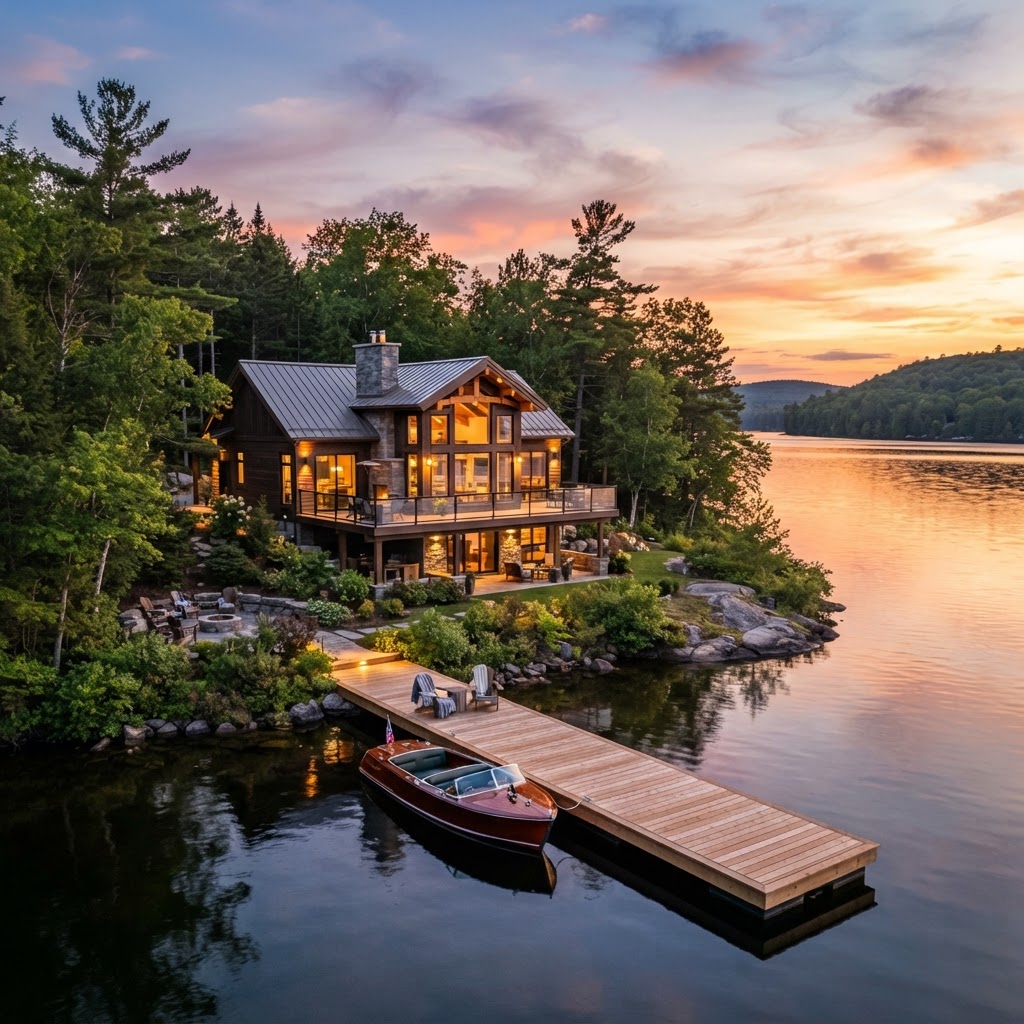
Buying a Cottage in Canada: The Ultimate Recreational Property Guide
A comprehensive guide to navigating the Canadian cottage market, covering regional terminology, financing nuances, and the hidden costs of seasonal property ownership.
The Canadian Dream: Owning a Piece of the Wilderness
For many Canadians, owning a cottage is more than just a real estate investment; it is a rite of passage and a sanctuary from urban life. Whether it is a lakeside retreat in Ontario’s Muskoka region, a mountain cabin in British Columbia, or a 'camp' in New Brunswick, the allure of the wilderness is a fundamental part of the national identity. However, purchasing a recreational property involves significantly different considerations than buying a primary residence. From unique financing requirements to seasonal maintenance challenges, this guide provides the essential knowledge needed to make an informed purchase. Before you dive in, it is wise to consult our Buying Guides to understand how recreational properties fit into a broader real estate portfolio.
Regional Terminology: Is it a Cottage, Cabin, or Camp?
One of the first things a prospective buyer will notice is that the term 'cottage' is not universal across Canada. According to Loyal Homes, terminology is highly regional and can affect how you search for listings on the MLS.
- Cottage: The standard term in Southern and Eastern Ontario, as well as Nova Scotia.
- Cabin: Predominantly used in British Columbia, Newfoundland, Alberta, and Saskatchewan.
- Camp: The preferred term in Northern Ontario and New Brunswick.
- Chalet: Almost exclusively used in Quebec to describe mountain or ski-focused retreats.
- Bungalow: Specifically used in parts of Cape Breton to describe what others would call a cottage.
Understanding these nuances is critical for your search strategy. If you are looking for a retreat in the Kootenays, searching for a 'cottage' might cause you to miss out on the perfect 'cabin.'
Financing Your Recreational Retreat
Financing a cottage is often more complex than financing a standard home. Lenders typically categorize recreational properties into two types:
- Type A (Year-Round Access): These are properties with permanent foundations, year-round road access, and a reliable heat source. They are often treated similarly to primary residences regarding down payments and interest rates.
- Type B (Seasonal Access): These properties may lack a permanent heat source, have seasonal road access (e.g., unplowed in winter), or be water-access only. Lenders often require higher down payments (often 20-35%) and may charge higher interest rates for these properties.
Before making an offer, use our Calculators to determine how a second mortgage will impact your debt-to-income ratio. Many buyers also choose to leverage the equity in their primary residence to fund a cottage purchase. For personalized financial strategies, you can chat with our AI Advisor.
The True Cost of Ownership: Beyond the Purchase Price
As noted by RE/MAX Canada, the sticker price is only the beginning. Cottage ownership comes with unique 'hidden' costs that can surprise the uninitiated:
- Septic and Well Maintenance: Most cottages are not on municipal services. You will be responsible for pumping the septic tank every 3-5 years and ensuring your well water is potable.
- Property Taxes and Local Levies: Some 'unorganized townships' have lower taxes but fewer services, while popular areas like Muskoka or the Okanagan have taxes comparable to major cities.
- Road Access Fees: If your cottage is on a private road, you may be required to pay an annual fee for grading and snow removal.
- Insurance Premiums: Seasonal properties are higher risk for insurers due to periods of vacancy. According to TD Insurance, many seasonal policies are 'Named Perils' only, meaning they only cover specific events like fire, rather than 'All Risks.'
Provincial Market Variations
The Canadian cottage market is not a monolith. Recent data from Better Dwelling shows that while Ontario and British Columbia saw significant price corrections in 2024, markets in Alberta and Saskatchewan have remained resilient.
- Ontario: The 'Muskoka Effect' continues to drive high prices, but areas like the Land O' Lakes or the Bruce Peninsula offer more affordable alternatives.
- British Columbia: Waterfront property in the Okanagan or the Gulf Islands remains some of the most expensive in the country, often subject to the Speculation and Vacancy Tax.
- Atlantic Canada: Nova Scotia and New Brunswick offer some of the most accessible waterfront prices, though buyers must be wary of coastal erosion and rising sea levels.
Essential Maintenance and Winterization
Maintaining a cottage requires a seasonal mindset. In the spring, you must inspect for winter damage, such as roof leaks from ice dams or dock damage from shifting ice. In the autumn, 'winterizing' is a mandatory ritual for seasonal properties. This includes:
- Draining Pipes: To prevent freezing and bursting, all water must be drained from the plumbing system.
- Securing the Perimeter: Ensuring windows are shuttered and food is removed to prevent wildlife (like mice or bears) from entering.
- Dock Management: In many Canadian lakes, docks must be pulled out of the water or bubblers must be installed to prevent ice damage.
For a full checklist of seasonal tasks, visit our Resource Library. If you are unsure about the structural integrity of a potential purchase, our Health Check tool can help you identify red flags before you sign.
Rental Potential and Tax Implications
Many owners look to offset their carrying costs by renting their cottage on platforms like Airbnb or through local agencies. While Cottage Vacations notes that rental income can cover a significant portion of annual expenses, it also brings tax obligations. Rental income is taxable, and changing a property from personal use to a rental can trigger 'change in use' rules with the CRA, potentially impacting your principal residence exemption. Always consult with the Q&A Community to see how other owners manage their rental properties and tax filings.
Conclusion
Buying a cottage is a journey toward a different pace of life. By understanding the regional differences, preparing for the unique financial hurdles, and committing to the rigors of seasonal maintenance, you can ensure your retreat remains a source of joy rather than stress. Whether you are looking for a rustic 'camp' or a luxury 'chalet,' the key is due diligence and a clear understanding of the long-term commitment involved.
Related Articles
Related Questions
What are the best cities in Canada for real estate investment in 2024?
Top Canadian Cities for Real Estate Investment 1. Calgary, Alberta - Strong population growth - Relatively affordable...
521203Can I legally rent my basement apartment in Ontario?
Short Answer Yes, but only if it meets specific legal requirements. Requirements To legally rent a basement apartmen...
47892Is this condo reserve fund healthy? How do I evaluate?
How to Evaluate a Condo Reserve Fund Step 1: Review the Reserve Fund Study Every condo corporation in Ontario must ha...
41578How much should I budget for annual home repairs?
The 1% Rule A widely-used guideline is to budget 1-2% of your home's value annually for maintenance and repairs. Exa...
35654