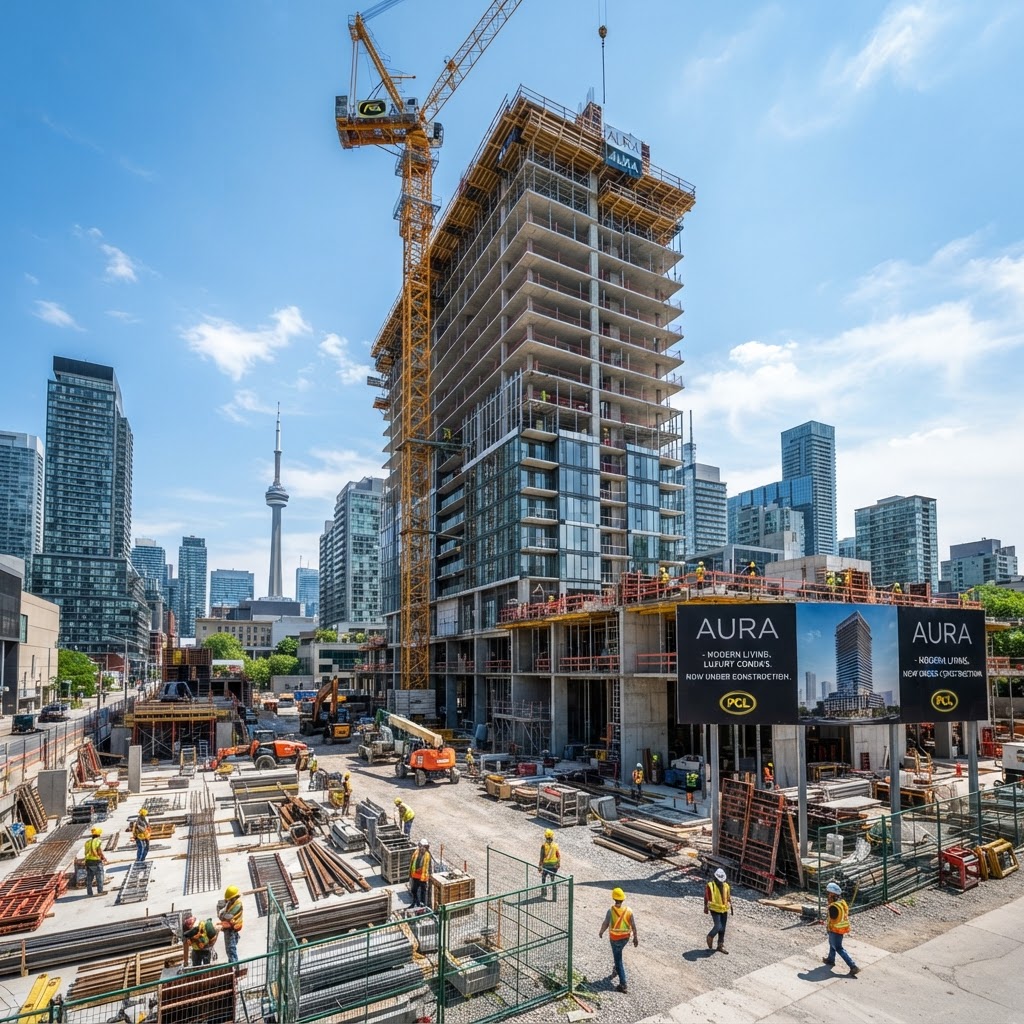
Buying Pre-Construction in Canada: A Complete Buyer's Guide
Purchasing a home before it is built offers unique opportunities for customization and potential appreciation, but it comes with distinct risks and financing requirements. This guide covers everything from the cooling-off period to interim occupancy to help you navigate the pre-construction market safely.
Understanding Pre-Construction Real Estate
Buying pre-construction means purchasing a property—whether a condo, townhouse, or detached home—before it has been fully constructed. Unlike resale properties, you are buying from a developer based on floor plans, renderings, and model homes. While this allows for modern finishes and potential equity growth, it requires a different approach to due diligence and financing.
The 10-Day Cooling-Off Period
One of the most critical protections for Canadian buyers is the "cooling-off period." In Ontario, for example, you have 10 calendar days after signing the Agreement of Purchase and Sale to review the contract and decide if the purchase is right for you. During this time, it is essential to have a real estate lawyer review your documents. Use our Resource Library to find checklists for what to look for in these agreements.
Key Risks to Consider
Before committing, you must understand the inherent risks of buying property that does not yet exist:
- Construction Delays: Timelines can shift due to labor shortages, supply chain issues, or permit delays.
- Financing at Closing: You qualify for your mortgage at the time of final closing, not when you sign the contract. If interest rates rise or your financial situation changes, you may face challenges securing funding.
- Market Fluctuations: Property values can change significantly between the time of purchase and the time of completion.
- Maintenance Fee Estimates: Developers provide estimates for condo fees, which often rise once the building is registered and the actual costs of operations are realized.
The Financial Process
Deposits
Unlike resale homes, pre-construction deposits are typically paid in installments over several months or years. Expect to provide a total deposit of 20% of the purchase price, though this can vary by project and developer.
Interim Occupancy
For condos, you may experience an "interim occupancy" period. This is when the building is safe to live in, but not yet registered as a condominium corporation. You will pay an occupancy fee to the builder, which acts like rent, until the final closing occurs. Use our Calculators to estimate your monthly costs during this phase.
Due Diligence Checklist
- Verify the Builder: Always check the provincial builder directory (such as the HCRA in Ontario) to ensure the developer is licensed and has a solid track record.
- Review the Disclosure Statement: This document contains vital project details, including potential risks and timelines.
- Consult a Professional: Never sign a pre-construction contract without legal counsel. You can also consult our AI Advisor for general guidance on what questions to ask your lawyer.
- Assess Your Financial Health: Use our Health Check to ensure your debt-to-income ratio is prepared for the long-term commitment of a pre-construction purchase.
Provincial Variations
While many principles are national, regulations vary by province. For instance, the length of the cooling-off period differs (e.g., 10 days in Ontario vs. 7 days in British Columbia). Always research the specific consumer protection laws in your province before signing.
Next Steps
If you are feeling overwhelmed, remember that you don't have to navigate this alone. Join our Q&A Community to see what other buyers are asking, or explore our broader Buying Guides to compare pre-construction with resale options. Being informed is your best defense against the complexities of the new-build market.
Related Articles
Related Questions
What are the best cities in Canada for real estate investment in 2024?
Top Canadian Cities for Real Estate Investment 1. Calgary, Alberta - Strong population growth - Relatively affordable...
521203Can I legally rent my basement apartment in Ontario?
Short Answer Yes, but only if it meets specific legal requirements. Requirements To legally rent a basement apartmen...
47892Is this condo reserve fund healthy? How do I evaluate?
How to Evaluate a Condo Reserve Fund Step 1: Review the Reserve Fund Study Every condo corporation in Ontario must ha...
41578How much should I budget for annual home repairs?
The 1% Rule A widely-used guideline is to budget 1-2% of your home's value annually for maintenance and repairs. Exa...
35654