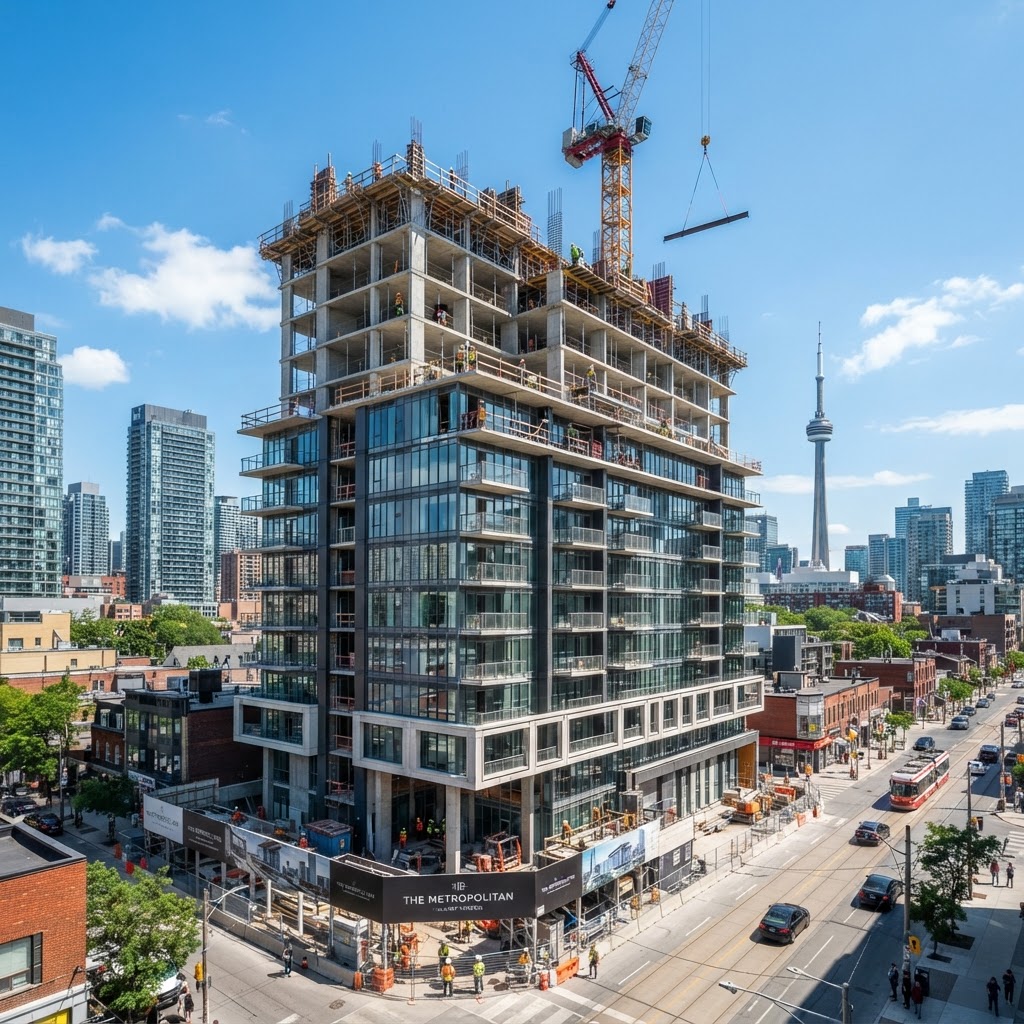
The Ultimate Guide to Buying Pre-Construction Real Estate in Canada
Master the complexities of the Canadian pre-construction market, from understanding deposit structures and provincial cooling-off periods to navigating interim occupancy and final closing costs.
Introduction to Pre-Construction in Canada
Buying a pre-construction property—whether it is a high-rise condo in Toronto, a townhouse in Vancouver, or a detached home in Calgary—is a fundamentally different experience than buying a resale home. In a pre-construction transaction, you are essentially purchasing a promise: the developer agrees to build a specific unit based on floor plans and architectural renderings, and you agree to pay for it upon completion. This path offers unique advantages, such as modern energy-efficient features and the ability to customize finishes, but it also requires a deep understanding of the legal and financial frameworks that govern new builds in Canada. Before diving in, it is wise to use an AI Advisor to evaluate how a new build fits into your long-term portfolio.
The Pre-Construction Lifecycle: From Signing to Keys
The journey of a pre-construction home typically spans three to five years. Understanding these stages is critical for planning your move and your finances:
- The Platinum/VIP Launch: Developers often release units to top-tier agents before the general public. This is when prices are lowest and floor plan selection is highest.
- The Agreement of Purchase and Sale (APS): You sign the contract and provide the initial deposit (often $5,000 to $10,000). This triggers the provincial cooling-off period.
- The Cooling-Off Period: A mandatory window where you can cancel the contract without penalty. In Ontario, this is 10 days; in British Columbia, it is 7 days. During this time, you should have a lawyer review the APS and use Calculators to ensure the total cost remains within your budget.
- Construction Phase: The developer reaches a sales threshold (usually 70-80%) to secure construction financing and begins breaking ground.
- Interim Occupancy (Condos Only): You move into your unit once it is habitable, but you do not yet own it. You pay an occupancy fee to the developer until the building is officially registered.
- Final Closing: The building is registered with the land registry office, your mortgage kicks in, and ownership is transferred to you.
Financials: The Deposit Structure vs. Resale
Unlike the resale market, where a 5% to 20% down payment is paid upfront, pre-construction uses a staggered deposit structure. This allows buyers to save over time, but it requires significant liquid capital. A typical Canadian deposit structure might look like this:
- Initial Deposit: $5,000 - $10,000 with the offer.
- 30 Days: Balance to 5% of the purchase price.
- 90 - 180 Days: Another 5%.
- 365 - 540 Days: Another 5%.
- Occupancy: A final 5%.
Total deposits usually range from 15% to 20%. Because your mortgage does not start until final closing, you must ensure you remain mortgage-eligible throughout the construction period. If your financial situation changes, you may need to perform a Health Check on your application to avoid defaulting at closing.
Provincial Variations and Legal Protections
Real estate is provincially regulated in Canada, meaning your rights vary depending on where you buy:
Ontario
Ontario has some of the most robust protections via the Condominium Act and Tarion Warranty Corporation. Buyers receive a 10-day cooling-off period and a mandatory Information Manual. Tarion provides a warranty that covers deposit protection (up to certain limits) and construction defects for up to seven years. You can find more details on these protections in our Resource Library.
British Columbia
Under the Real Estate Development Marketing Act (REDMA), BC buyers get a 7-day rescission period. Developers must provide a comprehensive Disclosure Statement. If a developer makes a material change to the project, they must issue an amendment, which may grant the buyer a new right to rescind.
Alberta and the Prairies
In Alberta, there is no legislated mandatory cooling-off period for all new builds, though many developers offer one voluntarily. The market here often moves faster, and buyers should be diligent about reviewing the developer's track record. For more localized advice, visit our Q&A Community to speak with experts in the Calgary and Edmonton markets.
Many first-time pre-construction buyers are surprised by closing costs, which can be significantly higher than resale. While resale closing costs are typically 1.5% to 2% of the price, pre-construction can reach 4% to 6% due to:
- Development Charges: Fees paid by the builder to the municipality for infrastructure (roads, sewers, parks). Pro Tip: Always ensure your lawyer 'caps' these charges in the APS so they cannot exceed a specific dollar amount.
- HST/GST Rebates: In provinces like Ontario, the price usually assumes you qualify for the HST New Housing Rebate (meaning you intend to live there). If you are an investor, you must pay the HST upfront and apply for a rebate later.
- Utility Connection Fees: Charges for hooking up water, gas, and electricity meters.
- Tarion/Warranty Enrollment Fees: The cost of registering the home for provincial warranty protection.
Risks and Mitigation Strategies
While lucrative, pre-construction carries risks that resale does not:
- Project Cancellation: If the developer fails to secure financing or zoning, the project may be cancelled. While your deposit is usually protected in a lawyer's trust account, you lose the time and market appreciation you would have gained elsewhere.
- Construction Delays: It is common for projects to be delayed by 6 to 18 months. Ensure your living situation is flexible.
- Appraisal Risk: If the market drops before the building is finished, the bank may appraise the unit for less than you paid, requiring you to cover the shortfall in cash.
Conclusion
Buying pre-construction is a marathon, not a sprint. It offers a way to enter the market with a brand-new asset, but it demands legal scrutiny and financial discipline. If you are still weighing your options, compare this path with our Buying Guides for resale properties to see which strategy aligns with your goals. By leveraging tools like the AI Advisor and staying informed on provincial regulations, you can navigate the Canadian new-build market with confidence.

Related Articles
Related Questions
What are the best cities in Canada for real estate investment in 2024?
Top Canadian Cities for Real Estate Investment 1. Calgary, Alberta - Strong population growth - Relatively affordable...
521203Can I legally rent my basement apartment in Ontario?
Short Answer Yes, but only if it meets specific legal requirements. Requirements To legally rent a basement apartmen...
47892Is this condo reserve fund healthy? How do I evaluate?
How to Evaluate a Condo Reserve Fund Step 1: Review the Reserve Fund Study Every condo corporation in Ontario must ha...
41578How much should I budget for annual home repairs?
The 1% Rule A widely-used guideline is to budget 1-2% of your home's value annually for maintenance and repairs. Exa...
35654