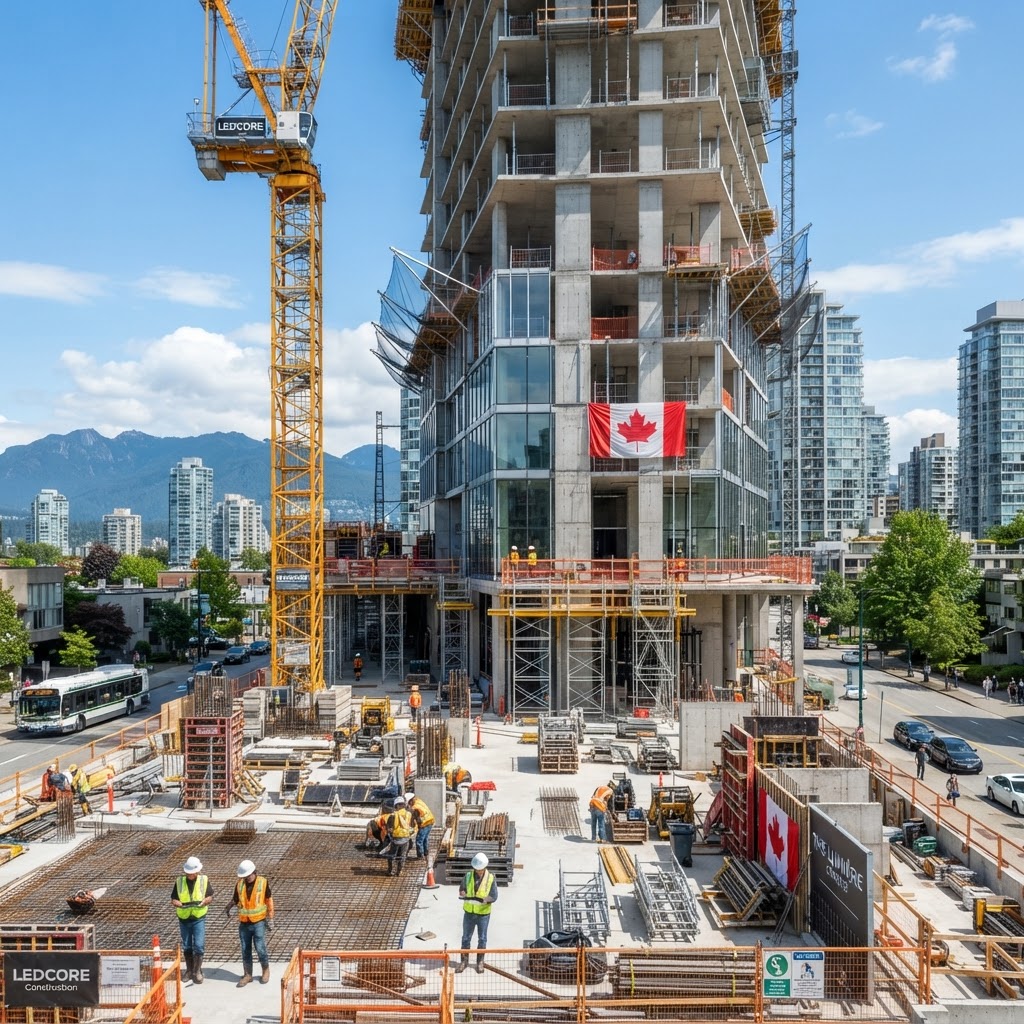
The Ultimate Guide to Buying Pre-Construction Homes in Canada
Buying a pre-construction home allows you to purchase property before it is built, offering customization options and potential appreciation. This guide covers the essential steps, risks, and financial considerations for Canadian buyers.
Understanding Pre-Construction Real Estate
Buying pre-construction means purchasing a property—whether it is a condo, townhouse, or detached home—before it has been fully constructed. Instead of walking through a finished unit, you are making your decision based on blueprints, 3D renderings, and model suites. This path is increasingly popular across Canada for both first-time homebuyers and seasoned investors.
The Benefits of Buying New
- Customization: You often have the opportunity to select finishes, such as flooring, cabinetry, and countertops, allowing you to tailor the home to your personal style.
- Modern Standards: New builds incorporate the latest energy-efficient technology, better insulation, and modern appliances, which can lead to lower utility costs.
- Warranty Protection: In many provinces, such as Ontario, new homes are covered by mandatory warranties that protect against construction defects and structural issues.
- No Bidding Wars: Unlike the resale market, you are buying directly from the builder at a set price, avoiding the stress of competitive bidding.
The Financial Roadmap
Buying pre-construction requires a different financial approach than resale homes. Use our Calculators to determine your budget and understand the impact of deposit structures.
Deposit Structures
Typically, you will need a 20% down payment, but it is rarely paid all at once. Developers usually require a series of deposits spread over several months or years, often tied to construction milestones (e.g., at signing, 30 days, 90 days, and at the start of construction).
Occupancy Fees
If you buy a condo, you may encounter an 'interim occupancy' period. This is the time between when you move into your unit and when the building is officially registered. During this time, you pay an occupancy fee to the builder, which is essentially monthly rent that does not contribute to your mortgage principal.
Key Risks to Consider
While the potential for appreciation is high, it is important to be aware of the risks:
- Construction Delays: Projects can face significant delays due to labor shortages, supply chain issues, or permitting hurdles.
- Project Cancellation: In rare cases, a developer may cancel a project entirely. Always review the cancellation clauses in your purchase agreement.
- Closing Costs: Be prepared for additional costs beyond the purchase price, such as development charges, utility connection fees, and legal fees. Use our Health Check to ensure your financial plan is robust enough to handle these surprises.
- Market Fluctuations: Since the construction period can last several years, the market value of the property at completion may differ from your initial purchase price.
The Legal Process
In provinces like Ontario, buyers are protected by a mandatory cooling-off period (typically 10 days) for new condo purchases. This allows you time to review the agreement with a lawyer. Always ensure you receive the mandatory information sheets provided by the developer, which outline the risks and estimated occupancy dates.
Expert Tips for Success
- Research the Builder: Only invest in reputable developers with a proven track record of completing projects on time.
- Consult Professionals: Engage a real estate lawyer who specializes in pre-construction contracts. You can also connect with others in our Q&A Community to share experiences.
- Stay Informed: Use our AI Advisor to get personalized insights into market trends in your target city.
- Explore Further: For more general advice on the home-buying journey, visit our Buying Guides or browse our Resource Library for detailed checklists.
By understanding the nuances of the pre-construction market, you can make an informed decision that aligns with your long-term financial goals.
Related Articles
Related Questions
What are the best cities in Canada for real estate investment in 2024?
Top Canadian Cities for Real Estate Investment 1. Calgary, Alberta - Strong population growth - Relatively affordable...
521203Can I legally rent my basement apartment in Ontario?
Short Answer Yes, but only if it meets specific legal requirements. Requirements To legally rent a basement apartmen...
47892Is this condo reserve fund healthy? How do I evaluate?
How to Evaluate a Condo Reserve Fund Step 1: Review the Reserve Fund Study Every condo corporation in Ontario must ha...
41578How much should I budget for annual home repairs?
The 1% Rule A widely-used guideline is to budget 1-2% of your home's value annually for maintenance and repairs. Exa...
35654