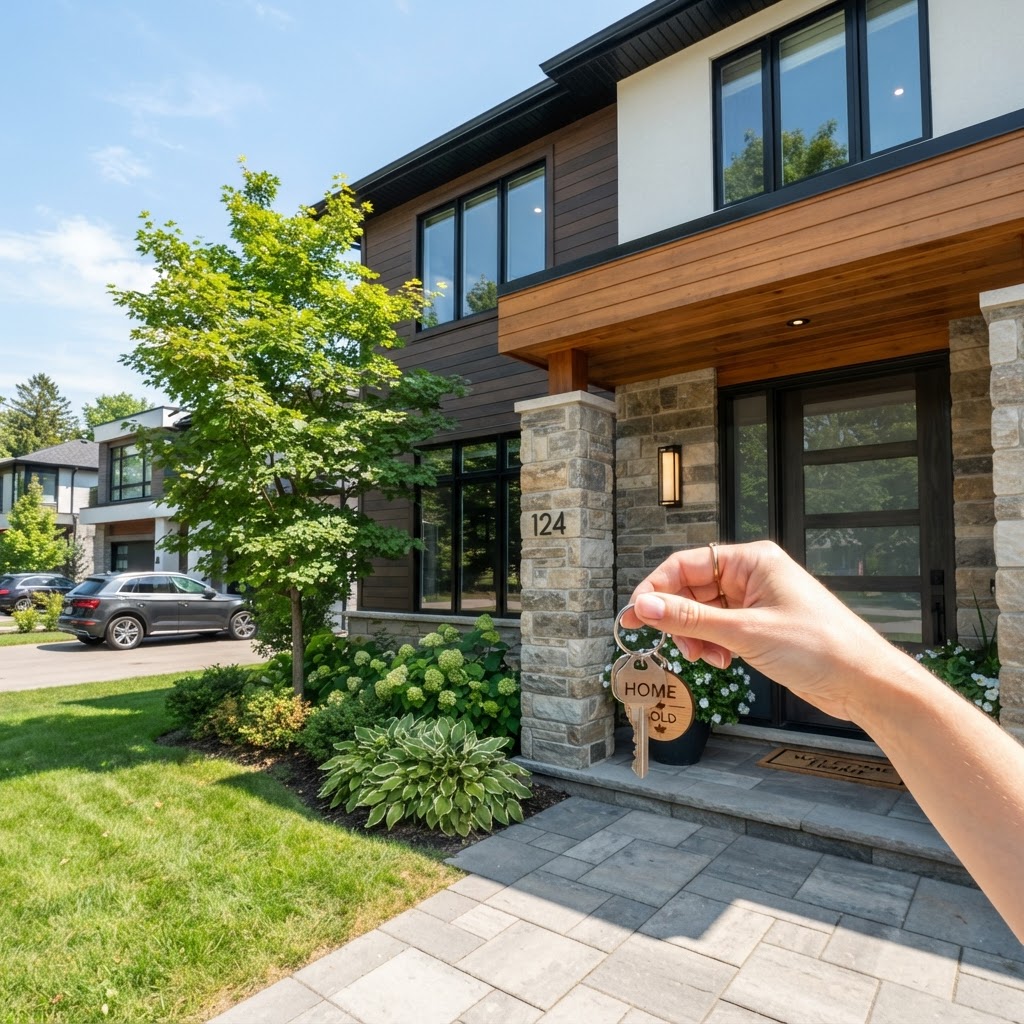
The Ultimate Guide to Buying Your First Home in Canada
Navigate the Canadian real estate market with confidence using this comprehensive guide. From assessing your finances to closing the deal, we cover the essential steps for a successful home purchase.
Introduction to Homeownership in Canada
Buying a home is one of the most significant financial milestones you will achieve. Whether you are a first-time buyer or looking to upgrade, understanding the Canadian real estate landscape is crucial. This guide provides a roadmap to help you navigate the process from start to finish.
Step 1: Assessing Your Financial Health
Before you start browsing listings, you must understand your budget. Use our Calculators to determine what you can realistically afford. Consider your current monthly expenses, including car loans, credit card payments, and savings goals.
- Down Payment: This is often the biggest hurdle. Remember that in Canada, the minimum down payment depends on the purchase price of the home.
- Affordability Guidelines: Ensure your total housing costs do not exceed recommended debt-to-income ratios to maintain financial stability.
- Get a Health Check: Use our Health Check tool to see if your financial profile is ready for a mortgage application.
Step 2: Mortgage Pre-Approval
Getting pre-approved is a vital step that tells sellers you are a serious buyer. It locks in an interest rate for a specific period and gives you a clear budget range. Consult with our AI Advisor if you have questions about how different mortgage terms might impact your long-term payments.
Step 3: Researching Incentives and Programs
Canada offers various programs to assist buyers, particularly those entering the market for the first time.
- Home Buyers' Plan (HBP): Allows eligible buyers to withdraw funds from their RRSP tax-free for a down payment.
- Provincial Rebates: Many provinces offer land transfer tax rebates for first-time buyers. Always check local regulations as these vary significantly between provinces like Ontario, British Columbia, and Quebec.
Step 4: The Property Hunt
Once you have your budget and pre-approval, the search begins. When viewing properties, look beyond the aesthetics:
- Structural Integrity: Check for signs of foundation issues or water damage.
- Maintenance Costs: Older homes may require significant upkeep. If a property is not on municipal water or sewer, factor in the cost of well and septic maintenance.
- Location: Consider proximity to work, schools, and public transit.
If you are unsure about a specific property type, visit our Q&A Community to see what other buyers are asking about condos, detached homes, or townhouses.
Step 5: Making an Offer and Closing
When you find the right home, your real estate agent will help you draft an offer. This will include conditions such as a home inspection and financing approval. Once the offer is accepted, you will enter the closing phase:
- Legal Fees: You must hire a lawyer or notary to handle the title transfer and legal documentation.
- Closing Costs: Budget for 1.5% to 4% of the purchase price to cover legal fees, land transfer taxes, and adjustments.
- Final Walkthrough: Always perform a final inspection before the keys are handed over to ensure the property is in the agreed-upon condition.
Ongoing Support
Buying a home is just the beginning. For continued learning, explore our Resource Library for tips on maintenance, property taxes, and long-term investment strategies. If you need more specific advice, our Buying Guides section offers deep dives into various aspects of the market.
Remember, knowledge is your greatest asset. Take your time, work with trusted professionals, and don't hesitate to reach out to our AI Advisor whenever you feel overwhelmed by the process.
Related Articles



Related Questions
Should I refinance my mortgage in 2024?
When Refinancing Makes Sense Refinancing can be beneficial if: 1. Interest Rate Savings - Your current rate is signi...
28423How Much House Can I Afford in Canada?
In Canada, you can typically afford a home priced at 4 to 5 times your gross annual household income, provided your tota...
60How Much Down Payment Do I Need in Canada?
The minimum down payment in Canada is 5% for homes under $500,000. For homes priced $500,001 to $999,999, you need 5% on...
40What Is a Good Cap Rate in Canada?
A good cap rate in Canada depends on market and property type. Residential cap rates typically range from 3 to 5% in Tor...
30