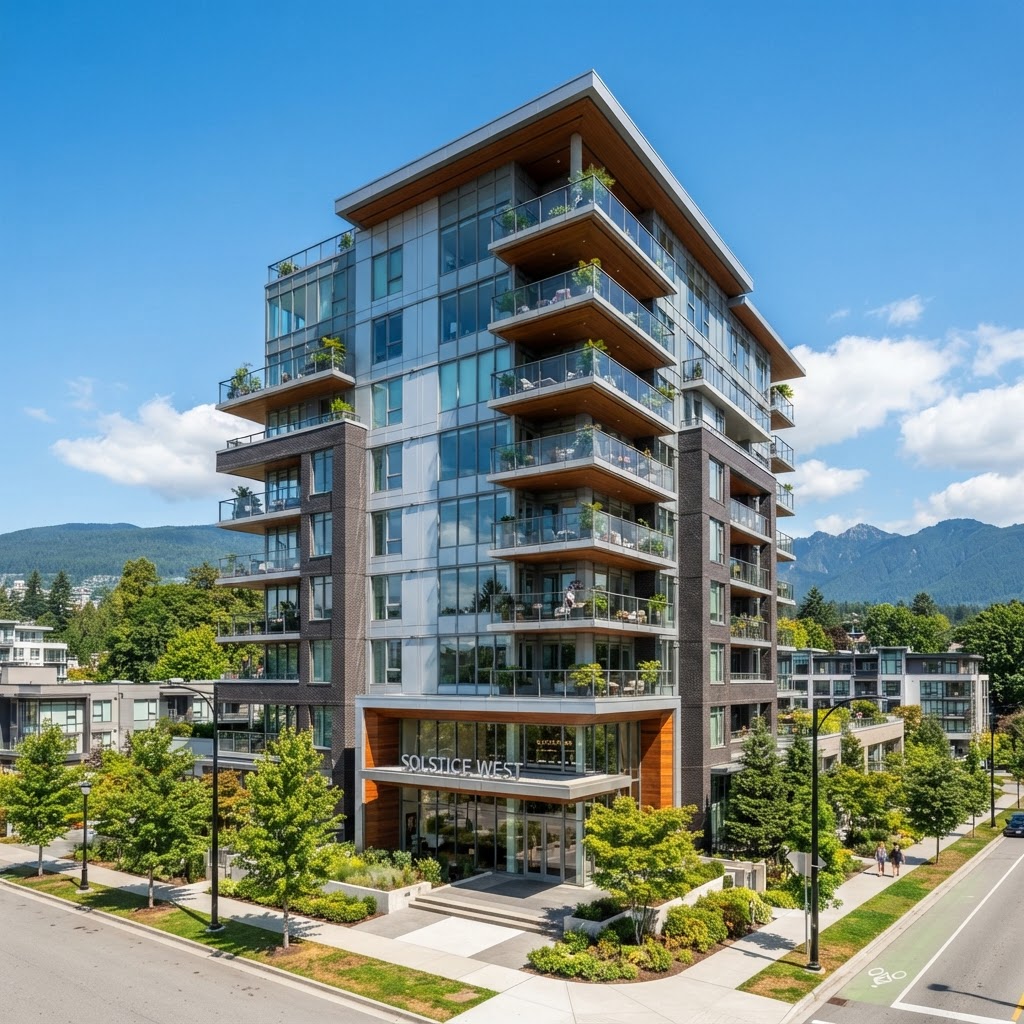
The Essential Canadian Condo Buyer’s Guide: What You Need to Know
Navigating the Canadian condo market requires understanding shared ownership, monthly fees, and legal obligations. This guide breaks down everything from status certificates to reserve funds to help you make an informed purchase.
Understanding Condo Ownership in Canada
Buying a condominium is fundamentally different from purchasing a detached house. When you buy a condo, you are entering into a shared ownership structure where you own your private unit and a percentage of the 'common elements'—the shared spaces like hallways, lobbies, elevators, and amenities.
Because you are part of a community, your lifestyle and finances are tied to the decisions of the condo corporation. Before you start your search, use our AI Advisor to help clarify your specific needs and goals.
Key Concepts for Every Buyer
1. Common Expenses (Condo Fees)
Every owner must pay monthly condo fees. These cover the day-to-day operations of the building, such as cleaning, snow removal, security, and insurance. A portion of these fees is also directed into a reserve fund, which is a savings account for major future repairs like roof replacements or elevator upgrades. If the reserve fund is insufficient, owners may face 'special assessments'—unexpected, one-time charges to cover large costs.
2. The Status Certificate (or Estoppel Certificate)
When buying a resale condo, the most critical document you will review is the Status Certificate. This document provides a snapshot of the corporation's financial health, including:
- The current budget and audited financial statements.
- Details on any ongoing litigation.
- The status of the reserve fund.
- Any upcoming major repairs or potential fee increases.
Always have a lawyer review this document before your condition period expires. You can find more information on evaluating property health in our Health Check tool.
3. Governing Documents
Every condo is governed by a set of rules, including:
- The Declaration: The 'constitution' of the condo.
- Bylaws: Rules regarding the management and administration of the property.
- Rules: Day-to-day regulations regarding pets, smoking, short-term rentals, and amenity usage.
Provincial Variations
It is important to note that condo legislation is provincial. For example, in Ontario, the Condominium Authority provides specific resources for buyers, while in Alberta, the 'unit factor' determines your voting rights and contribution share. Always check the specific legislation for your province in our Resource Library.
Pre-Construction vs. Resale
- Pre-Construction: You buy directly from a developer. You will need to understand 'interim occupancy'—the period between when you move in and when the building is officially registered and title is transferred to you.
- Resale: You buy from an existing owner. You have the advantage of seeing the building's actual performance, maintenance history, and community culture.
Practical Tips for Success
- Calculate Your True Costs: Use our Calculators to factor in your mortgage, property taxes, and monthly condo fees to ensure the total cost fits your budget.
- Review the Minutes: Ask to see the minutes from the last few board meetings. This can reveal recurring issues like noise complaints, elevator breakdowns, or disputes among owners.
- Understand Your Obligations: As an owner, you are responsible for maintaining your unit, but you must also follow the corporation's rules. If you plan to lease your unit, you must notify the corporation.
- Get Involved: Consider attending owners' meetings. Being an active participant helps you stay informed about decisions that affect your property value.
If you have specific questions about your situation, join the conversation in our Q&A Community to learn from other owners and experts. For a deeper dive into the broader market, explore our Buying Guides.
Final Checklist Before You Buy
- [ ] Have you reviewed the last two years of board meeting minutes?
- [ ] Is the reserve fund study up to date?
- [ ] Are there any pending special assessments?
- [ ] Do the building's rules align with your lifestyle (e.g., pet policies, parking)?
- [ ] Have you consulted with a real estate lawyer familiar with condo law?

Related Articles
Related Questions
Is this condo reserve fund healthy? How do I evaluate?
How to Evaluate a Condo Reserve Fund Step 1: Review the Reserve Fund Study Every condo corporation in Ontario must ha...
41578What are the best cities in Canada for real estate investment in 2024?
Top Canadian Cities for Real Estate Investment 1. Calgary, Alberta - Strong population growth - Relatively affordable...
521203Can I legally rent my basement apartment in Ontario?
Short Answer Yes, but only if it meets specific legal requirements. Requirements To legally rent a basement apartmen...
47892How much should I budget for annual home repairs?
The 1% Rule A widely-used guideline is to budget 1-2% of your home's value annually for maintenance and repairs. Exa...
35654