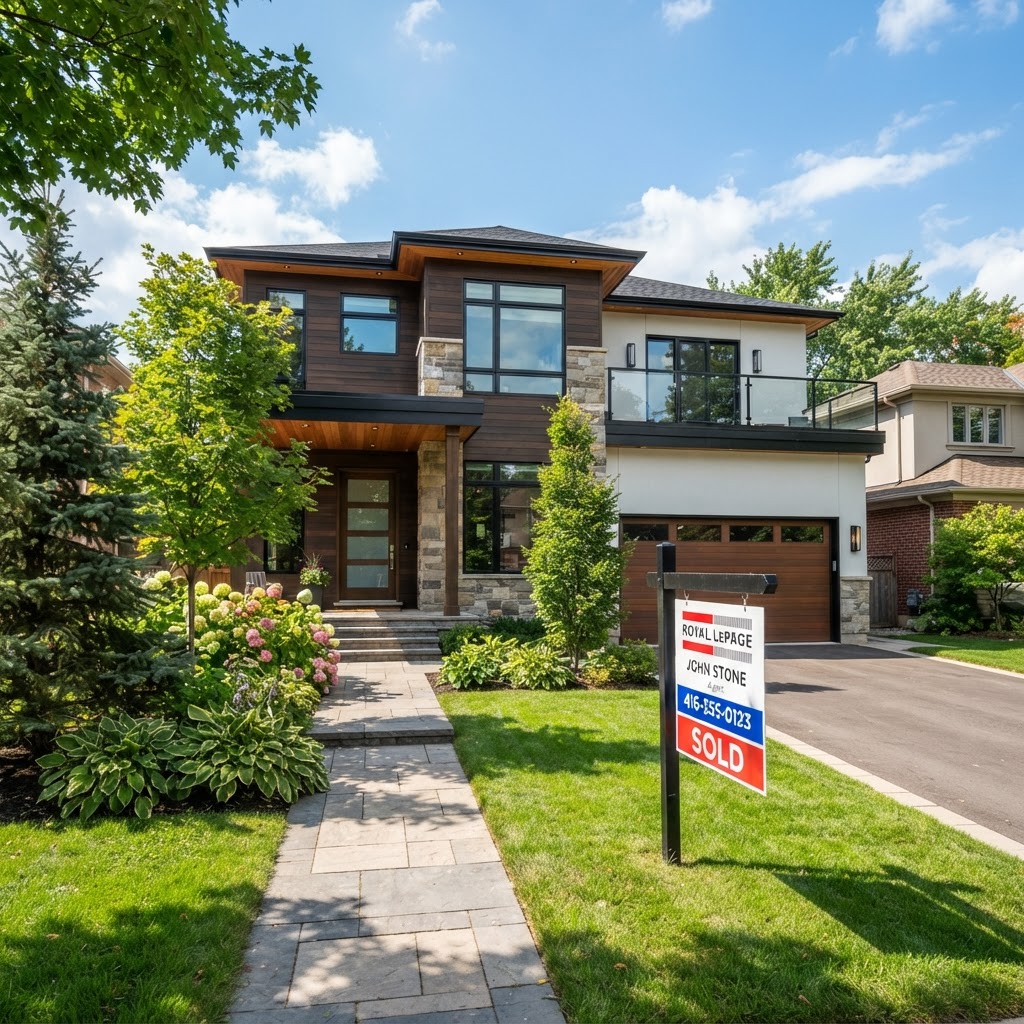
How to Sell Your Home in Ontario: Complete Step-by-Step Guide
Master the process of selling residential property in Ontario, from pricing strategy and pre-listing preparations to legal closing and tax considerations. Learn how to maximize your net return and avoid common seller pitfalls across the province.
Selling a home in Ontario involves significant financial, legal, and operational steps. Whether you are listing a detached home in Kitchener-Waterloo, a condo in Downtown Toronto, or a suburban property in Ottawa, understanding every stage of the transaction protects your equity and keeps stress to a minimum.
This guide breaks down the end-to-end Ontario home selling process, highlighting legal requirements, market preparation, negotiation tactics, and closing logistics.
1. Preparing Financially: Understanding Your Net Proceeds
Before hanging a 'For Sale' sign, calculate your true take-home proceeds. Many sellers mistakenly assume their profit equals the selling price minus the remaining mortgage balance. In reality, multiple transaction costs apply:
- Real Estate Commissions: Typically ranged across buyer and seller brokerages, plus HST (13% in Ontario).
- Legal Fees and Disbursements: Real estate lawyers handle mortgage discharge, title transfers, and statement of adjustments. Review standard costs using our Resource Library.
- Mortgage Prepayment Penalties: If you break a closed fixed-rate mortgage early, penalties can be substantial (calculated as either three months of interest or the Interest Rate Differential / IRD). Plan ahead with our Calculators.
- Property Tax & Utility Adjustments: Prorated based on the exact day of legal closing.
- Capital Gains vs. Principal Residence: In Canada, if the property was your principal residence for every year of ownership, gains are generally exempt from tax under the Principal Residence Exemption, though you must still report the disposition on your CRA tax return. Investment properties or partial rentals are subject to capital gains rules.
2. Pre-Listing Preparation: Repairs, Staging, and Documentation
A property that shows well sells faster and commands higher offers. Before listing, evaluate what requires attention:
- Conduct a Property Audit: Check mechanical systems, roofing, plumbing, and foundation. Run a self-check on potential structural or maintenance flags with the Health Check tool.
- Gather Key Documents Early: Have your latest property tax bill, utility history, transferable equipment warranties, survey plan, and renovation permits ready. For condominiums, order the status certificate package in advance.
- Strategic Staging and Decluttering: Neutralize spaces, depersonalize bedrooms, touch up scuffed trim, and maximize curb appeal. Professional photography and virtual tours are essential in the digital-first Ontario marketplace.
3. Pricing Strategy: Market Realities vs. Expectations
Pricing your property correctly from day one is critical. Ontario buyers are well-informed, and properties that sit on the market accumulate a stigma that leads to lower offers down the road.
- Comparative Market Analysis (CMA): Look at comparable homes sold within the past 30 to 90 days in your immediate neighbourhood, taking into account square footage, upgrades, lot dimensions, and micro-location factors.
- Pricing Approaches: Depending on whether your local Ontario market favours buyers or sellers, your approach might involve pricing slightly below market value with a designated offer presentation date to encourage competition, or pricing at fair market value to invite conditional offers. If you are unsure which strategy matches your market conditions, run your scenario by our AI Advisor.
4. Reviewing and Negotiating Offers
When a buyer submits an Agreement of Purchase and Sale (OREA Form 100 in Ontario), you will evaluate more than just the purchase price:
- Deposit Amount: Usually around 5% of the purchase price in Southern Ontario, held in trust by the listing brokerage.
- Key Conditions: Typical conditions include buyer financing verification, home inspection, and status certificate review (for condos). Unconditional (firm) offers carry less closing risk, while conditional offers require patience and tracking.
- Requisition Date: The date by which the buyer's lawyer must complete title searches and submit requisitions to your lawyer.
- Irrevocable Period: The deadline by which you must accept, counter, or let the offer expire.
If you are planning to purchase a new residence immediately after your sale, explore our Buying Guides to coordinate your closing dates and avoid bridging gaps.
5. From Firm Deal to Closing Day
Once all conditions are waived and the agreement is firm, the transaction moves into the legal closing phase:
- Retain an Ontario Real Estate Lawyer: Your lawyer will conduct title work, prepare closing documents, liaise with your lender for a mortgage payout statement, and formulate the Statement of Adjustments.
- Buyer Re-Visits: Standard contracts usually grant the buyer 2–3 pre-closing visits to measure for furniture or inspect repairs.
- Moving and Handover: On closing day, funds transfer from the buyer’s lawyer to your lawyer. Once the deed registers electronically on the Ontario Land Registry (Teraview), keys are released to the new owners.
Got specific questions about listing agreements, representation, or legal requisitions? Join the conversation in our Q&A Community to connect with other homeowners and industry specialists.
Related Articles


Related Questions
How Much Down Payment Do I Need in Canada?
The minimum down payment in Canada is 5% for homes under $500,000. For homes priced $500,001 to $999,999, you need 5% on...
40What are the best cities in Canada for real estate investment in 2024?
Top Canadian Cities for Real Estate Investment 1. Calgary, Alberta - Strong population growth - Relatively affordable...
521203Can I legally rent my basement apartment in Ontario?
Short Answer Yes, but only if it meets specific legal requirements. Requirements To legally rent a basement apartmen...
47892Is this condo reserve fund healthy? How do I evaluate?
How to Evaluate a Condo Reserve Fund Step 1: Review the Reserve Fund Study Every condo corporation in Ontario must ha...
41578