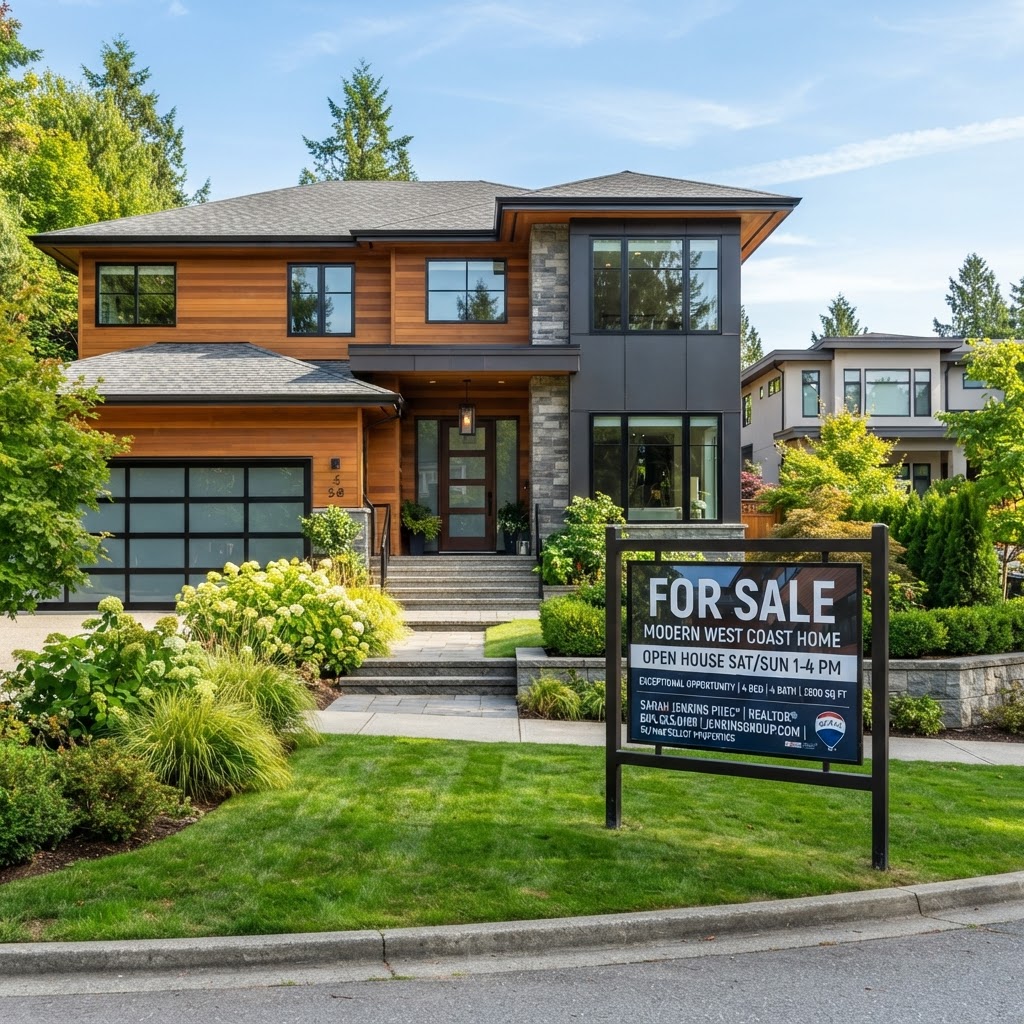
Selling Your Home in Canada: The Ultimate Seller's Guide
Navigate the Canadian real estate market with confidence using this comprehensive guide to selling your property. From strategic pricing and home preparation to closing the deal, learn how to maximize your return and minimize stress.
Understanding the Canadian Selling Process
Selling a home is one of the most significant financial transactions you will undertake. Whether you are upgrading, downsizing, or relocating, the process requires careful planning, market awareness, and attention to detail. In Canada, the journey from listing to closing typically takes between 30 to 90 days, though this varies significantly based on local market conditions and property type.
If you are feeling overwhelmed, our AI Advisor can help you assess your specific situation, while our Resource Library offers deep dives into regional regulations.
1. Financial Preparation
Before putting your "For Sale" sign up, you must understand the costs involved. Selling isn't just about the final sale price; it is about the net proceeds. Common expenses include:
- Realtor Commissions: Typically a percentage of the sale price, split between the listing and buying agents.
- Legal Fees: Required for title transfers, discharge of mortgages, and statement of adjustments.
- Mortgage Prepayment Penalties: If you are breaking your mortgage term early, check with your lender to avoid surprise costs.
- Staging and Repairs: Investing in minor cosmetic updates can significantly increase your home's appeal.
Use our Calculators to estimate your potential net proceeds after accounting for these common fees.
2. Setting the Right Price
Pricing your home is a balancing act. Price it too high, and your property may sit on the market, becoming "stale." Price it too low, and you leave money on the table.
- Comparative Market Analysis (CMA): Look at recent sales of similar homes in your immediate neighbourhood.
- Market Trends: Consider whether you are in a buyer's, seller's, or balanced market.
- Condition: Be honest about your home's state compared to the competition.
3. Preparing Your Home for Sale
First impressions are everything. A well-prepared home sells faster and often for a higher price.
- Declutter: Remove personal items to help buyers envision themselves in the space.
- Deep Clean: Every corner should be spotless, from baseboards to light fixtures.
- Small Repairs: Fix leaky faucets, patch drywall holes, and replace burnt-out lightbulbs.
- Curb Appeal: Ensure the exterior is inviting, as this is the first thing a buyer sees.
For a personalized checklist, run a Health Check on your property to identify areas that need attention before listing.
4. Marketing and Showings
In the digital age, your home's online presence is its most important marketing asset. High-quality photography and virtual tours are non-negotiable.
- Availability: Be as flexible as possible with showing times. If buyers cannot get in to see the home, they cannot buy it.
- Atmosphere: During showings, ensure the home is well-lit, smells neutral, and is at a comfortable temperature.
5. Negotiating and Closing
Once an offer arrives, you have three choices: accept, reject, or counter-offer. Pay close attention to the conditions (or "subjects") in the offer, such as financing, home inspection, or status certificate review.
If you have questions about specific clauses or the negotiation process, join our Q&A Community to see how other Canadians have handled similar situations.
Provincial Variations
Remember that real estate laws are provincial. For instance, Ontario and British Columbia have specific taxes and regulations regarding non-resident buyers and land transfer taxes that differ from the Prairie provinces. Always consult with a local professional to understand the nuances of your specific region.
For more information on the other side of the transaction, check out our Buying Guides to understand what your potential buyers are looking for.
Related Articles

Related Questions
How Much Down Payment Do I Need in Canada?
The minimum down payment in Canada is 5% for homes under $500,000. For homes priced $500,001 to $999,999, you need 5% on...
40What are the best cities in Canada for real estate investment in 2024?
Top Canadian Cities for Real Estate Investment 1. Calgary, Alberta - Strong population growth - Relatively affordable...
521203Can I legally rent my basement apartment in Ontario?
Short Answer Yes, but only if it meets specific legal requirements. Requirements To legally rent a basement apartmen...
47892Is this condo reserve fund healthy? How do I evaluate?
How to Evaluate a Condo Reserve Fund Step 1: Review the Reserve Fund Study Every condo corporation in Ontario must ha...
41578