The Ultimate Guide to Owning a Detached House in Canada
A comprehensive look at purchasing, maintaining, and investing in detached houses across Canada. This guide covers provincial market variations, seasonal maintenance, and financial strategies for homeowners.
Introduction to the Canadian Detached House
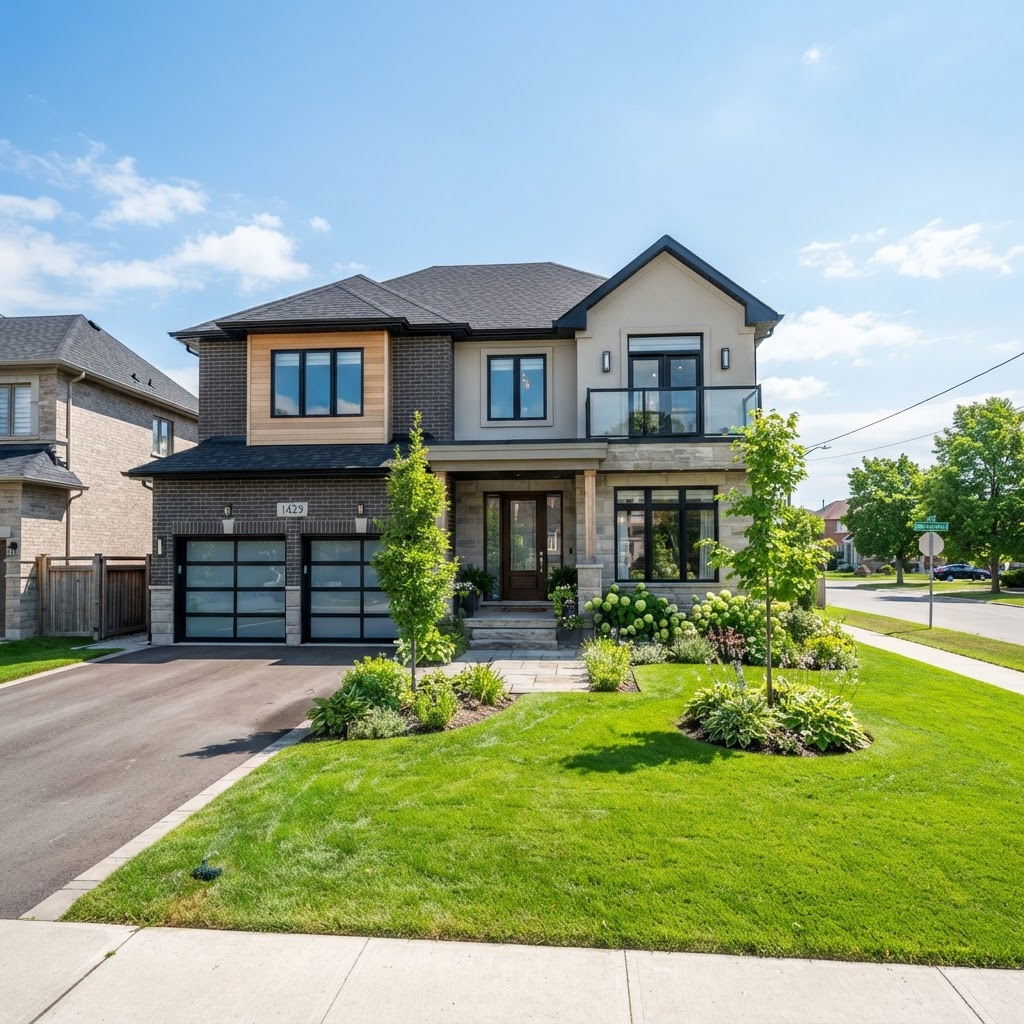
In the landscape of Canadian real estate, the detached house remains the most sought-after property type. Defined as a free-standing residential building that does not share walls with any other structure, the detached house offers the highest level of privacy, land ownership, and autonomy for the homeowner. However, with these benefits come significant responsibilities, ranging from full maintenance of the building exterior to managing land-related costs. Whether you are a first-time buyer or a seasoned investor, understanding the nuances of the Canadian house market is essential. Before diving into listings, it is wise to consult our AI Advisor to help align your property goals with your current financial standing.
Architectural Styles Across the Provinces
Canada's vast geography and colonial history have resulted in a diverse array of housing styles. Understanding these can help you identify potential maintenance issues or heritage restrictions.
- The Prairie Bungalow: Extremely popular in Alberta, Saskatchewan, and Manitoba, these single-story homes are designed for efficiency and ease of heating during long winters. They often feature large basements that provide additional living space.
- The Victorian Century Home: Common in older neighborhoods of Toronto, Halifax, and Montreal, these homes offer character, high ceilings, and intricate woodwork. However, they often require updates to plumbing and electrical systems to meet modern safety standards.
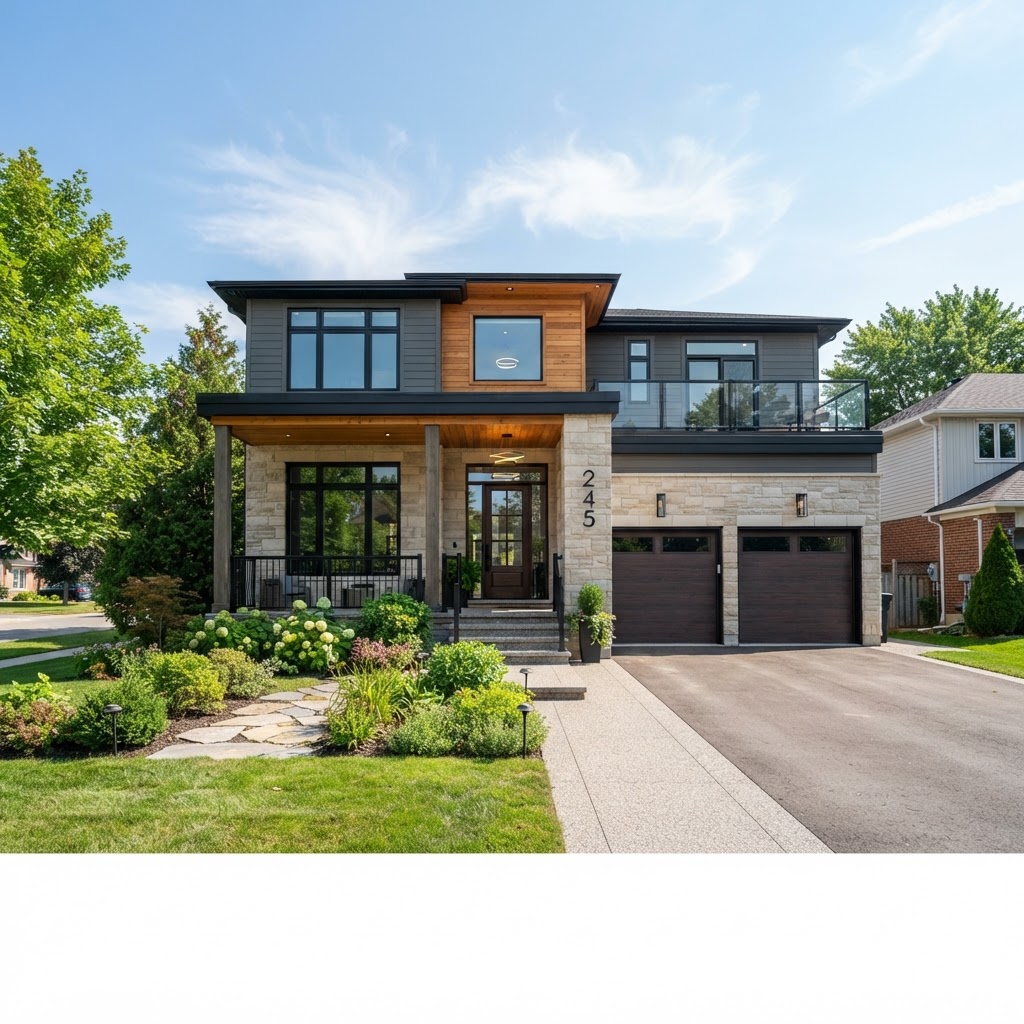
- West Coast Modern: In British Columbia, particularly around Vancouver and the Island, architecture often emphasizes integration with nature, featuring large glass panes, cedar wood, and flat or sloped rooflines designed for heavy rainfall rather than heavy snow.
- The Split-Level: A staple of 1970s suburban development across Ontario and Quebec, these homes offer unique floor plans that separate living areas by half-flights of stairs, providing a sense of space in a compact footprint.
For a deeper dive into the specific aesthetics of different regions, browse our Buying Guides for localized insights.
The Financial Realities of House Ownership
Purchasing a house in Canada involves several financial layers beyond the sticker price. While condos have monthly fees, houses require you to self-fund a 'reserve fund' for future repairs.
Mortgage and Insurance
If your down payment is less than 20% of the purchase price, you will need mortgage default insurance, typically provided by the CMHC. This is an added cost that is often rolled into your mortgage. You can model these costs using our Calculators to see how different down payment amounts affect your total interest paid over 25 years.
Closing Costs and Land Transfer Taxes
Closing costs usually range from 1.5% to 4% of the purchase price. A significant portion of this is the Land Transfer Tax (LTT). For example:
- Ontario: Features a graduated LTT. First-time buyers may be eligible for a rebate.
- Toronto: Homeowners pay both a provincial and a municipal land transfer tax, doubling the cost compared to other Ontario cities.
- Alberta and Saskatchewan: These provinces do not have a traditional land transfer tax, opting instead for much lower title transfer fees.
- Quebec: Known as 'Welcome Tax' (taxe de mutation), this is billed after the closing rather than at the lawyer's office.
Essential Seasonal Maintenance for Canadian Houses
Canada's climate is notoriously harsh on structures. A proactive maintenance schedule is the best way to protect your investment. Using a Health Check tool can help you keep a digital log of these tasks.
Spring and Summer Tasks
- Roof Inspection: Check for shingles that have buckled or blown off during winter storms. Roof leaks are a leading cause of insurance claims in Canada.
- Grading and Drainage: Ensure the ground around your foundation slopes away from the house. In provinces like Manitoba or Southern Ontario, where heavy spring rains are common, proper grading prevents basement seepage.
- Air Conditioning: Service your HVAC system before the first summer heatwave, especially in humid regions like Southern Ontario and the Maritimes.
Fall and Winter Tasks
- Winterization: Disconnect garden hoses and shut off exterior water valves to prevent pipes from bursting in sub-zero temperatures.
- Gutter Cleaning: Clear leaves to prevent 'ice damming,' a phenomenon where ice builds up at the edge of the roof and forces water under the shingles into your attic.
- Sump Pump Check: Ensure your sump pump is operational, particularly if you live in a high-water-table area or an area prone to spring flooding.
Investment Potential and Secondary Suites
One of the greatest advantages of a detached house is the ability to increase its value through renovations or land use. Many Canadian municipalities have recently updated zoning laws to allow for 'gentle density.'
- Basement Apartments: In cities like Brampton or Surrey, legal basement suites are a primary way homeowners afford high mortgage payments. Always ensure the suite meets the provincial fire code and municipal permit requirements.
- Laneway Houses and Garden Suites: Cities like Vancouver and Toronto now allow homeowners to build small, detached dwellings in their backyards. This can significantly increase the property's total value and provide rental income or space for multi-generational living.
If you are considering a major renovation or adding a suite, check our Resource Library for checklists on permits and contractor hiring.
Property law in Canada is provincially regulated. In the common law provinces (all except Quebec), the process involves a real estate lawyer who conducts title searches and ensures no liens are against the property. In Quebec, a Notary handles these duties under the Civil Code. If you encounter complexities, such as shared driveways or easement disputes, our Q&A Community is a great place to see how other homeowners have handled similar situations.
Conclusion
Owning a detached house in Canada is both a lifestyle choice and a significant financial undertaking. By understanding the architectural styles, provincial tax variations, and the necessity of seasonal maintenance, you can mitigate risks and enjoy the benefits of homeownership. Always stay informed of market trends and keep your property in peak condition to ensure long-term appreciation in the Canadian real estate market.

Related Articles

Related Questions
What are the best cities in Canada for real estate investment in 2024?
Top Canadian Cities for Real Estate Investment 1. Calgary, Alberta - Strong population growth - Relatively affordable...
521203Can I legally rent my basement apartment in Ontario?
Short Answer Yes, but only if it meets specific legal requirements. Requirements To legally rent a basement apartmen...
47892Is this condo reserve fund healthy? How do I evaluate?
How to Evaluate a Condo Reserve Fund Step 1: Review the Reserve Fund Study Every condo corporation in Ontario must ha...
41578How much should I budget for annual home repairs?
The 1% Rule A widely-used guideline is to budget 1-2% of your home's value annually for maintenance and repairs. Exa...
35654