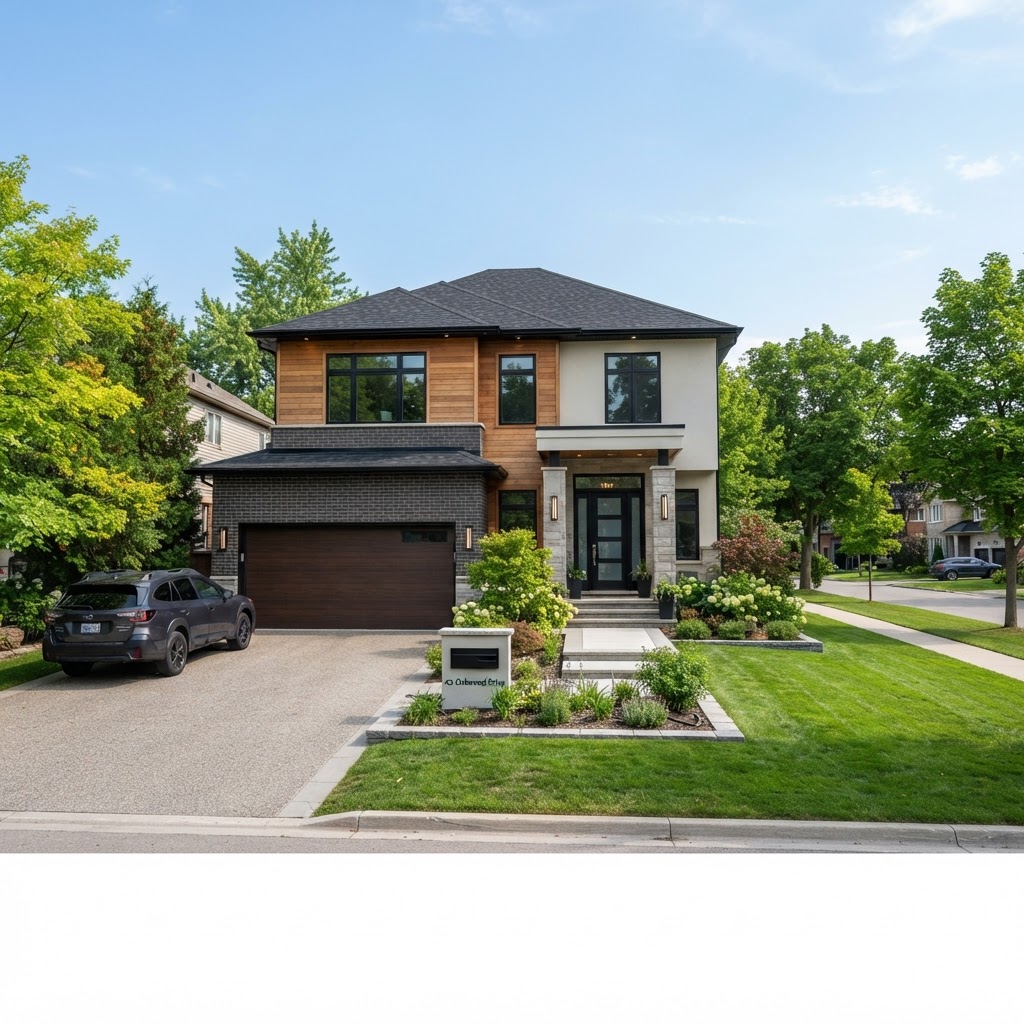
Buying a House in Ontario: A Comprehensive Step-by-Step Guide
Navigate the Ontario real estate market with confidence using this comprehensive guide. From securing mortgage pre-approval to closing the deal, learn the essential steps and financial requirements for purchasing a house in the province.
Understanding the Ontario Home Buying Journey
Buying a house is one of the most significant financial decisions you will make. In Ontario, the process is governed by specific legal frameworks, including the Trust in Real Estate Services Act (TRESA). Whether you are a first-time buyer or looking to upgrade, understanding the path from pre-approval to closing is essential.
1. Financial Preparation
Before browsing listings, you must establish a realistic budget. A lender's maximum approval amount is not necessarily what you can comfortably afford monthly. Consider the full cost of ownership, including:
- Mortgage principal and interest
- Property taxes and home insurance
- Utilities and routine maintenance
- Potential condo or POTL (Parcel of Tied Land) fees
- Closing costs (typically 1.5% to 4% of the purchase price)
Use our Calculators to estimate your monthly payments and affordability. If you are unsure where to start, consult our AI Advisor for personalized guidance on your financial readiness.
2. Mortgage Pre-Approval
Getting pre-approved provides a reliable price range and often includes a rate hold for 90 to 120 days. Lenders will review your income, debts, and credit score. Aim for a credit score of 680 or higher to access the best rates. Remember that you must qualify under the federal stress test, which uses the greater of your contract rate plus 2% or 5.25%.
3. Finding the Right Representation
In Ontario, you will typically sign a Buyer Representation Agreement (BRA) with a real estate professional. This document outlines the scope of services, geographic area, and commission terms. Under the designated representation model, your agent is committed to protecting your interests throughout the transaction.
4. The Search and Due Diligence
When searching for a home, look beyond the aesthetics. Consider:
- Proximity to transit, schools, and healthcare
- Future development plans in the area
- Property taxes and utility costs
- Potential climate risks or maintenance needs
Before making an offer, perform a Health Check on your potential property to identify common red flags. You can also visit our Resource Library for detailed checklists on what to look for during viewings.
5. Making an Offer
The Agreement of Purchase and Sale (APS) is a legally binding contract. Key components include:
- Purchase Price: Based on comparable sales and market conditions.
- Deposit: Usually 3-5% of the purchase price, held in trust.
- Conditions: Essential protections such as financing, home inspection, and status certificate reviews (for condos).
- Closing Date: The day ownership transfers, typically 30-60 days after the offer is accepted.
6. Closing the Deal
Once conditions are satisfied or waived, the deal goes "firm." Your real estate lawyer will then handle the legal transfer of title, conduct title searches, and register the deed. Be prepared to pay closing costs, including:
- Land Transfer Tax: Provincial tax applies to all purchases; Toronto residents must also pay a municipal land transfer tax.
- Legal Fees: Costs for your lawyer’s services and disbursements.
- Sales Tax on Mortgage Insurance: If your down payment is less than 20%, the provincial sales tax on the mortgage default insurance premium is due at closing.
Frequently Asked Questions
Have more questions about the process? Join our Q&A Community to connect with other buyers and experts. For more specific advice on different property types, explore our other Buying Guides.
Disclaimer: This guide is for educational purposes only and does not constitute legal or financial advice. Always consult with a qualified real estate lawyer or mortgage professional regarding your specific situation.
Related Articles

Related Questions
Can I legally rent my basement apartment in Ontario?
Short Answer Yes, but only if it meets specific legal requirements. Requirements To legally rent a basement apartmen...
47892Should I refinance my mortgage in 2024?
When Refinancing Makes Sense Refinancing can be beneficial if: 1. Interest Rate Savings - Your current rate is signi...
28423How Much House Can I Afford in Canada?
In Canada, you can typically afford a home priced at 4 to 5 times your gross annual household income, provided your tota...
60What are the best cities in Canada for real estate investment in 2024?
Top Canadian Cities for Real Estate Investment 1. Calgary, Alberta - Strong population growth - Relatively affordable...
521203