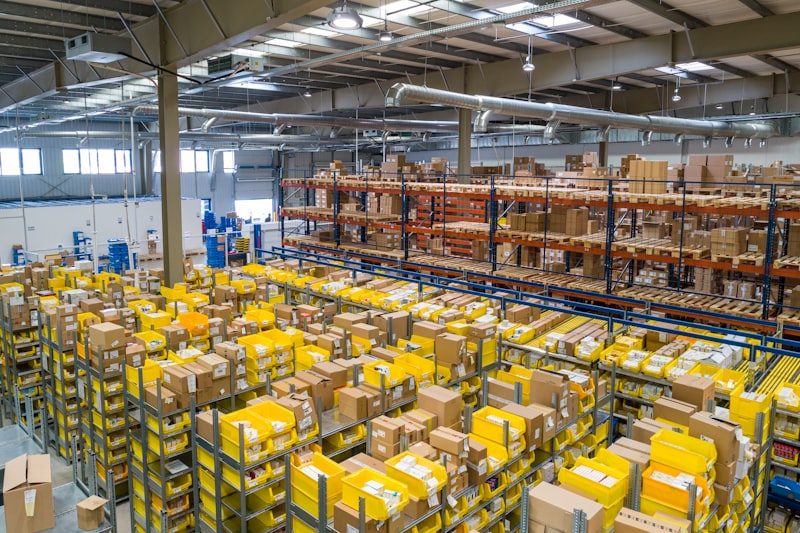
Buying a Warehouse in Canada: A Business Owner's Guide
A complete guide to buying a warehouse for your business or investment.
Introduction
Buying a warehouse for your business can build equity and provide long-term stability. This guide covers the process and considerations.
Why Buy a Warehouse?
Advantages
- Build equity: Mortgage payments build ownership
- Property appreciation: Long-term value growth
- Rental income: Lease excess space to other businesses
- Customization: Modify the building for your needs
- Stability: No landlord to raise rent
- Tax benefits: Mortgage interest, CCA, property tax deductions
Disadvantages
- Large capital requirement: 25-35% down payment
- Less flexibility: Harder to move if business changes
- Maintenance responsibility: All repairs are yours
- Market risk: Property values can decline
- Tying up capital: Cash not available for operations
Use our Lease vs Buy Calculator to compare options.
Types of Warehouses
Distribution Warehouse
- High clear height (24-32 ft)
- Multiple loading docks
- Large truck court
- Minimal office space
- Example: E-commerce fulfillment center
Manufacturing Warehouse
- Moderate clear height (16-24 ft)
- 3-phase power
- Office space (15-30% of building)
- Ventilation and exhaust systems
- Example: Production facility
Flex Space
- Combination office and warehouse
- 30-50% office space
- Lower clear height (12-16 ft)
- Drive-in doors
- Example: Tech company with light assembly
Cold Storage
- Refrigerated/frozen storage
- Specialized insulation and refrigeration
- Higher construction and operating costs
- Example: Food distribution
What to Look For
Building Specifications
- Clear height: 24+ ft preferred for modern use
- Column spacing: 50+ ft clear span
- Loading docks: Dock-high and drive-in
- Power: 3-phase, adequate amperage
- Floor load: 150-250+ psf
- Lighting: LED high-bay
- Insulation: R-20+ walls, R-30+ roof
- HVAC: Heating for warehouse, full HVAC for office
- Office space: Amount and condition
- Truck court: Depth for trailer maneuvering
- Parking: Staff and visitor parking
Location Factors
- Highway access: Proximity to major routes
- Port access: For import/export businesses
- Rail access: For bulk materials
- Labor pool: Accessible to employees
- Zoning: Industrial zoning permits your use
- Future development: Area growth potential
Property Condition
- Roof: Age and condition (expensive to replace)
- HVAC: Age and capacity
- Electrical: Capacity and safety
- Plumbing: Condition and capacity
- Floor: Cracks, settlement, load capacity
- Environmental: Phase I ESA (always recommended)
Due Diligence
Physical Inspection
- Professional building inspection: $2,000-$5,000
- Roof inspection: Critical (replacement $50,000-$200,000+)
- Environmental assessment: Phase I ($2,000-$5,000)
- Survey: Property boundaries
- Zoning verification: Confirm permitted use
Financial Analysis
- Purchase price: $/sqft comparison to market
- Operating costs: Property tax, insurance, maintenance
- Rental income: If leasing excess space
- Mortgage costs: Principal + interest
- Cash flow: Income vs expenses
Use our Cap Rate Calculator and Cash Flow Calculator.
Legal Review
- Title search: Liens, encumbrances, easements
- Survey: Property boundaries and rights
- Zoning: Verify permitted use
- Environmental: Existing contamination
- Lease review: If tenant-occupied
Financing
Commercial Mortgage
- Down payment: 25-35%
- Amortization: 20-25 years
- Term: 1-5 years
- Rates: Prime + 1-3%
- DSCR requirement: 1.25+
Use our Commercial Mortgage Calculator to calculate DSCR.
SBA-Style Loans
- Canada Small Business Financing Loan (CSBFL)
- Lower down payment (10-15%)
- Government-backed
- Maximum $1,000,000 (as of 2024)
- For owner-occupied properties
Owner-Occupied vs Investment
- Owner-occupied: Your business uses the space
- Investment: You lease to other businesses
- Different financing and tax treatment
Costs of Ownership
One-Time Costs
- Down payment: 25-35%
- Closing costs: 2-4% of purchase
- Legal fees: $5,000-$15,000
- Inspection: $2,000-$5,000
- Environmental assessment: $2,000-$10,000
- Renovations/fit-up: $20-$80/sqft
Ongoing Costs
- Mortgage payments
- Property taxes: $1-$3/sqft
- Insurance: $0.50-$1.50/sqft
- Maintenance: $1-$3/sqft
- Utilities: $1-$3/sqft
- Property management: 3-5% of rent (if applicable)
Provincial Considerations
Ontario
- Strong industrial market
- High demand, low vacancy
- Development charges for new construction
- Key areas: GTA industrial corridors
British Columbia
- Limited supply, high prices
- Port-related demand
- Key areas: Metro Vancouver
Alberta
- More affordable
- Energy-sensitive market
- Good opportunities for owner-users
Summary
Buying a warehouse builds equity and provides stability but requires significant capital and maintenance responsibility. Conduct thorough due diligence including environmental assessment. For financial analysis, use our Calculators: Lease vs Buy, Commercial Mortgage, Cap Rate. The AI Advisor can answer warehouse buying questions.
This guide is for educational purposes only.

Related Articles
Related Questions
Should I lease or buy commercial space for my small business?
The lease vs. buy decision for your business depends on several key factors: When leasing makes sense: - Your business ...
00What are the best cities in Canada for real estate investment in 2024?
Top Canadian Cities for Real Estate Investment 1. Calgary, Alberta - Strong population growth - Relatively affordable...
521203Can I legally rent my basement apartment in Ontario?
Short Answer Yes, but only if it meets specific legal requirements. Requirements To legally rent a basement apartmen...
47892Is this condo reserve fund healthy? How do I evaluate?
How to Evaluate a Condo Reserve Fund Step 1: Review the Reserve Fund Study Every condo corporation in Ontario must ha...
41578