Industrial Real Estate Investing in Canada
A comprehensive guide to investing in Canadian industrial real estate.
Introduction
Industrial real estate is a growing investment category in Canada. This guide covers property types, investment analysis, and market trends.
Types of Industrial Property
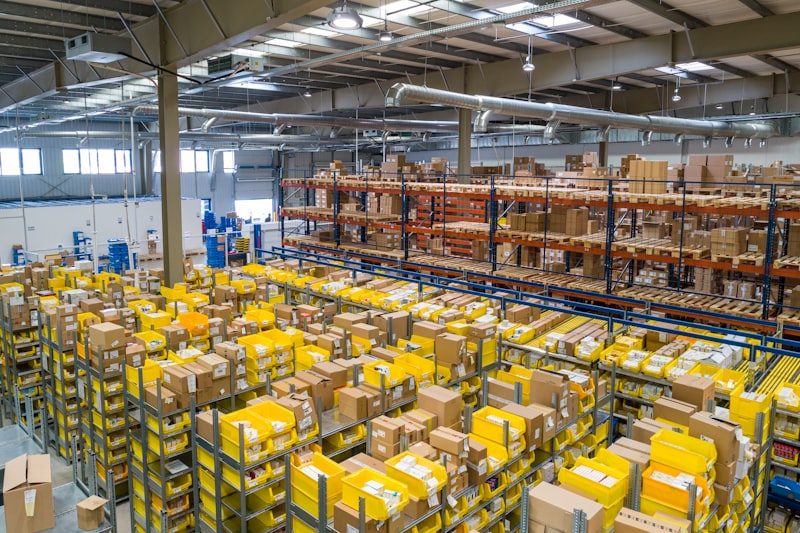
Warehouse/Distribution
- Logistics centers: Last-mile delivery
- Distribution centers: Regional distribution
- Cold storage: Refrigerated warehouses
- Key features: Loading docks, ceiling height, truck access
Light Industrial
- Manufacturing: Assembly and light production
- Flex space: Office + industrial combination
- Service workshops: Trade businesses
- Key features: Power, ventilation, office space
Heavy Industrial
- Manufacturing plants: Large-scale production
- Processing facilities: Resource processing
- Key features: Heavy power, rail access, environmental permits
Industrial Condos
- Strata-titled industrial units
- Individually owned
- Condo fees apply
- Good for small businesses
Why Invest in Industrial?
Advantages
- Long leases: 5-10+ year terms
- NNN leases: Tenant pays expenses
- Lower turnover: Business tenants stay longer
- Lower maintenance: Simpler buildings
- E-commerce growth: Driving warehouse demand
- Higher cap rates: Better returns than office/retail
Risks
- Economic sensitivity: Tied to business activity
- Environmental liability: Potential contamination
- Specialized use: Harder to re-tenant
- Larger investment: Higher entry cost
Investment Analysis
Key Metrics
Cap Rate
Cap Rate = NOI / Property Value
- Industrial cap rates: 5-8% (varies by market)
- Higher than office/retail (better returns)
Use our Cap Rate Calculator.
DSCR (for financing)
DSCR = NOI / Annual Debt Service
- Minimum 1.25 for most lenders
Use our Commercial Mortgage Calculator.
Due Diligence
Environmental Assessment
- Phase I: Historical use review (always required)
- Phase II: Soil/water testing (if Phase I indicates risk)
- Remediation: If contamination found (very expensive)
Physical Inspection
- Roof condition: Industrial roofs are expensive to replace
- HVAC: Ventilation and heating systems
- Electrical: Power capacity (3-phase for manufacturing)
- Loading docks: Number and condition
- Clear height: Ceiling clearance (16-32 ft typical)
- Floor load: Weight capacity per sqft
- Truck access: Turning radius, trailer parking
Lease Review
- Lease type: Gross, NN, NNN
- Tenant credit: Financial strength
- Lease term: Length and renewal options
- Escalations: Annual increases
- Tenant improvements: Who pays
Provincial Markets
Ontario (GTA)
- Largest industrial market in Canada
- Strong demand from e-commerce and logistics
- Low vacancy rates (2-4%)
- Cap rates: 4.5-6.5%
- Key areas: Mississauga, Brampton, Vaughan
British Columbia (Metro Vancouver)
- Limited land supply drives prices
- Port activity drives demand
- Very low vacancy (1-3%)
- Cap rates: 4-6%
- Key areas: Richmond, Surrey, Delta
Alberta
- Energy sector sensitivity
- Lower prices, higher cap rates (6-8%)
- Good entry point for investors
- Key areas: Calgary, Edmonton
Industrial Lease Structures
Triple Net (NNN)
- Most common for industrial
- Tenant pays base rent + taxes + insurance + maintenance
- Lowest risk for landlord
Gross Lease
- Landlord pays all expenses
- Higher base rent
- Less common for industrial
Modified Gross
- Split of expenses between landlord and tenant
- Negotiable per lease
Use our Triple Net Lease Calculator for NNN analysis.
Development Opportunities
Build-to-Suit
- Custom build for a specific tenant
- Pre-leased before construction
- Lower risk development
- Longer lease terms (10+ years)
Speculative Development
- Build without a tenant
- Higher risk but potentially higher returns
- Requires strong market demand
- Use our Land Development Calculator
Summary
Industrial real estate offers strong returns with NNN leases and long-term tenants. Conduct thorough environmental due diligence. For financial analysis, use our Calculators: Cap Rate, Cash Flow, Commercial Mortgage, NNN Lease. The AI Advisor can answer industrial investment questions.
This guide is for educational purposes only.

Related Articles
Related Questions
What are the best cities in Canada for real estate investment in 2024?
Top Canadian Cities for Real Estate Investment 1. Calgary, Alberta - Strong population growth - Relatively affordable...
521203How to Calculate Rental Property Cash Flow in Canada?
Rental property cash flow equals total monthly rental income minus all monthly expenses: mortgage payment, property taxe...
30What is a good cap rate for commercial real estate in Canada?
Cap rates for commercial real estate in Canada vary by property type and location: Industrial properties: 4.5% - 6.5% i...
00Can I legally rent my basement apartment in Ontario?
Short Answer Yes, but only if it meets specific legal requirements. Requirements To legally rent a basement apartmen...
47892