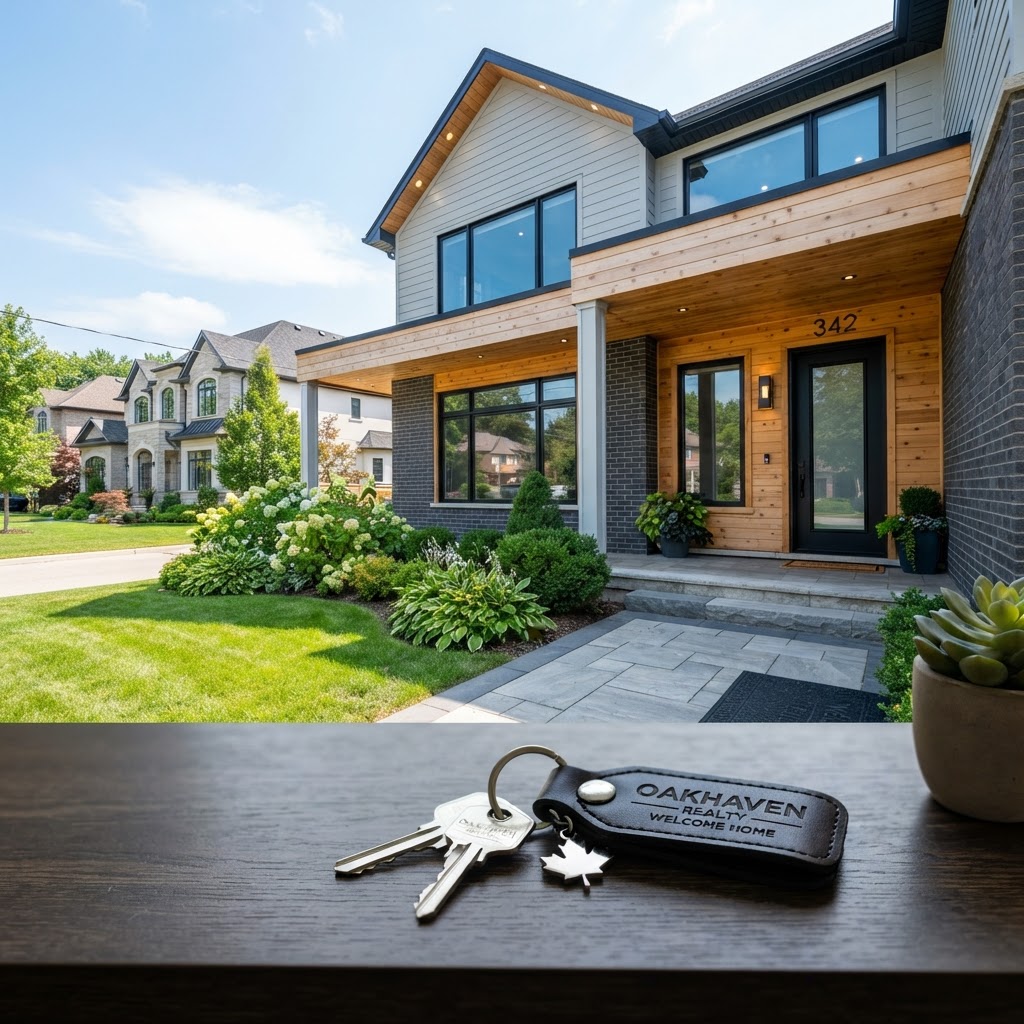
The Ultimate Guide to Buying Your First Home in Canada
Navigate the Canadian real estate market with confidence using this comprehensive step-by-step guide. From securing financing to closing the deal, learn everything you need to know to become a homeowner.
Introduction to Canadian Homeownership
Buying a home is one of the most significant financial milestones in a Canadian's life. Whether you are looking for a condo in a bustling city or a detached house in the suburbs, the process requires careful planning and a clear understanding of the market. Before you begin, explore our Buying Guides to understand the broader landscape of property acquisition.
Step 1: Assess Your Financial Readiness
Before browsing listings, you must understand your budget. Lenders typically look at your gross monthly income to determine your affordability. A common rule of thumb is that your total monthly housing costs (mortgage, taxes, heat) should not exceed 39% of your gross income, and your total debt load should stay under 44%.
- Check your credit score: A strong score is essential for favorable interest rates.
- Calculate your down payment: For homes under $500,000, the minimum is 5%. For portions between $500,000 and $1.499 million, it is 10%. Homes over $1.5 million require at least 20% down.
- Use our tools: Use our Calculators to estimate your monthly payments and affordability.
Step 2: Get Pre-Approved
Getting pre-approved is not the same as being pre-qualified. A pre-approval confirms the amount you can borrow and locks in an interest rate for a set period (often 120 days). This gives you a competitive edge in a fast-moving market. If you are unsure where to start, consult our AI Advisor for personalized guidance on the mortgage application process.
Step 3: Define Your Needs and Search
Create a list of "must-haves" versus "nice-to-haves." Consider:
- Location: Proximity to transit, work, and schools.
- Property Type: Condo, townhouse, or detached home.
- Future-proofing: Will this home meet your needs in 5 to 10 years?
Step 4: The Role of a Real Estate Agent
While you can search for homes independently, a licensed real estate agent can provide invaluable market insights, arrange viewings, and handle complex negotiations. In most Canadian provinces, the seller typically pays the commission, making it a cost-effective choice for buyers.
Step 5: Making an Offer and Closing
Once you find the right property, your agent will help you draft an "Offer to Purchase." This document includes the price, deposit, and conditions (such as financing and home inspection).
Key Closing Considerations:
- Home Inspection: Never skip this. It protects you from hidden structural or mechanical issues.
- Legal Fees: You will need a lawyer or notary to handle the title search and transfer of funds.
- Closing Costs: Budget an additional 2-3% of the purchase price for land transfer taxes, legal fees, and adjustments.
Stay Informed
Real estate laws and programs vary by province. For specific questions about your region, visit our Q&A Community to connect with experts and other buyers. If you are worried about the condition of a property, consider a Health Check to understand potential maintenance liabilities. For more in-depth articles, browse our Resource Library.
Final Tips for Success
- Don't rush: Buying a home is a marathon, not a sprint.
- Account for hidden costs: Remember to budget for property taxes, utilities, and ongoing maintenance.
- Stay disciplined: Stick to your pre-approved budget to ensure you can sleep peacefully at night.
Related Articles


Related Questions
Should I refinance my mortgage in 2024?
When Refinancing Makes Sense Refinancing can be beneficial if: 1. Interest Rate Savings - Your current rate is signi...
28423How Much House Can I Afford in Canada?
In Canada, you can typically afford a home priced at 4 to 5 times your gross annual household income, provided your tota...
60How Much Down Payment Do I Need in Canada?
The minimum down payment in Canada is 5% for homes under $500,000. For homes priced $500,001 to $999,999, you need 5% on...
40Fixed vs. Variable Mortgage: Which Is Better in Canada?
Fixed mortgages offer rate certainty and protection from increases, while variable mortgages historically cost less over...
30