Canadian Commercial Real Estate: The Ultimate Investor's Guide
Master the complexities of the Canadian commercial property market. This guide covers asset classes, valuation metrics like Cap Rates, and provincial regulations to help you make informed investment decisions.
Introduction to the Canadian Commercial Landscape
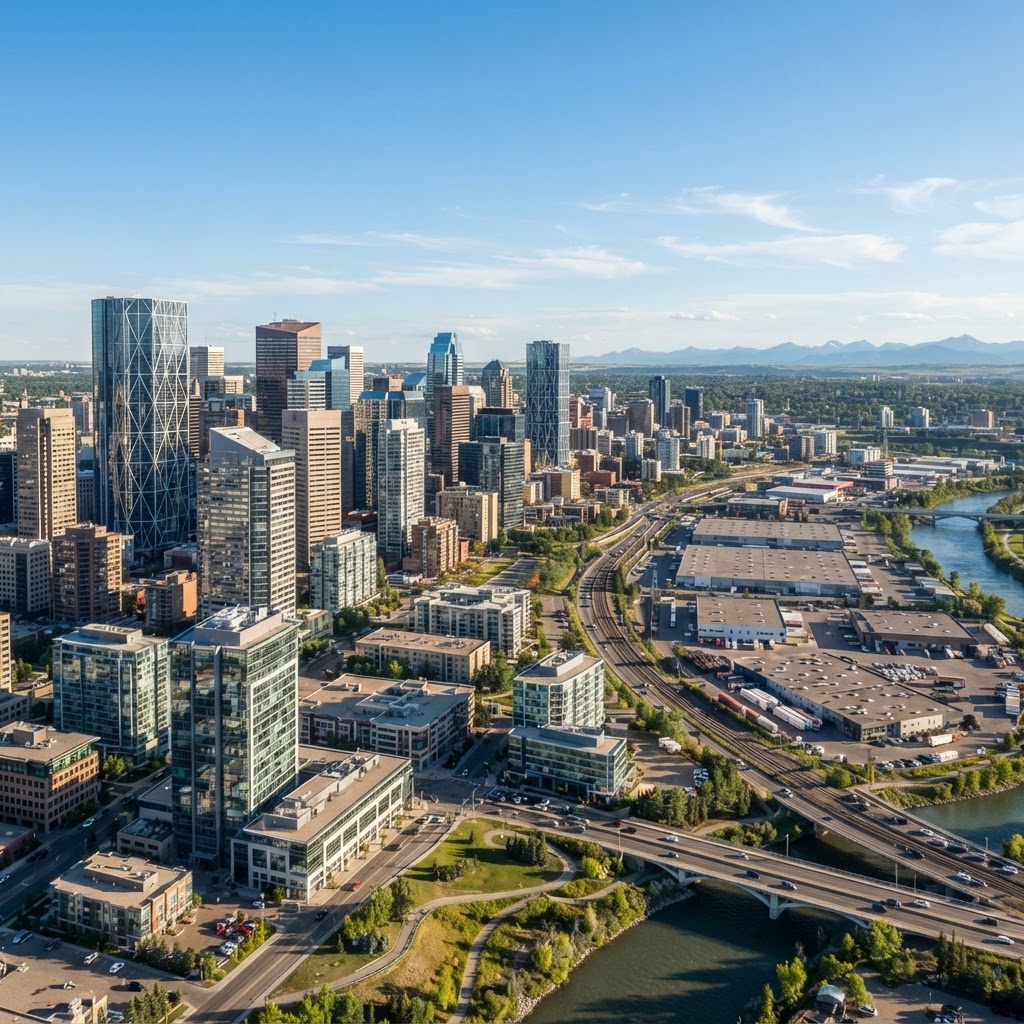
Commercial real estate (CRE) in Canada represents a sophisticated and robust sector of the national economy, encompassing everything from high-rise office towers in Toronto’s Financial District to sprawling industrial warehouses in Calgary’s logistics hubs. Unlike residential real estate, which is primarily driven by emotional utility and shelter needs, commercial property is valued as an income-producing asset. Whether you are an entrepreneur looking for an owner-occupied space or an investor seeking yield, understanding the nuances of the Canadian market is essential for long-term success. For those just starting their journey, our Buying Guides provide an excellent foundation for the acquisition process.
The Four Pillars of Commercial Property
In Canada, commercial real estate is generally categorized into four main asset classes, each with its own risk profile, tenant expectations, and market drivers:
- Industrial: This sector has been the "darling" of the Canadian market for several years, fueled by the rise of e-commerce and supply chain decentralization. It includes warehouses, distribution centres, and light manufacturing facilities. Key hubs include the Greater Toronto Area (GTA), the Inland Empire of Vancouver, and the Edmonton-Calgary corridor.
- Retail: This includes everything from small street-front shops to large "power centres" and enclosed malls. While traditional retail has faced challenges, "necessity-based" retail—such as grocery-anchored strip malls—remains a highly stable and sought-after investment.
- Office: The office market is currently in a state of transition as Canadian businesses navigate hybrid work models. Class A buildings in major urban cores (Toronto, Montreal, Vancouver) continue to hold value, while older Class B and C buildings are increasingly being evaluated for potential residential conversion.
- Multi-Family: In the commercial context, this refers to purpose-built rental buildings with five or more units. This is often considered the safest commercial bet in Canada due to the chronic housing shortage and high immigration levels, which keep vacancy rates low and demand high.
Essential Valuation Metrics
To succeed in CRE, you must speak the language of numbers. Unlike residential homes compared via simple "comps," commercial properties are valued based on their income potential. You can test your own deal numbers using our Calculators.
- Net Operating Income (NOI): This is the total income generated by the property (rent, parking, signage) minus all necessary operating expenses (property taxes, insurance, maintenance, utilities). It does not include mortgage payments or capital expenditures.
- Capitalization Rate (Cap Rate): Calculated as NOI divided by the purchase price. It represents the expected rate of return on an investment. In tight markets like Vancouver or Toronto, cap rates might be as low as 3-4%, while secondary markets like Winnipeg or Halifax might offer 6-7%.
- Debt Service Coverage Ratio (DSCR): Lenders use this to ensure the property generates enough income to cover the debt. Most Canadian banks require a DSCR of at least 1.2x to 1.25x, meaning the property must generate 20-25% more income than the annual mortgage payments.
The Canadian Financing and Due Diligence Process
Financing a commercial deal in Canada is significantly different from securing a residential mortgage. Lenders focus more on the property's income and the tenant's creditworthiness than the borrower's personal income. Expect the following:
- Higher Down Payments: While residential buyers might put down 5-20%, commercial lenders typically require 25% to 40% equity.
- Shorter Amortization: Amortization periods are usually 20 to 25 years, compared to the 30-year options often available for residential properties.
- Environmental Assessments: Lenders will almost always require a Phase I Environmental Site Assessment (ESA) to ensure the land isn't contaminated from previous industrial use. If issues are found, a Phase II (soil sampling) becomes mandatory.
- Building Condition Assessment (BCA): This is a comprehensive engineering report on the building's structural integrity, HVAC systems, and roof life expectancy.
If you're unsure about your financial readiness or the state of a potential asset, try our Health Check tool for a quick diagnostic.
Provincial Variations and Legal Considerations
Real estate law in Canada is governed provincially, leading to significant differences across the country that investors must navigate:
- Ontario: The Land Transfer Tax (LTT) can be substantial, especially in Toronto, where a municipal LTT is added on top of the provincial one. Ontario also has strict environmental regulations under the Environmental Protection Act that can impact redevelopment.
- British Columbia: BC has introduced the Land Owner Transparency Registry (LOTR), requiring disclosure of "interest holders" in land to prevent money laundering. This adds a layer of administrative due diligence for commercial buyers using corporations or trusts.
- Quebec: Operating under a Civil Law system (unlike the Common Law used in other provinces), Quebec has unique lease structures and "hypothecs" instead of traditional mortgages. Professional advice from a Quebec notary is mandatory for all transactions.
- Alberta: With no provincial sales tax and a generally more business-friendly regulatory environment, Alberta often attracts industrial investors looking for lower overhead costs and simplified development permits.
Practical Tips for New Investors
- Focus on the Lease Structure: In commercial real estate, you aren't just buying a building; you are buying a contract. Most Canadian commercial leases are "Triple Net" (NNN), meaning the tenant pays for property taxes, insurance, and maintenance in addition to base rent. Always review the "Weighted Average Lease Term" (WALT).
- Verify Zoning and Permitted Uses: Never assume a building can be used for your intended purpose. Check the municipal zoning bylaws for "permitted" vs. "discretionary" uses, as the latter may require a lengthy public hearing process.
- Build a Local Team: You need a commercial broker, a specialized real estate lawyer, and an accountant who understands Capital Cost Allowance (CCA) for Canadian tax purposes.
For specific questions about your local market or to find professional recommendations, join the discussion in our Q&A Community or consult our AI Advisor for personalized insights. You can also find templates and checklists in our Resource Library.
Conclusion
Commercial real estate offers a path to significant wealth and portfolio stability in Canada, but it requires a disciplined, data-driven approach. By understanding the specific asset classes, mastering valuation metrics, and navigating provincial legalities, you can capitalize on the opportunities within the Great White North's property market. Whether you are looking at a small retail plaza in the Maritimes or a tech office in Waterloo, the fundamentals of income, location, and lease quality remain the keys to success.

Related Articles
Related Questions
What is a good cap rate for commercial real estate in Canada?
Cap rates for commercial real estate in Canada vary by property type and location: Industrial properties: 4.5% - 6.5% i...
00What are the best cities in Canada for real estate investment in 2024?
Top Canadian Cities for Real Estate Investment 1. Calgary, Alberta - Strong population growth - Relatively affordable...
521203Can I legally rent my basement apartment in Ontario?
Short Answer Yes, but only if it meets specific legal requirements. Requirements To legally rent a basement apartmen...
47892Is this condo reserve fund healthy? How do I evaluate?
How to Evaluate a Condo Reserve Fund Step 1: Review the Reserve Fund Study Every condo corporation in Ontario must ha...
41578