
Canadian Commercial Real Estate: The Complete Investor Guide
Master commercial real estate investing across Canada with key metrics, asset classes, financing benchmarks, and due diligence essentials. Learn how cap rates, lease structures, and provincial tax nuances affect your returns.
Commercial real estate (CRE) represents one of the most resilient wealth-generation engines in Canada. From bustling distribution warehouses in Calgary to urban mixed-use retail corridors in Toronto and Vancouver, acquiring commercial properties requires a fundamentally different playbook than residential investing.
While residential acquisitions center on comparable sales and emotional appeal, commercial assets are evaluated strictly as income-producing businesses. Understanding net operating income (NOI), debt coverage, zoning bylaws, and commercial lease structures is essential before deploying capital. Use our Calculators to project prospective cash flows or review our Buying Guides for foundational purchase insights.
Core Commercial Property Asset Classes in Canada
Commercial property spans several distinct sub-sectors, each carrying unique risk-return profiles, management intensity, and economic drivers:
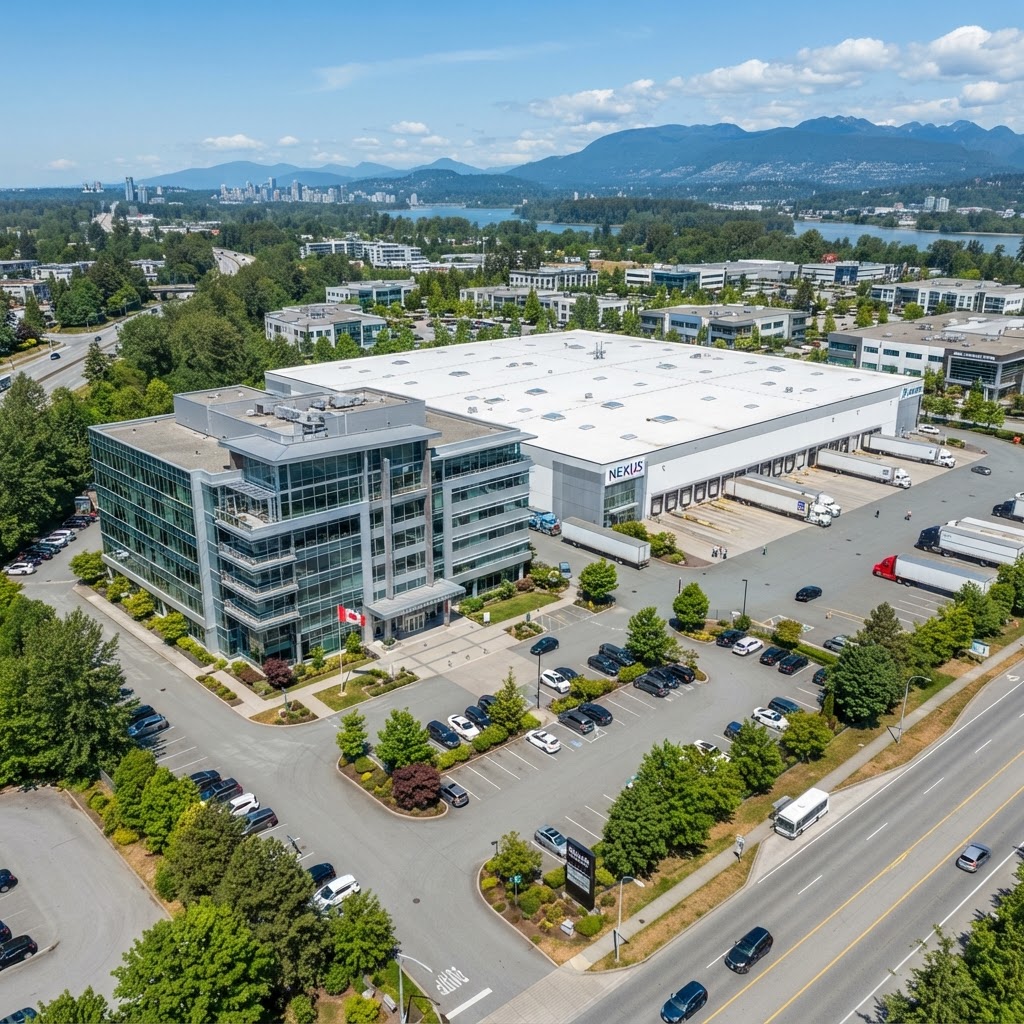
- Industrial & Logistics: Warehouses, cross-dock facilities, and light manufacturing plants. Industrial assets in logistics hubs like the Greater Toronto Area (GTA), Edmonton, and Calgary have seen strong sustained demand driven by distribution needs and national supply chain requirements.
- Retail: Enclosed regional malls, power centers, and suburban strip plazas. While broad retail faces shifts from online shopping, grocery-anchored strip plazas and service-oriented medical/personal care hubs remain exceptionally durable investments.
- Multi-Family (5+ Units): Residential apartment buildings containing five units or more are classified as commercial property by Canadian institutional lenders. These properties benefit from steady housing demand and qualify for specialized financing structures like CMHC MLI Select.
- Office: High-rise towers in central business districts (CBDs) and suburban low-rise business parks. Post-pandemic flight to prime AAA space has widened the spread between modern buildings and older, secondary suburban inventory.
- Mixed-Use: Combined retail or commercial ground floors with upper-level residential units, common along primary urban avenues in cities like Montreal, Ottawa, and Halifax.
Before entering any sector, run a baseline property evaluation with our Health Check tool to identify potential maintenance or operational risks.
Essential Commercial Valuation Metrics
Evaluating a commercial deal requires command over standard institutional metrics:
1. Net Operating Income (NOI)
NOI measures the property's gross operating income minus operational expenses (property taxes, insurance, routine maintenance, management, and utilities), calculated prior to mortgage debt and income tax.
$$ ext{NOI} = ext{Gross Operating Revenue} - ext{Operating Expenses}$$
2. Capitalization Rate (Cap Rate)
The cap rate indicates the unleveraged rate of return expected on the property:
$$ ext{Cap Rate} = \frac{ ext{NOI}}{ ext{Purchase Price}}$$
Lower cap rates (e.g., 4.5% to 5.5%) typically reflect prime properties in high-demand markets like Vancouver or Toronto. Higher cap rates (6.5% to 8%+) indicate smaller secondary markets or properties with higher vacancy risk.
3. Debt Service Coverage Ratio (DSCR)
Canadian lenders evaluate property underwriting through the DSCR, which measures available income against annual principal and interest obligations:
$$ ext{DSCR} = \frac{ ext{NOI}}{ ext{Annual Debt Service}}$$
Most Schedule I banks and credit unions require a minimum DSCR of 1.20x to 1.30x. If you need assistance structuring acquisition debt metrics, submit your scenario to our AI Advisor.
Understanding Commercial Lease Structures
Unlike residential tenancies governed by provincial residential tenancy acts, commercial leases afford substantial contractual freedom. The lease agreement dictates who pays operational expenses:
- Gross Lease: The tenant pays a fixed base rent, and the landlord pays all property operating expenses, taxes, and insurance.
- Net Leases (Single, Double, Triple Net / NNN):
- Single Net (N): Base rent plus tenant's proportionate share of property taxes.
- Double Net (NN): Base rent plus property taxes and building insurance.
- Triple Net (NNN): Tenant covers base rent plus all operational costs, taxes, insurance, and common area maintenance (CAM). NNN leases are common in retail plazas and industrial parks, shielding owners from inflationary operating cost increases.
Have questions on specific lease agreements? Join discussions in our Q&A Community to compare regional experiences with other commercial landlords.
Commercial Financing Realities in Canada
Securing commercial debt differs significantly from borrowing for residential property:
- Down Payment Requirements: Lenders typically require 25% to 35% equity down, depending on asset type, tenant covenant, and geographic stability.
- Underwriting Focus: Commercial mortgage underwriters prioritize the financial strength and lease terms of the commercial tenants, along with the borrower's commercial track record and net worth.
- Appraisal & Environmental Reviews: Lenders require full commercial appraisals and Phase I Environmental Site Assessments (ESA) to confirm the site has no hazardous contamination from past industrial or automotive uses.
Provincial Variations: Taxes and Regulations
When calculating total acquisition costs, account for provincial and local variations:
- Land Transfer Taxes (LTT): Ontario levies provincial LTT, with Toronto imposing a separate municipal land transfer tax on commercial transactions. British Columbia applies provincial Property Transfer Tax (PTT) with commercial tiers, whereas Alberta assesses registration charges based on title transfers rather than traditional percentage-based land transfer taxes.
- GST/HST Considerations: Commercial property purchases are subject to GST or HST. In Canada, commercial purchasers registered for GST/HST can often claim an Input Tax Credit (ITC) or offset the liability at closing under specialized election rules.
- Foreign Buyer Limitations: While Canada extended its federal restrictions on non-Canadian purchasers of residential property, pure commercial properties (such as retail, industrial, and standard office assets) generally remain accessible to international capital. Check local legislation when evaluating mixed-use assets with residential components.
Practical Due Diligence Checklist for Buyers
Before waiving conditions on a commercial purchase agreement, complete these critical checks:
- [ ] Review Estoppel Certificates: Confirm signed confirmations from existing tenants verifying their lease terms, deposits, and that the landlord is not in default.
- [ ] Commission a Phase I ESA: Ensure environmental clean-bill-of-health; if high-risk historical uses exist, prepare for a Phase II invasive soil testing study.
- [ ] Audit Rent Roll & Arrears: Verify at least 24 to 36 months of trailing revenue and examine collections history.
- [ ] Verify Zoning & Permitted Uses: Ensure municipal zoning allows for existing uses and future tenant expansions.
- [ ] Building Condition Assessment (BCA): Inspect roofing, structural integrity, and HVAC systems to calculate mandatory 10-year capital expenditure (CapEx) reserves.
For additional transaction templates, lease review frameworks, and calculation models, browse our Resource Library.

Related Articles


Related Questions
What is a good cap rate for commercial real estate in Canada?
Cap rates for commercial real estate in Canada vary by property type and location: Industrial properties: 4.5% - 6.5% i...
00What are the best cities in Canada for real estate investment in 2024?
Top Canadian Cities for Real Estate Investment 1. Calgary, Alberta - Strong population growth - Relatively affordable...
521203Can I legally rent my basement apartment in Ontario?
Short Answer Yes, but only if it meets specific legal requirements. Requirements To legally rent a basement apartmen...
47892Is this condo reserve fund healthy? How do I evaluate?
How to Evaluate a Condo Reserve Fund Step 1: Review the Reserve Fund Study Every condo corporation in Ontario must ha...
41578