Mastering Canadian Commercial Real Estate: An Investor's Guide
Navigate the complexities of the Canadian commercial market with this comprehensive guide. Learn about asset classes, valuation metrics, and provincial regulatory nuances to build a robust portfolio.
Introduction to Commercial Real Estate in Canada
Commercial Real Estate (CRE) in Canada represents a vast and diverse landscape, ranging from small-town retail strips to massive logistics hubs in the Greater Toronto Area (GTA). Unlike residential property, CRE is primarily valued based on its ability to generate income. Whether you are looking to diversify your portfolio or scale your investment business, understanding the unique mechanics of the Canadian commercial sector is essential.
Investing in CRE requires a more analytical approach than residential buying. You are no longer just looking at 'curb appeal'; you are looking at weighted average lease expiry (WALE), tenant creditworthiness, and regional economic drivers. For those transitioning from residential to commercial, our Buying Guides offer a great starting point to understand the fundamental differences in acquisition strategies.
The Four Pillars of Canadian CRE
In the Canadian market, commercial property is generally divided into four primary categories. Each carries its own risk profile and management requirements:
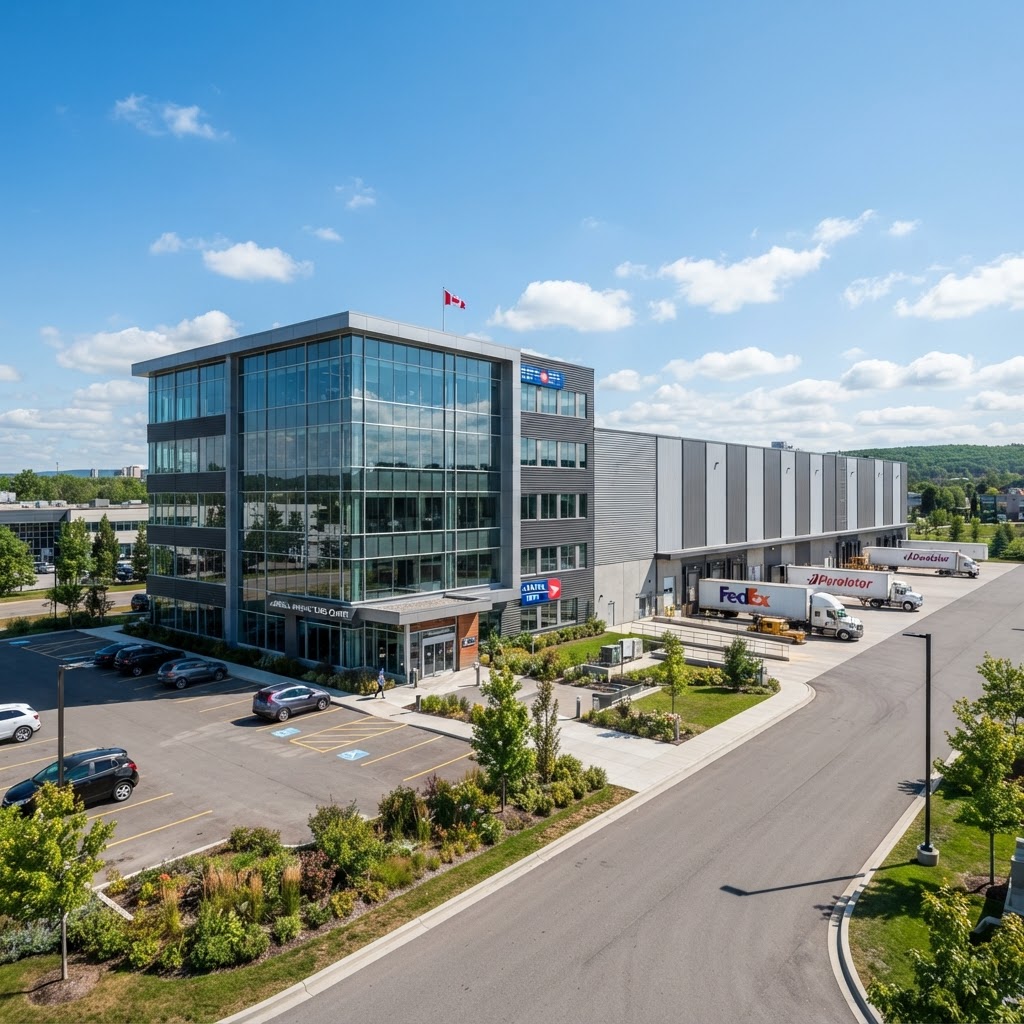
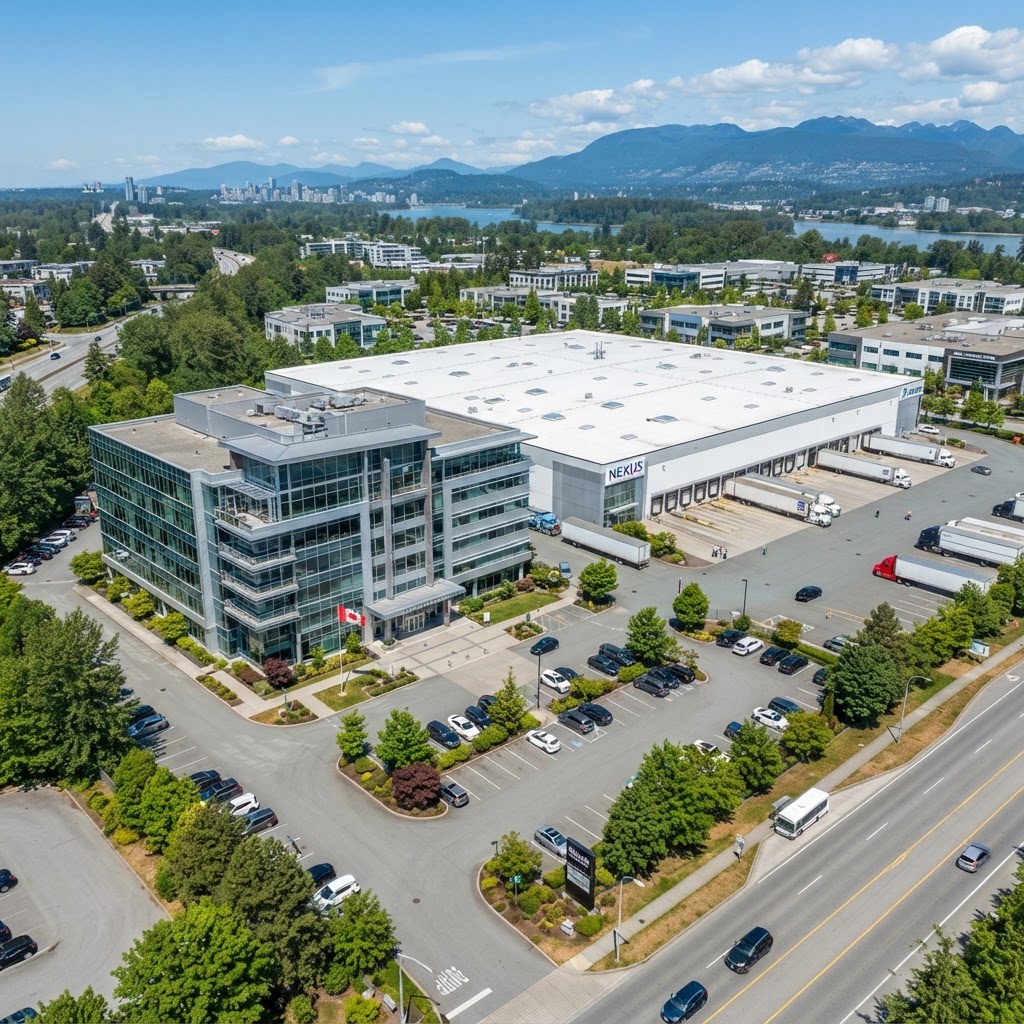
- Industrial: This is currently one of the strongest performers in Canada, driven by the rise of e-commerce. It includes warehouses, distribution centers, and manufacturing facilities. Key hubs include the Vancouver Lower Mainland and the Peel Region in Ontario.
- Retail: This sector includes everything from 'power centers' to neighborhood 'strip malls.' While traditional malls have faced challenges, grocery-anchored retail remains a staple of Canadian CRE portfolios.
- Office: Post-pandemic, the office sector in cities like Calgary, Montreal, and Toronto is undergoing a transformation. Investors are focusing on 'Class A' buildings with modern amenities or considering office-to-residential conversions.
- Multi-Family: In Canada, residential buildings with five or more units are classified as commercial. This is often seen as the safest CRE entry point due to the high demand for housing across the country. You can use our Calculators to model the cash flow of a multi-family property compared to smaller residential units.
Understanding Commercial Valuation: The Cap Rate
The most critical metric in Canadian CRE is the Capitalization Rate (Cap Rate). This is calculated by dividing the property’s Net Operating Income (NOI) by its purchase price.
- Formula: Cap Rate = NOI / Property Value
For example, if a warehouse in Edmonton generates an annual NOI of $150,000 and is priced at $3,000,000, the Cap Rate is 5%. Generally, lower Cap Rates indicate 'safer' assets in prime markets (like Toronto or Vancouver), while higher Cap Rates suggest higher risk or secondary markets (like smaller towns in Saskatchewan or Atlantic Canada).
If you need help analyzing a specific deal's numbers, our AI Advisor can provide an instant breakdown of whether the asking price aligns with current market yields.
Financing and Lending Requirements
Financing a commercial property in Canada is significantly different from a residential mortgage. Lenders focus heavily on the property's ability to service its debt.
- Loan-to-Value (LTV): While residential buyers might get 80-95% LTV, commercial lenders typically require 25% to 40% down (60-75% LTV).
- Debt Service Coverage Ratio (DSCR): Lenders look for a DSCR of at least 1.2x to 1.25x, meaning the property's income must exceed the mortgage payments by 20-25%.
- Environmental Assessments: In Canada, lenders almost always require a Phase I Environmental Site Assessment (ESA) to ensure the land isn't contaminated from previous industrial or automotive use.
Provincial Nuances and Regulations
While federal laws exist, property ownership is largely governed at the provincial level. Here are key variations to watch for:
Ontario
In Ontario, commercial transactions often involve significant Land Transfer Tax, especially in the City of Toronto, which applies its own municipal tax on top of the provincial one. Zoning is governed by the Planning Act, and investors must be wary of 'heritage' designations which can limit redevelopment.
British Columbia
B.C. has unique taxes such as the Speculation and Vacancy Tax, though these primarily target residential-zoned land. However, the Property Transfer Tax (PTT) on commercial deals can be substantial (3% on the portion of the value over $2 million).
Quebec
Quebec operates under a Civil Code system, which differs from the Common Law used in the rest of Canada. Leases and purchase agreements are often drafted in French, and the role of the Notary is more central to the closing process than in other provinces.
Alberta
Alberta offers a more business-friendly environment with no provincial sales tax (PST) and generally lower land transfer fees, making it an attractive destination for industrial and energy-sector-related commercial assets.
Due Diligence Checklist for Canadian Investors
Before removing conditions on a commercial deal, you must perform exhaustive due diligence. We recommend visiting our Resource Library for a full due diligence template, but here are the essentials:
- Rent Roll Audit: Verify all leases, security deposits, and any 'free rent' periods granted to tenants.
- TMI Analysis: In 'Triple Net' (NNN) leases, common in Canada, the tenant pays Taxes, Maintenance, and Insurance. Ensure these costs are accurately reflected and recoverable.
- Zoning Verification: Confirm the current use of the building is permitted by the municipal 'Official Plan.'
- Building Condition Assessment (BCA): Hire an engineer to inspect the roof, HVAC, and structural integrity. Large 'capital expenditures' (CapEx) can ruin your ROI.
The Role of the Lease Structure
Unlike residential tenancies, commercial leases in Canada are highly negotiable and favor the landlord. The most common structure is the Net Lease, where the tenant pays a base rent plus their proportionate share of the building's operating expenses. Understanding the 'estoppel certificate'—a document signed by tenants confirming the terms of their lease—is vital during the acquisition phase.
Conclusion
Commercial real estate offers a path to significant wealth and portfolio stability, but it requires a specialized skill set. Whether you are navigating the nuances of a lease in Montreal or analyzing industrial yields in Mississauga, the keys are data and due diligence.
For ongoing support, join our Q&A Community to connect with seasoned commercial brokers and investors. If you already own commercial assets, use our Health Check tool to see if your current financing and lease structures are optimized for today’s interest rate environment. Success in Canadian CRE is built on knowledge; keep learning, keep analyzing, and stay informed on regional shifts to capitalize on the next market cycle.
Related Articles


Related Questions
What is a good cap rate for commercial real estate in Canada?
Cap rates for commercial real estate in Canada vary by property type and location: Industrial properties: 4.5% - 6.5% i...
00What are the best cities in Canada for real estate investment in 2024?
Top Canadian Cities for Real Estate Investment 1. Calgary, Alberta - Strong population growth - Relatively affordable...
521203Can I legally rent my basement apartment in Ontario?
Short Answer Yes, but only if it meets specific legal requirements. Requirements To legally rent a basement apartmen...
47892Is this condo reserve fund healthy? How do I evaluate?
How to Evaluate a Condo Reserve Fund Step 1: Review the Reserve Fund Study Every condo corporation in Ontario must ha...
41578