Mastering Canadian Industrial Real Estate: An Investor's Guide
A comprehensive deep-dive into the Canadian industrial real estate market, covering warehouse logistics, regional provincial trends, and essential due diligence for investors.
The Evolution of Industrial Real Estate in Canada
For decades, industrial real estate was the overlooked sibling of the flashy office and retail sectors. However, the rapid rise of e-commerce and the restructuring of global supply chains have catapulted industrial assets to the forefront of Canadian real estate investment. In Canada, industrial property encompasses everything from small 'flex' spaces for local contractors to massive automated distribution centers serving national retailers.
Understanding this asset class requires a shift in perspective. Unlike residential properties where aesthetics drive value, industrial value is driven by functionality, efficiency, and location. Whether you are a seasoned investor or just starting your journey through our Buying Guides, industrial real estate offers unique stability and growth potential in the Canadian landscape.
Core Categories of Industrial Assets
1. Warehouse and Distribution
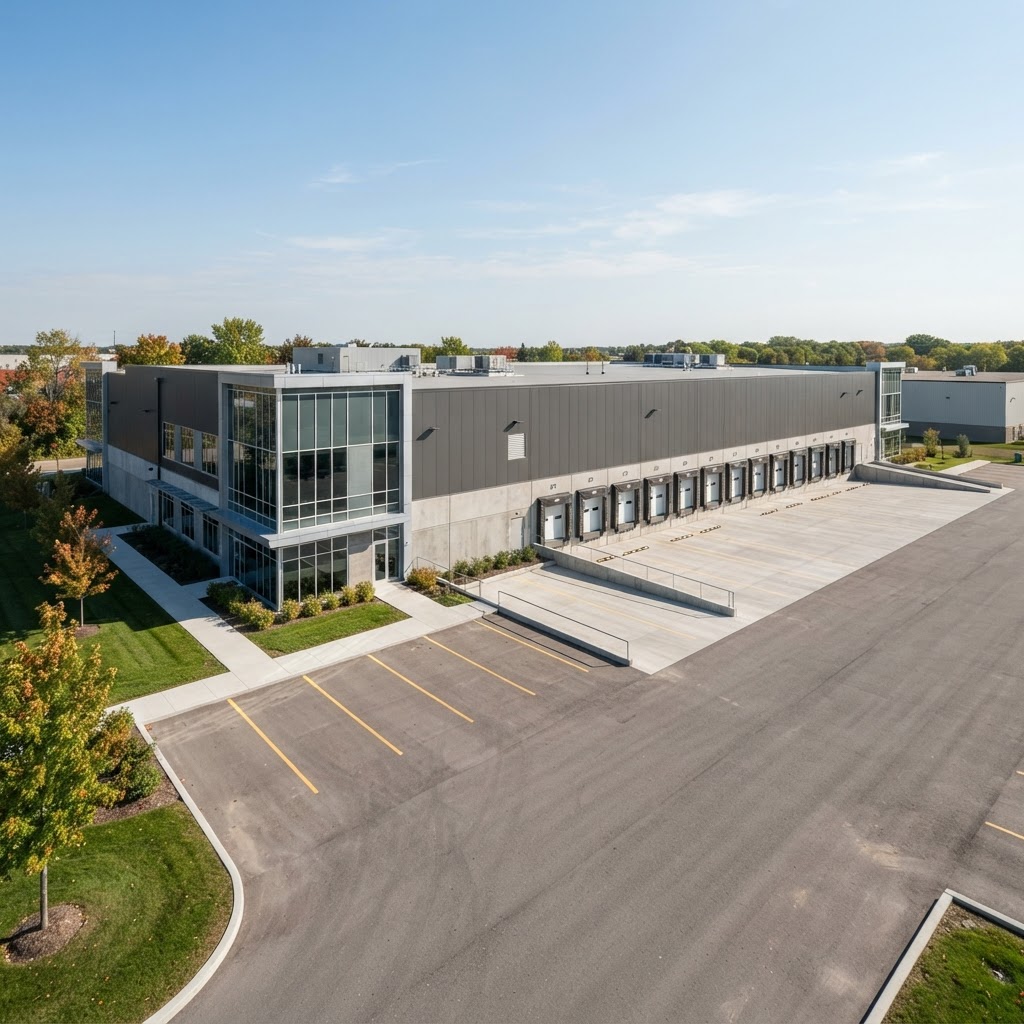
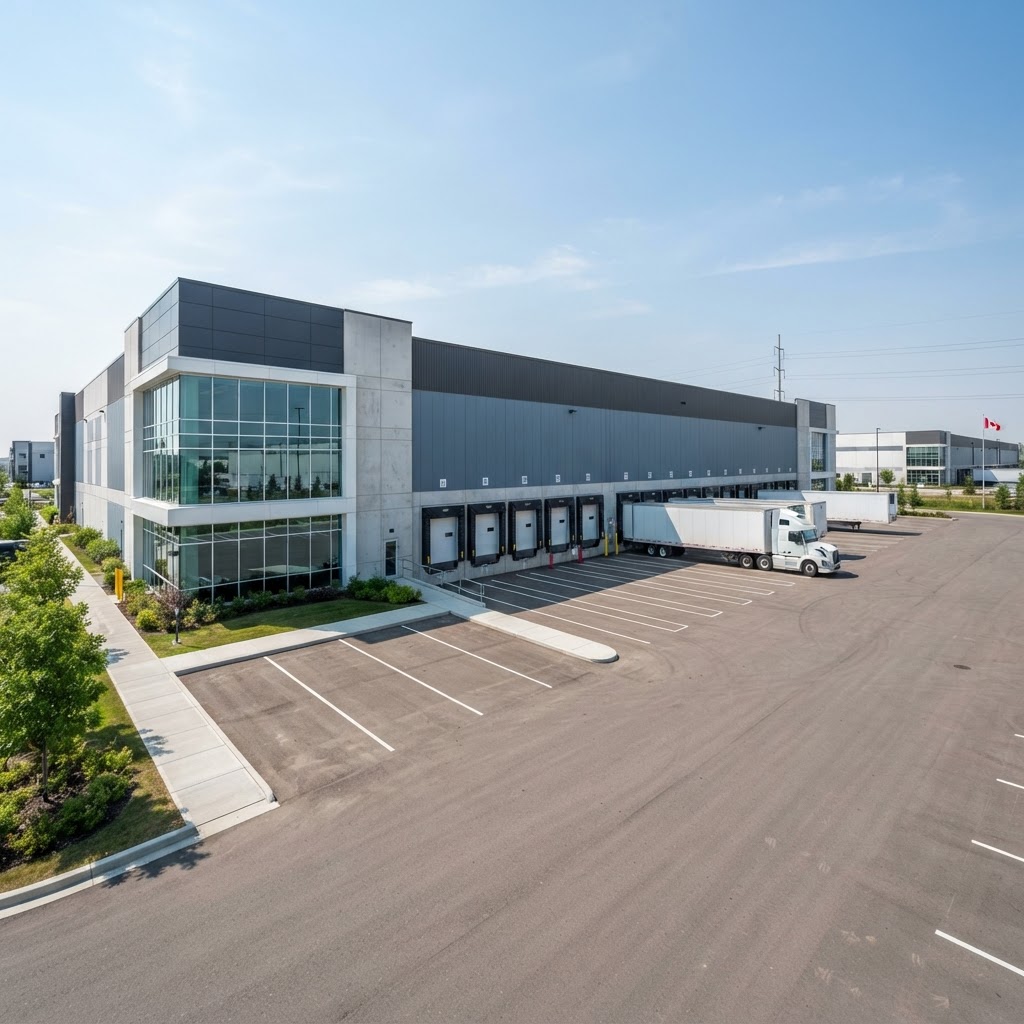
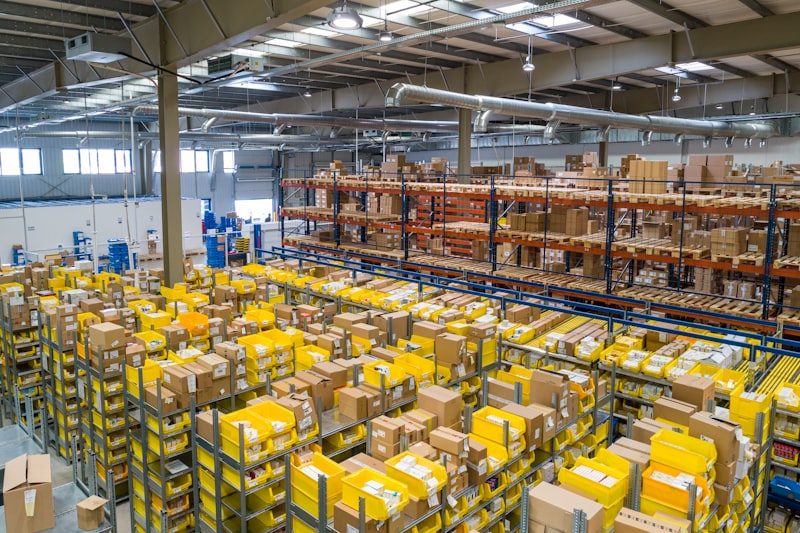
These are the most common industrial assets. They are designed for the storage and movement of goods. In Canada, 'Big Box' logistics centers are clustered around major transportation hubs like the GTA's 400-series highways or the Port of Vancouver. Key features to look for include 'clear height' (the distance from the floor to the lowest hanging ceiling attachment) and the number of loading docks.
2. Light Industrial and Flex Space
Flex buildings offer a mix of warehouse and office space, often with a 75/25 split. These are popular with small businesses, tech startups, and service providers. They are highly versatile and often easier to lease during economic shifts. If you are unsure if a specific flex property fits your portfolio, consult our AI Advisor for a tailored risk assessment.
3. Manufacturing and Heavy Industrial
These facilities are purpose-built for production. They often require significant power upgrades, specialized venting, and heavy floor load capacities. While they offer long-term stability due to the high cost for a tenant to relocate, they can be harder to re-lease if the specialized equipment isn't compatible with new tenants.
4. Cold Storage
With the boom in online grocery delivery, cold storage (refrigerated and freezer space) has become one of the most sought-after niches in Canada. These assets are expensive to build but command significantly higher rents per square foot than 'dry' warehouses.
Provincial Market Dynamics
Ontario: The Golden Horseshoe Powerhouse
Ontario, specifically the Greater Toronto Area (GTA), is the heart of Canadian industrial activity. Vacancy rates here have historically hovered at record lows. Investors should look toward the 'Inland Empire' of Canada—areas like Milton, Brampton, and even reaching toward Kitchener-Waterloo—where new supply is being developed to meet the insatiable demand of logistics giants.
British Columbia: The Land Scarcity Challenge
In the Lower Mainland (Vancouver), industrial real estate is defined by geographical constraints. Hemmed in by the mountains, the ocean, and the U.S. border, land is incredibly scarce. This has led to the emergence of multi-story industrial buildings—a concept relatively new to Canada but essential for maximizing density in high-cost environments.
Alberta: The Logistics Hub of the Prairies
Calgary and Edmonton serve as the distribution backbone for Western Canada. Alberta offers a 'business-friendly' environment with no provincial sales tax and generally lower land costs than BC or ON. The market is diversifying away from a pure reliance on the energy sector toward diversified logistics and technology centers.
Quebec: The Gateway to the East
Montreal is a critical node for trade between Canada and Europe, as well as the U.S. Eastern Seaboard. The city offers competitive electricity rates through Hydro-Québec, making it an attractive destination for data centers and heavy manufacturing.
Key Investment Metrics and the NNN Lease
Most industrial properties in Canada operate under a Triple Net (NNN) Lease. This means the tenant is responsible for the three 'nets':
- Property Taxes
- Building Insurance
- Maintenance and Operating Expenses (OpEx)
For the landlord, this creates a predictable stream of income, as the tenant bears the brunt of rising utility costs or property tax assessments. To project your potential returns on a NNN property, use our suite of Calculators to analyze Cap Rates and Net Operating Income (NOI).
Due Diligence: The 'Industrial' Way
Investing in industrial property requires a unique set of checks. You must prioritize the following:
- Environmental Site Assessments (ESA): A 'Phase I ESA' is mandatory. Since industrial sites may have housed chemicals or manufacturing waste, you must ensure there is no soil or groundwater contamination that could lead to massive liabilities. Our Health Check tool can help you identify high-level risks before you commission a formal study.
- Clear Height and Loading: Modern tenants want 32-40 foot clear heights to stack pallets vertically. Older buildings with 18-foot ceilings are often discounted.
- Zoning and Land Use: Ensure the current use is 'legal conforming.' Municipalities in Canada are strict about what types of manufacturing or storage can happen near residential zones.
- Power Supply: As automation increases, the electrical 'kVA' capacity of a building becomes a primary value driver.
Practical Tips for Success
- Focus on Infill Locations: Properties located within city limits (infill) are highly valuable for 'last-mile' delivery, as they reduce the time it takes to get packages to customers' doors.
- Verify Truck Maneuverability: Ensure the 'truck court' (the area where trailers turn) is wide enough for 53-foot trailers. If a truck can't turn, the building is useless for logistics.
- Monitor ESG Requirements: Modern institutional tenants are looking for green initiatives, such as LED lighting and solar-ready roofs. Retrofitting older buildings can be a great 'value-add' strategy.
- Network Locally: Industrial real estate is a relationship business. Join our Q&A Community to connect with other investors and property managers who understand the local nuances of each Canadian sub-market.
The Outlook for Industrial Real Estate
Despite rising interest rates, the fundamental demand for Canadian industrial space remains robust. The transition toward a more resilient, domestic-focused supply chain ensures that warehouses and production facilities will remain the 'bricks and mortar' of the digital economy. For more in-depth data and market reports, visit our Resource Library.
Industrial real estate is not just about four walls and a roof; it is about the flow of the Canadian economy. By focusing on high-quality locations and understanding the technical needs of modern tenants, you can build a resilient and high-yielding commercial portfolio.
Related Articles
Related Questions
What are the best cities in Canada for real estate investment in 2024?
Top Canadian Cities for Real Estate Investment 1. Calgary, Alberta - Strong population growth - Relatively affordable...
521203Can I legally rent my basement apartment in Ontario?
Short Answer Yes, but only if it meets specific legal requirements. Requirements To legally rent a basement apartmen...
47892Is this condo reserve fund healthy? How do I evaluate?
How to Evaluate a Condo Reserve Fund Step 1: Review the Reserve Fund Study Every condo corporation in Ontario must ha...
41578How much should I budget for annual home repairs?
The 1% Rule A widely-used guideline is to budget 1-2% of your home's value annually for maintenance and repairs. Exa...
35654