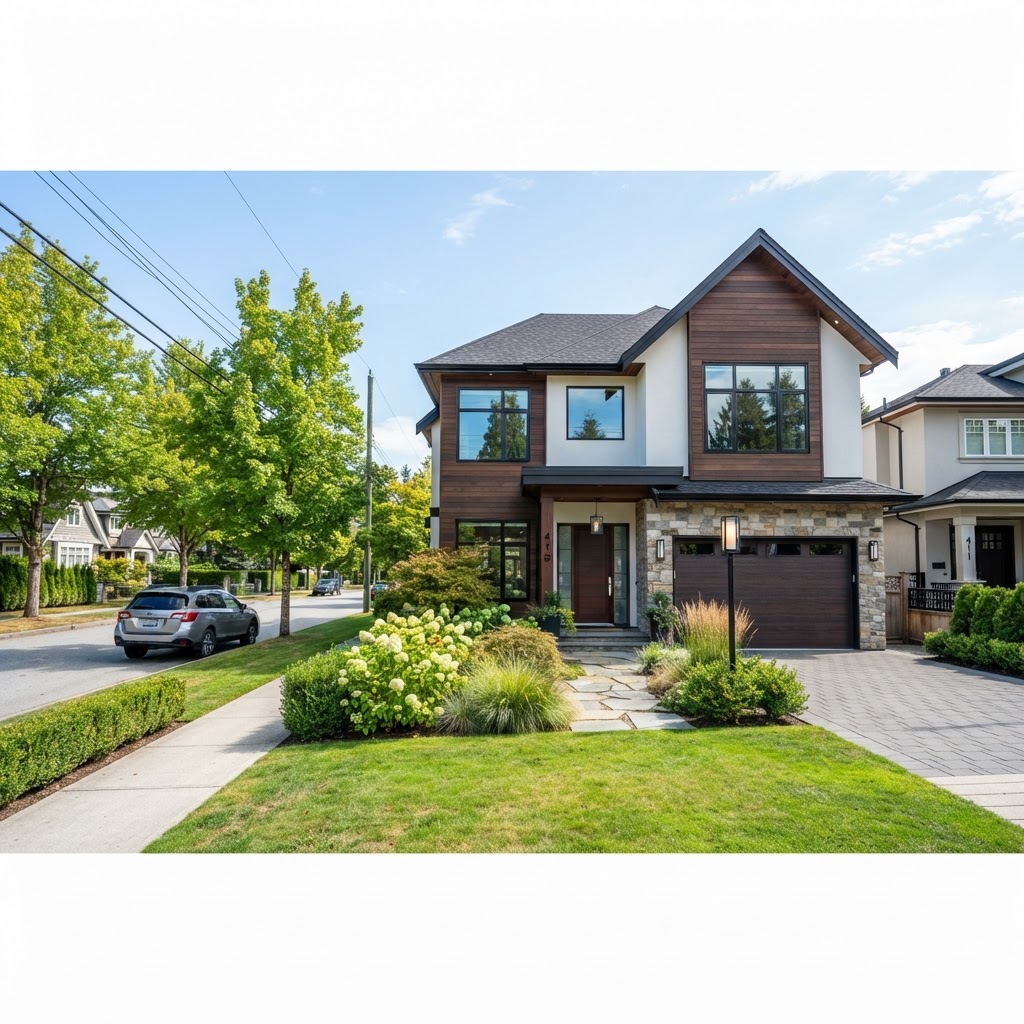
The Ultimate Canadian Homebuyer's Guide: From Pre-Approval to Closing
Navigate the Canadian real estate market with confidence using this comprehensive guide covering down payments, the mortgage stress test, and closing costs. Learn how to prepare your finances and find the right home in any province.
Understanding the Canadian Homebuying Journey
Buying a home is one of the most significant financial milestones you will achieve. Whether you are looking in a bustling metropolis or a quiet rural town, the process requires careful planning, financial discipline, and a clear understanding of local regulations. Before you start browsing listings, use our AI Advisor to assess your readiness and explore our Buying Guides for specific regional insights.
1. Financial Preparation: The Foundation
Before you look at a single property, you must understand your financial standing. Lenders look at two primary ratios to determine your borrowing power:
- Gross Debt Service (GDS) Ratio: Your monthly housing costs (mortgage, property taxes, heat) should generally not exceed 39% of your gross monthly income.
- Total Debt Service (TDS) Ratio: Your entire monthly debt load (including car loans, student loans, and credit cards) should ideally stay under 44% of your gross income.
Use our Calculators to run these numbers and see what you can realistically afford.
2. The Down Payment Rules
In Canada, your down payment requirements depend on the purchase price of the home:
- Under $500,000: Minimum 5% down.
- $500,000 to $1,499,999: 5% on the first $500,000 and 10% on the remaining balance.
- $1.5 Million and up: Minimum 20% down (uninsured mortgage).
If you put down less than 20%, you will be required to pay for mortgage loan insurance. You can leverage tax-sheltered accounts like the First Home Savings Account (FHSA) and the RRSP Home Buyers' Plan to help reach your goal faster.
3. The Mortgage Stress Test
Every mortgage applicant in Canada must pass the "stress test." You must qualify at the higher of your contract interest rate plus 2%, or a floor rate of 5.25%. This ensures you can still make payments if interest rates rise. This is often the reason buyers find their approved budget is lower than they expected.
4. Closing Costs: Don't Get Caught Off Guard
Beyond the down payment, you must budget for closing costs, which typically range from 1% to 3% of the purchase price. These include:
- Legal Fees: Hiring a lawyer or notary to handle the title transfer.
- Land Transfer Tax: Varies significantly by province and municipality (e.g., Toronto has a municipal land transfer tax in addition to the provincial one).
- Home Inspection: Essential for identifying potential structural issues.
- Title Insurance: Often required by lenders to protect against ownership disputes.
Use our Health Check to ensure you have accounted for all hidden costs before you sign an offer.
5. Finding Your Home
Once you have a pre-approval, you can start your search. Consider these factors:
- Location: Proximity to work, transit, and schools.
- Property Type: Detached, semi-detached, townhouse, or condo.
- Future Needs: Will this home suit your lifestyle in 5 to 10 years?
If you have questions about specific neighbourhoods or market trends, join our Q&A Community to connect with other buyers and experts.
6. Making an Offer
When you find the right home, your real estate agent will help you draft an Agreement of Purchase and Sale. This document will include your offer price, the closing date, and any conditions (such as financing or a home inspection). Once the seller accepts, you are on your way to closing.
Practical Tips for Success
- Get Pre-Approved Early: A pre-approval holds your interest rate for 90–120 days and shows sellers you are a serious buyer.
- Check Your Credit: Pull your credit report before applying to fix any errors that could hurt your score.
- Explore Incentives: Look for provincial programs, such as first-time buyer land transfer tax rebates, which can save you thousands.
For more detailed checklists and templates, visit our Resource Library.

Related Articles


Related Questions
Should I refinance my mortgage in 2024?
When Refinancing Makes Sense Refinancing can be beneficial if: 1. Interest Rate Savings - Your current rate is signi...
28423How Much House Can I Afford in Canada?
In Canada, you can typically afford a home priced at 4 to 5 times your gross annual household income, provided your tota...
60How Much Down Payment Do I Need in Canada?
The minimum down payment in Canada is 5% for homes under $500,000. For homes priced $500,001 to $999,999, you need 5% on...
40Fixed vs. Variable Mortgage: Which Is Better in Canada?
Fixed mortgages offer rate certainty and protection from increases, while variable mortgages historically cost less over...
30