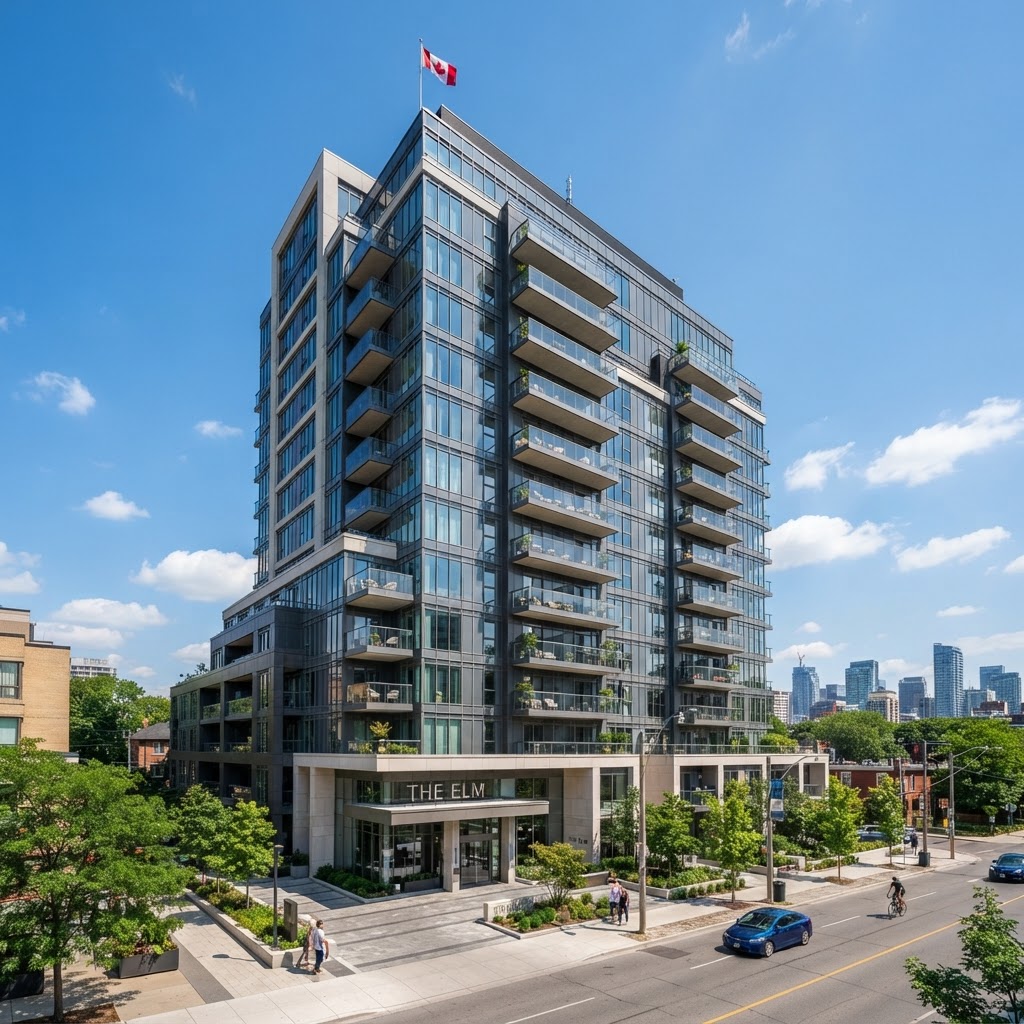
The Ultimate Guide to Buying a Condo in Canada: What You Need to Know
Navigating the Canadian condo market requires understanding legal structures, monthly maintenance fees, and the unique responsibilities of shared ownership. This guide covers everything from assessing building health to managing your investment.
Understanding Condo Ownership in Canada
Buying a condo is a popular entry point into the Canadian real estate market, offering a lifestyle that balances homeownership with reduced maintenance responsibilities. Unlike a single-family home, a condo is a shared real estate ownership structure where you own your individual unit and a percentage interest in the common elements of the building.
Before you start your search, use our AI Advisor to determine if a condo fits your long-term financial goals. You can also explore our Buying Guides for a broader look at the home-buying process.
What Exactly Are You Buying?
When you purchase a condo, you are buying more than just four walls. You are entering into a legal agreement with a condo corporation. Your ownership typically includes:
- The Unit: The interior space defined in your deed.
- Common Elements: Shared areas like hallways, lobbies, elevators, and parking garages.
- Amenities: Facilities such as gyms, pools, party rooms, and rooftop terraces.
It is vital to understand that you are also part of a community. You will have voting rights in the condo corporation, which manages the building's affairs. If you have specific questions about the legalities of these corporations, visit our Q&A Community to see what other owners are asking.
The Financial Reality: Condo Fees
One of the most critical aspects of condo ownership is the monthly maintenance fee. These fees are mandatory and cover the shared costs of operating the building.
What Do Condo Fees Cover?
- Building Maintenance: Cleaning, landscaping, and snow removal.
- Utilities: Depending on the building, this may include water, heat, or hydro.
- Reserve Fund: A critical savings account for major repairs (e.g., roof replacement, elevator upgrades).
- Insurance: Coverage for the building's common areas.
Red Flags to Watch For
- Unusually Low Fees: This may indicate that the building is under-funding its reserve fund, which could lead to a "special assessment"—a large, one-time bill for all owners to cover unexpected costs.
- Frequent Fee Hikes: Research the building's history to see if fees have spiked significantly in recent years.
Use our Calculators to factor these monthly costs into your total housing budget to ensure you remain house-poor-proof.
Due Diligence: The Status Certificate
In provinces like Ontario, the Status Certificate is the most important document you will review. It provides a snapshot of the condo corporation's financial health. If you are unsure how to interpret these documents, consider using our Health Check tool to evaluate the property's viability.
Key items to check in the status certificate include:
- Reserve Fund Balance: Is it sufficient for the building's age?
- Pending Litigation: Is the corporation being sued?
- Rules and Bylaws: Are there restrictions on pets, rentals, or renovations?
Provincial Variations
While the concept of a condo is national, the legislation governing them is provincial. For example, Manitoba operates under The Condominium Act, while Ontario has the Condominium Authority of Ontario. Always ensure you are reviewing resources specific to your province in our Resource Library.
Tips for a Successful Purchase
- Hire a Specialist: Work with a realtor who has specific experience in the condo market. They will know which buildings have poor management or structural issues.
- Review the Minutes: Ask to see the minutes from the last year of board meetings. This is where you will find out about upcoming projects or ongoing disputes between owners and management.
- Consider the Age of the Building: Newer buildings may have modern amenities but can suffer from "growing pains" or construction defects. Older buildings may have larger floor plans but higher maintenance costs due to aging infrastructure.
Conclusion
Condo living offers a unique, community-focused lifestyle that is perfect for many Canadians. By doing your homework, understanding your financial obligations, and utilizing the tools available on KnowYourProperty, you can make an informed decision that protects your investment for years to come.
Related Articles



Related Questions
Is this condo reserve fund healthy? How do I evaluate?
How to Evaluate a Condo Reserve Fund Step 1: Review the Reserve Fund Study Every condo corporation in Ontario must ha...
41578What are the best cities in Canada for real estate investment in 2024?
Top Canadian Cities for Real Estate Investment 1. Calgary, Alberta - Strong population growth - Relatively affordable...
521203Can I legally rent my basement apartment in Ontario?
Short Answer Yes, but only if it meets specific legal requirements. Requirements To legally rent a basement apartmen...
47892How much should I budget for annual home repairs?
The 1% Rule A widely-used guideline is to budget 1-2% of your home's value annually for maintenance and repairs. Exa...
35654