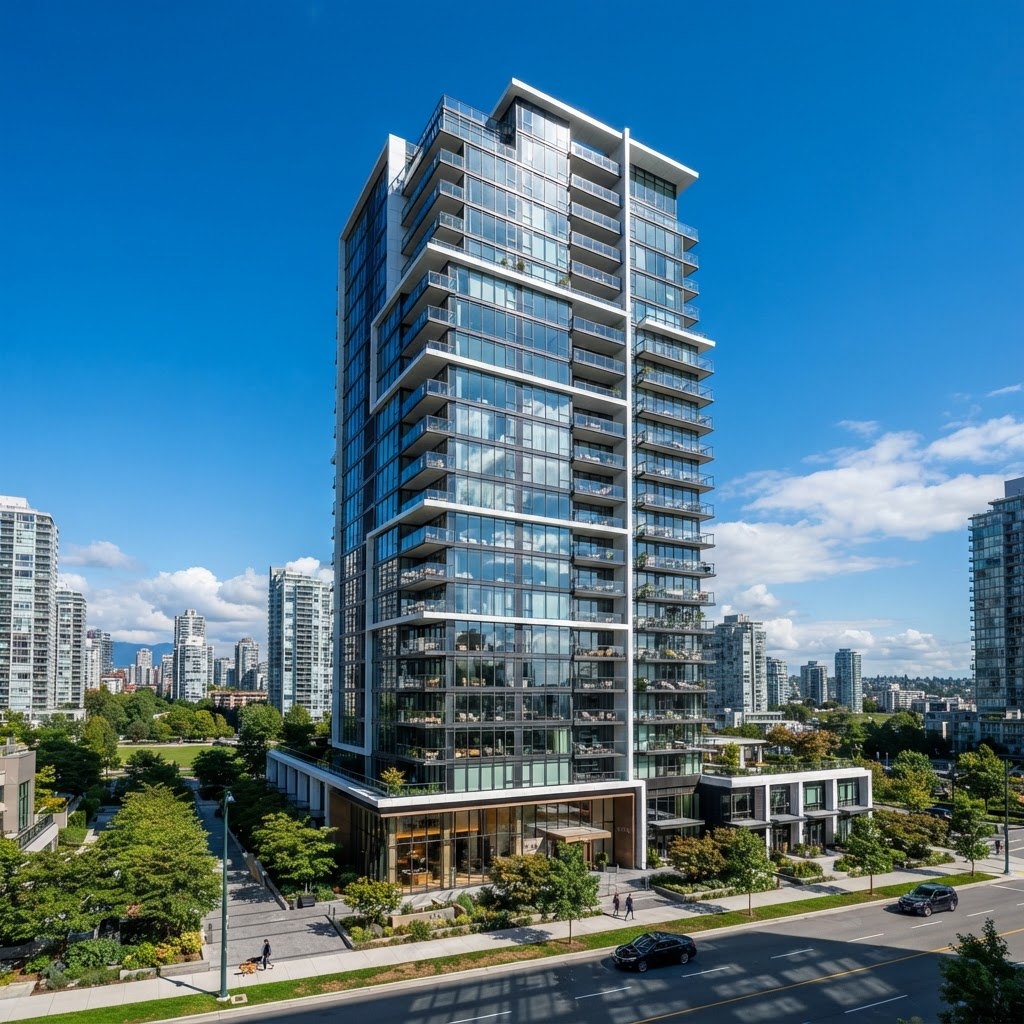
The Complete Canadian Condo Buying & Ownership Guide
Master condominium ownership across Canada with this comprehensive guide covering maintenance fees, reserve funds, legal frameworks, and document review. Learn how condo laws differ across provinces and how to protect your investment.
Purchasing a condominium is one of the most common entry points into the Canadian property market. According to Statistics Canada, roughly one in eight Canadian households lives in a condo dwelling. Whether you are seeking a high-rise home in downtown Toronto or Vancouver, or a low-rise townhouse development in Calgary or Halifax, condominium ownership operates under unique legal, operational, and financial frameworks.
Unlike traditional freehold property, buying a condo means purchasing sole ownership of an individual unit along with shared ownership and responsibility for common areas and structural elements. To navigate this ownership model effectively, explore our curated Buying Guides and take advantage of our tailored AI Advisor to clarify your path forward.
Understanding the Basics: What Do You Actually Own?
In Canadian real estate, condominium ownership is divided into two distinct components:
- Your Private Unit: The interior living space defined within the property boundaries (usually measured from the interior drywall inward).
- Common Elements (or Common Property): Hallways, elevators, parking structures, roofing, exterior grounds, mechanical systems, and recreational amenities.
Some items fall into a hybrid category known as exclusive-use common elements. These are shared property components reserved for your sole use, such as balconies, patios, assigned parking spaces, or storage lockers. While you enjoy private access, building bylaws dictate maintenance and usage rules.
Provincial Variations in Terminology and Governance
Condo legislation is regulated at the provincial level, which creates differing terms across the country:
- Ontario: Governed by the Condominium Act, 1998. The Condominium Authority of Ontario (CAO) provides education, registry services, and an online dispute tribunal.
- British Columbia: Termed Strata, governed by the Strata Property Act. Corporations are called Strata Corporations, and documents are referred to as Form B information certificates.
- Alberta: Governed by the Condominium Property Act, which establishes rules around condo boards, reserve fund studies, and fee assessments.
- Quebec: Referred to as divided co-property (copropriété divise), overseen under the Civil Code of Québec.
Condo Maintenance Fees: What Do They Cover?
Monthly maintenance fees (often referred to as condo fees or strata fees) are mandatory contributions toward the ongoing operation and future capital repairs of the building. Across Canada, fees generally range from $0.35 to over $1.10 per square foot each month, depending on location, amenities, and age of the structure.
Estimated Monthly Fees for a 600 sq ft Unit:
- Toronto: $360 – $660/month
- Vancouver: $210 – $420/month
- Calgary: $240 – $480/month
- Montreal: $150 – $330/month
Your monthly fee is split into two primary allocations:
- Operating Fund: Pays for day-to-day services such as property management, landscaping, snow removal, window cleaning, common area heating/electricity, and building insurance.
- Reserve Fund (Contingency Reserve Fund in BC): A legally mandated savings account dedicated to major capital repairs and replacements, such as roof overhauls, boiler updates, window replacements, and elevator modernisation.
To calculate how monthly maintenance fees impact your overall debt servicing and mortgage borrowing capacity, run your figures through our interactive Calculators.
Crucial Due Diligence: The Status Certificate & Strata Docs
Before finalizing the purchase of any resale condo in Canada, your purchase agreement should include a condition to review the building's legal disclosure package. In Ontario, this is known as the Status Certificate; in British Columbia, it is the Form B; in Alberta and other provinces, it is the Condominium Disclosure Package.
What to Review in the Document Package:
- Reserve Fund Balance & Study: Every Canadian province mandates that condo corporations periodically commission an engineering reserve fund study (typically every 3 to 5 years). Compare the engineer's recommended funding targets with the actual balance. An underfunded reserve fund signals a high likelihood of sudden fee spikes.
- Special Assessments: When major repairs arise and the reserve fund is insufficient, the board levies a special assessment—an extra, one-time charge distributed among unit owners. These can range from a few thousand dollars to tens of thousands per unit.
- Current and Pending Litigation: Check whether the condo corporation is involved in active lawsuits, such as construction deficiency claims or disputes with contractors.
- Bylaws and Rules: Rules govern daily life. Review regulations on pet limits, leasing restrictions, short-term rental allowances (such as Airbnb), noise restrictions, and renovation approvals.
- Insurance Deductibles: Ensure you know the corporation’s water damage and major perils deductible. You will need personal condo insurance (HO-6 policy) designed to bridge deductible assessments should an event originate in your unit.
Evaluate the long-term structural and financial standing of a target property using our diagnostic Health Check tool.
Pre-Construction vs. Resale Condos
When entering the Canadian condo market, buyers generally choose between established resale buildings and pre-construction developments.
Resale Condominiums
- Pros: Established reserve fund track record, known monthly fees, immediate move-in, and visible build quality.
- Cons: Potential wear-and-tear, older amenities, and risk of upcoming reserve fund contributions.
Pre-Construction Condominiums
- Pros: Brand-new finishes, customizable floorplans, and extended deposit structures.
- Cons: Interim occupancy fees (phantom mortgages) prior to legal registration, closing cost adjustments (development levies, utility hookup fees), and the probability that first-year condo maintenance fees will increase by 10% to 25% once initial developer estimates end.
Review common pre-construction and resale legal clauses inside our comprehensive Resource Library.
Practical Tips for Canadian Condo Buyers
- Never Skip the Lawyer Review: Have a real estate lawyer experienced in condominium law thoroughly review the disclosure package within your conditional period.
- Account for Property Taxes Separately: Condo fees do not cover municipal property taxes. Property taxes are assessed separately by your municipality.
- Confirm Parking and Locker Allocation: Verify whether parking spaces and lockers are deeded ownership, assigned exclusive-use common elements, or rented from the corporation.
- Ask Experienced Owners: If you have questions regarding specific building dynamics, post your questions inside our Q&A Community to receive insights from fellow owners and industry experts.
Condominium living offers lower exterior maintenance obligations and central urban locations, but it demands active oversight of corporate finances, bylaws, and building governance to safeguard your investment.
Related Articles


Related Questions
Is this condo reserve fund healthy? How do I evaluate?
How to Evaluate a Condo Reserve Fund Step 1: Review the Reserve Fund Study Every condo corporation in Ontario must ha...
41578What are the best cities in Canada for real estate investment in 2024?
Top Canadian Cities for Real Estate Investment 1. Calgary, Alberta - Strong population growth - Relatively affordable...
521203Can I legally rent my basement apartment in Ontario?
Short Answer Yes, but only if it meets specific legal requirements. Requirements To legally rent a basement apartmen...
47892How much should I budget for annual home repairs?
The 1% Rule A widely-used guideline is to budget 1-2% of your home's value annually for maintenance and repairs. Exa...
35654