
The Ultimate Guide to Buying and Owning a Condo in Canada
Navigate the complexities of the Canadian condominium market with ease. This comprehensive guide covers legal structures, provincial regulations, and essential financial due diligence for prospective owners.
Introduction to Condominium Ownership in Canada
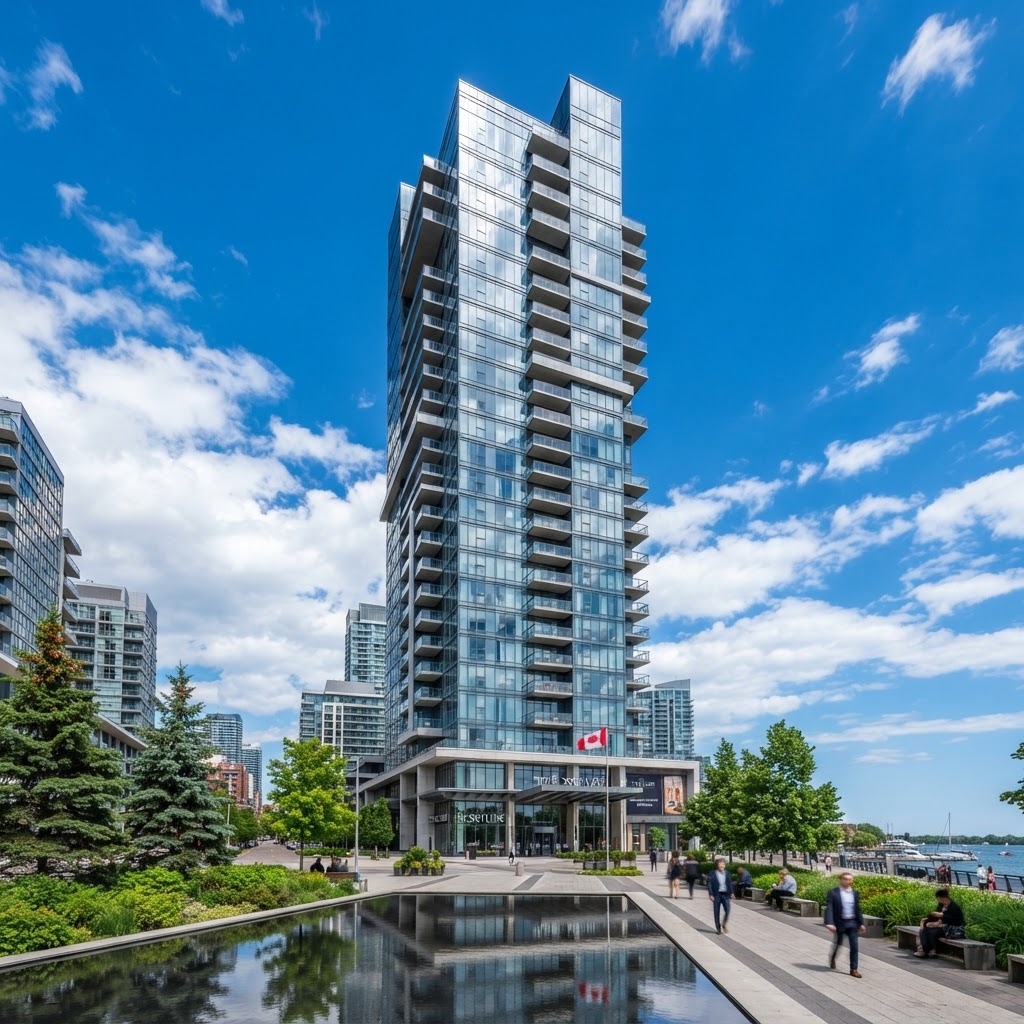
Condominiums, or 'condos,' have become a cornerstone of the Canadian real estate market, particularly in high-density urban centers like Toronto, Vancouver, and Montreal. Unlike freehold properties where you own the land and the structure, condo ownership involves a combination of individual ownership of a specific unit and shared ownership of common elements. This guide explores the intricacies of this lifestyle and the legalities you must navigate. If you are just starting your journey, our Buying Guides offer a great foundation.
The Legal Structure: How Condos Work
In Canada, a condominium is a legal entity rather than just a building type. When you purchase a unit, you automatically become a member of the Condominium Corporation (or Strata Corporation in British Columbia). This corporation is responsible for managing the property, enforcing bylaws, and maintaining common areas such as hallways, elevators, and gyms. If you are unsure about the specific legal jargon in your province, you can consult our AI Advisor for instant clarification.
Governance and the Board of Directors
Every condo is governed by a Board of Directors, elected by the unit owners. They make decisions on behalf of the corporation, ranging from hiring property managers to approving the annual budget. It is vital to understand that your autonomy as a homeowner is subject to the corporation's bylaws and rules. These can dictate everything from whether you can have pets to what color your window blinds must be. If you have a specific dispute or question about a rule, check out our Q&A Community to see how other owners have handled similar situations.
Understanding the Costs: Fees and Reserve Funds
One of the most critical aspects of condo ownership is the monthly fee. Before signing any papers, use our Calculators to ensure these fees fit within your monthly budget.
Common Expense Fees
Monthly fees cover the costs of running the building. This typically includes utilities for common areas, landscaping, snow removal, and insurance for the building's shell. A portion of these fees is also diverted into a Reserve Fund. Note that in provinces like Ontario and Alberta, fees are usually calculated based on the square footage (percentage of ownership) of your unit.
The Reserve Fund and Special Assessments
By law in most provinces, condo corporations must maintain a reserve fund to pay for major repairs and replacements of common elements, such as the roof or windows. A 'Reserve Fund Study' is conducted every few years to ensure the fund is adequately financed. If the fund is insufficient to cover an emergency repair, the corporation may levy a 'Special Assessment'—a one-time payment required from all owners. This can range from a few hundred dollars to tens of thousands. To avoid these surprises, we recommend a Health Check of the building's financials.
Provincial Variations Across Canada
Real estate is provincially regulated, meaning the rules change depending on where you are:
- Ontario: Governed by the Condominium Act. The 'Status Certificate' is the key document buyers must review. It includes the condo's declaration, bylaws, budget, and legal standing.
- British Columbia: Governed by the Strata Property Act. Units are called 'Strata Lots,' and the governing body is a 'Strata Council.' Instead of a Status Certificate, you review 'Form B' and several years of AGM minutes.
- Quebec: Governed by the Civil Code. Condos are known as 'divided co-ownerships,' and the governing body is the 'Syndicate.' Recent laws (Bill 16 and Bill 141) have introduced stricter reserve fund and insurance requirements.
- Alberta: Governed by the Condominium Property Act. Buyers must be wary of 'Estoppel Certificates' which confirm the status of fees for a specific unit.
The Crucial Due Diligence Process
Buying a condo requires more than just a home inspection. You are buying into a shared business. You must review the 'Status Certificate' (Ontario) or 'Form B' (BC) with a lawyer who specializes in condominiums. This document provides a snapshot of the corporation’s financial health, ongoing lawsuits, and upcoming fee increases.
Key Documents to Review:
- Declaration and Bylaws: The 'constitution' of the condo, outlining usage rights and restrictions.
- Financial Statements: Look for a healthy reserve fund balance and low owner arrears.
- Insurance Certificate: Ensure the corporation has adequate coverage, and know what your personal policy needs to cover (e.g., deductible buy-back insurance).
- Management Contract: Determine if the building is professionally managed or self-managed.
Tips for First-Time Condo Buyers
- Check the Amenities: More amenities (pools, 24/7 security, bowling alleys) mean higher monthly fees. Decide what you will actually use before buying.
- Review Parking and Storage: In many urban centers, parking spots are separate legal entities. Ensure the spot and locker are legally titled to you or clearly assigned in the lease.
- Understand Short-Term Rental Rules: Many buildings in Toronto and Vancouver have strict bans on Airbnb. Check these before buying if you plan to rent out your unit.
- Visit the Resource Library: We have downloadable checklists specifically for condo viewing and document review.
Pros and Cons of Condo Living
Pros:
- Lower maintenance responsibilities (no lawn mowing or snow shoveling).
- Enhanced security and concierge services.
- Access to shared amenities you might not afford on your own.
- Often located in prime, walkable urban areas.
Cons:
- Monthly fees that can increase annually.
- Less privacy and potential for noise from neighbors.
- Restriction on renovations and lifestyle choices (e.g., balcony usage).
- Risk of special assessments if the board manages funds poorly.
Conclusion
Condo ownership is an excellent entry point into the Canadian real estate market, provided you do your homework. By understanding the provincial laws, vetting the corporation's financials, and utilizing the tools available on our platform, you can find a home that offers both comfort and a sound investment. For more specific advice on the closing process, head over to our Buying Guides.

Related Articles


Related Questions
Is this condo reserve fund healthy? How do I evaluate?
How to Evaluate a Condo Reserve Fund Step 1: Review the Reserve Fund Study Every condo corporation in Ontario must ha...
41578What are the best cities in Canada for real estate investment in 2024?
Top Canadian Cities for Real Estate Investment 1. Calgary, Alberta - Strong population growth - Relatively affordable...
521203Can I legally rent my basement apartment in Ontario?
Short Answer Yes, but only if it meets specific legal requirements. Requirements To legally rent a basement apartmen...
47892How much should I budget for annual home repairs?
The 1% Rule A widely-used guideline is to budget 1-2% of your home's value annually for maintenance and repairs. Exa...
35654