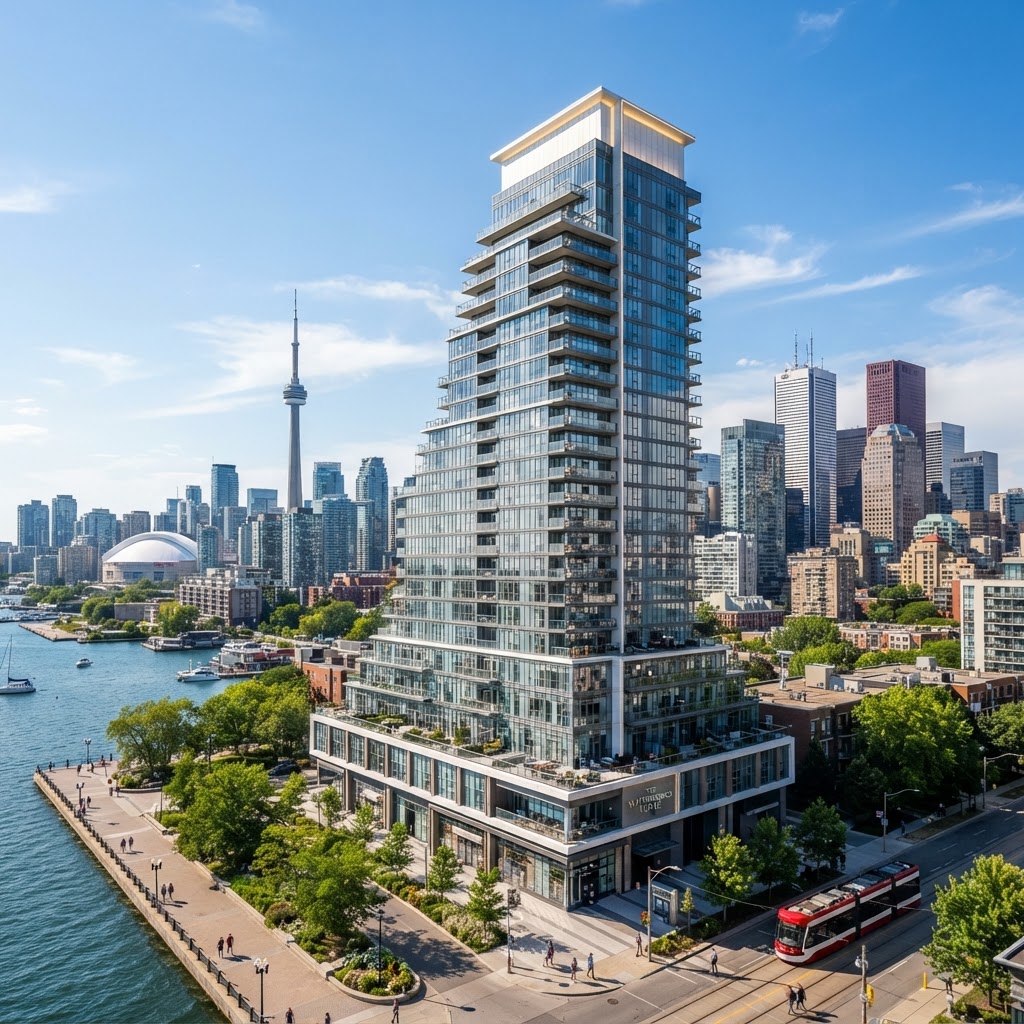
The Ultimate Guide to Buying and Owning a Condo in Ontario
Navigate the complexities of Ontario condominium ownership with this comprehensive guide. Learn about legal structures, financial responsibilities, and how to evaluate your investment effectively.
Understanding Condo Ownership in Ontario
Condominium ownership is a unique form of property tenure in Ontario. Unlike a freehold house, owning a condo means you hold title to your individual unit while sharing ownership and responsibility for common elements with other owners. Before diving into the market, it is essential to understand that a condo is a legal structure, not just a style of building.
The Legal Framework
In Ontario, the Condominium Act governs how these communities operate. When you purchase a unit, you automatically become a member of the condominium corporation. This entity is responsible for the management, maintenance, and administration of the property.
- Individual Unit: The space you own and occupy.
- Common Elements: Areas like hallways, elevators, lobbies, and recreational facilities shared by all owners.
- Exclusive Use Common Elements: Areas like balconies or parking spots that are part of the common elements but reserved for your specific use.
Financial Considerations
One of the most critical aspects of condo ownership is the monthly maintenance fee. These fees cover the operating costs of the building, including insurance, landscaping, snow removal, and staffing.
- Operating Fund: Covers day-to-day expenses.
- Reserve Fund: A mandatory savings account for major repairs and replacements (e.g., roof, windows, boiler systems).
If the reserve fund is insufficient for a major repair, the corporation may issue a 'special assessment,' requiring owners to pay a lump sum. Use our Calculators to model how these fees impact your monthly budget and long-term affordability.
The Buying Process
Buying a condo requires a different due diligence process than a detached home. You must review the 'Status Certificate,' a document that provides a snapshot of the corporation's financial and legal health.
- Review the Reserve Fund Study: Ensure the building is adequately planning for future capital expenditures.
- Check the Rules and Bylaws: Understand restrictions on pets, short-term rentals, and renovations.
- Consult Professionals: Always have a lawyer review the Status Certificate before finalizing your purchase. For more foundational knowledge, visit our Buying Guides.
Living in a Condo: Rights and Responsibilities
As an owner, you have the right to participate in the governance of your community. This includes attending Annual General Meetings (AGMs) and voting on board members.
Solving Common Issues
Disputes over noise, parking, or maintenance are common. The best approach is to:
- Review the condo declaration and rules.
- Communicate directly with the board or property manager.
- Seek mediation if necessary.
If you are unsure about your specific situation, our AI Advisor can help clarify your rights under the Ontario Condominium Act. You can also connect with others in our Q&A Community to see how neighbors have handled similar challenges.
Maintaining Your Investment
Your condo is a significant asset. Regular maintenance of your unit—such as checking plumbing fixtures and ensuring proper ventilation—prevents damage that could affect your unit and the common elements. If you are concerned about the condition of a potential purchase, consider a Health Check to identify red flags early.
For further reading on property management and legislative updates, explore our Resource Library. Whether you are a first-time buyer or an experienced investor, staying informed is the best way to protect your equity in the Ontario market.

Related Articles


Related Questions
Is this condo reserve fund healthy? How do I evaluate?
How to Evaluate a Condo Reserve Fund Step 1: Review the Reserve Fund Study Every condo corporation in Ontario must ha...
41578Can I legally rent my basement apartment in Ontario?
Short Answer Yes, but only if it meets specific legal requirements. Requirements To legally rent a basement apartmen...
47892What are the best cities in Canada for real estate investment in 2024?
Top Canadian Cities for Real Estate Investment 1. Calgary, Alberta - Strong population growth - Relatively affordable...
521203How much should I budget for annual home repairs?
The 1% Rule A widely-used guideline is to budget 1-2% of your home's value annually for maintenance and repairs. Exa...
35654