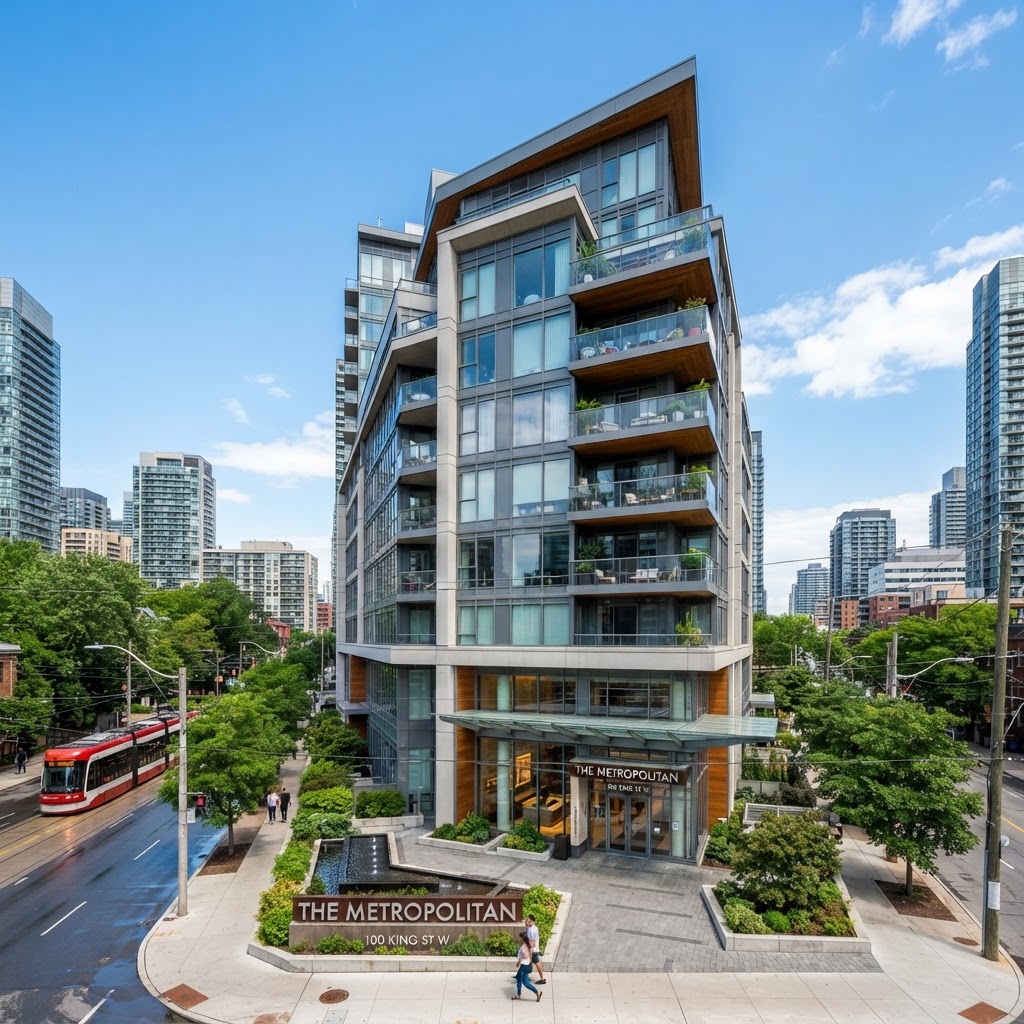
The Ultimate Guide to Buying and Owning a Condo in Canada
Buying a condo in Canada is a unique investment that combines private ownership with shared community responsibility. This guide covers everything from understanding condo fees and reserve funds to navigating provincial laws and governing documents.
Understanding Condo Ownership in Canada
When you purchase a condominium, you are entering into a unique form of property ownership. Unlike a detached home, you are buying two things simultaneously: a private unit that you own outright, and a proportionate share of the building's common elements—such as hallways, elevators, parking garages, and recreational amenities. Because you are part of a collective, your experience is governed by a corporation and specific provincial legislation.
Before diving into the market, it is essential to use our Calculators to understand how monthly condo fees will impact your total cost of ownership, and consult our Buying Guides for a broader perspective on the Canadian real estate landscape.
The Legal Framework: Provincial Variations
Condo laws are not national; they are provincial. Every province has its own legislation that dictates how corporations are managed, how reserve funds are maintained, and what documents you are entitled to review.
- Ontario: Governed by the Condominium Act, 1998. Buyers rely on a 'Status Certificate' to understand the financial health of the corporation.
- British Columbia: Governed by the Strata Property Act. Buyers typically review a 'Form B Information Certificate'.
- Alberta: Governed by the Condominium Property Act. Buyers look for an 'Estoppel Certificate'.
- Quebec: Governed by the Civil Code, which utilizes a 'Declaration of Co-ownership'.
Regardless of your province, you should always perform a Health Check on the building's financial documents before finalizing an offer.
Key Financial Components
1. Condo Fees (Common Expenses)
These monthly payments cover the operating costs of the building, including insurance, cleaning, snow removal, and management. In some buildings, they may also include utilities like heat or water. Always ask how much these fees have increased over the last three years. A sudden spike or a long period of stagnation can be a red flag.
2. The Reserve Fund
Every province requires a reserve fund (or contingency fund) to pay for major capital repairs like roof replacements or elevator upgrades. A reserve fund study is conducted periodically to ensure the corporation is saving enough money. If the fund is empty, you may face a 'special assessment'—a one-time charge to all owners to cover a major repair bill.
Documents You Must Review
Before removing conditions on your purchase, you must demand the following documents from the seller or the property manager:
- Governing Documents: The declaration, bylaws, and rules. These dictate everything from pet restrictions to short-term rental bans.
- Financial Statements: The last two years of audited statements and the current year's budget.
- Reserve Fund Study: The most recent report to see if the building is adequately funded for future repairs.
- Board Minutes: The last 12 months of meeting minutes are often the most revealing documents, as they highlight ongoing disputes, maintenance issues, or upcoming special assessments.
- Insurance Certificate: Confirm the building's deductible. If a pipe bursts in your unit, you may be responsible for the corporation's insurance deductible.
Living in a Condo: Rights and Responsibilities
As a condo owner, you have specific rights, such as the ability to vote at owners' meetings and request to review corporate records. However, you also have strict obligations:
- Compliance: You must follow the bylaws and rules, which can restrict noise, smoking, and balcony usage.
- Maintenance: You are responsible for the upkeep of your private unit.
- Communication: You must stay informed by reading information certificates and financial updates provided by the board.
If you are unsure about a specific rule or your rights as an owner, visit our Q&A Community to see what other owners are discussing, or use our AI Advisor for personalized guidance on your specific situation.
Practical Tips for Success
- Check the Unit Factor: In provinces like Alberta, your 'unit factor' determines your voting power and your share of common expenses. Ensure you understand how yours is calculated.
- Review Rental Rules: If you plan to rent out your unit, check the bylaws first. Some buildings have caps on the number of units that can be leased.
- Don't Ignore the 'Red Flags': If the seller refuses to provide board minutes or if the reserve fund is significantly underfunded, proceed with extreme caution.
For more in-depth resources, visit our Resource Library to download checklists and templates for your condo purchase journey.

Related Articles
Related Questions
Is this condo reserve fund healthy? How do I evaluate?
How to Evaluate a Condo Reserve Fund Step 1: Review the Reserve Fund Study Every condo corporation in Ontario must ha...
41578What are the best cities in Canada for real estate investment in 2024?
Top Canadian Cities for Real Estate Investment 1. Calgary, Alberta - Strong population growth - Relatively affordable...
521203Can I legally rent my basement apartment in Ontario?
Short Answer Yes, but only if it meets specific legal requirements. Requirements To legally rent a basement apartmen...
47892How much should I budget for annual home repairs?
The 1% Rule A widely-used guideline is to budget 1-2% of your home's value annually for maintenance and repairs. Exa...
35654